
Plants
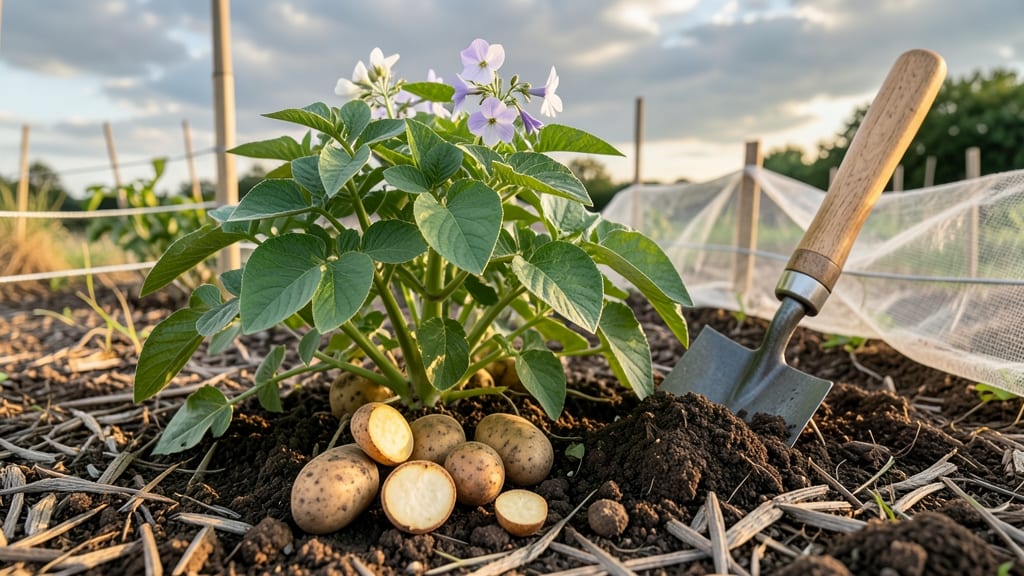
Knowing when to plant potatoes in Zone 7 can mean the difference between a thriving garden and wasted effort—especially when unpredictable spring weather throws a curveball. With the right timing, you’ll enjoy crisp, homegrown 🥔 by summer, but plant too early or late, and you risk stunted growth or disease.
Zone 7’s mild winters and warm summers demand precision, so let’s break down the science behind soil temperatures, frost dates, and variety choices to ensure your potatoes flourish.
The key to success starts with soil temperature—potatoes sprout best when the ground reaches a steady 40°F to 50°F, usually in late February or March for most of Zone 7.
Planting too soon in cold soil delays growth, while waiting too long risks heat stress or early flowering, which reduces tuber size. Whether you’re in northern or southern Zone 7, understanding these thresholds will help you avoid common mistakes and maximize your harvest.
Beyond timing, choosing the right potato variety makes all the difference. Early-season types like Yukon Gold thrive when planted in March, while late varieties such as Red Pontiac do better in May.
Each has unique strengths—some resist pests, others store longer—and matching them to your planting window ensures a reliable yield. Let’s dive into the proven strategies that work for Zone 7 gardeners, from soil prep to harvest-ready tips.
Ready to grow potatoes that rival your favorite farm stand? I’ll walk you through the exact steps to time your planting perfectly, so you can enjoy fresh, homegrown 🥔 from late spring through summer—without the guesswork. Let’s get started.
Zone 7 potato planting calendar: soil temps & frost dates for perfect timing
Timing your potato planting in Zone 7 isn't just about guessing when spring arrives—it's about understanding soil temperatures, frost dates, and how your specific sub-zone (northern vs. southern) affects growth.
Unlike cooler climates, Zone 7’s mild winters and warm summers create a narrow window where potatoes thrive without stress. Miss this window, and you risk frost damage, disease outbreaks, or stunted tubers. Let’s break down the science so you can plant with confidence.
First, know that potatoes need cool soil (between 40°F–50°F) to sprout properly. If you plant too early, cold soil slows germination, leaving your potatoes vulnerable to pests and rot. Plant too late, and summer heat triggers premature flowering, reducing tuber size.
Zone 7’s last frost dates vary dramatically—northern areas (like Baltimore) may see frost until April 15, while southern areas (like Atlanta) can be frost-free by March 15. This means your planting window shifts by 4–6 weeks depending on location.
Here’s the golden rule: Plant 2–4 weeks before your last frost date for early varieties, or 4–6 weeks before for late-season types. This timing ensures tubers form before summer heat stress kicks in.
For example, if your last frost is April 15, aim to plant early varieties in March and late varieties in early April. Use a soil thermometer to confirm temps—don’t rely on air temperature alone.
Key Factors for Zone 7 Potato Planting
| Factor | Critical Threshold | Zone 7 Timeline (Avg.) | Why It Matters |
|---|---|---|---|
| Soil Temperature | 40°F–50°F | Mid-March to early April (northern Zone 7); February–March (southern Zone 7) | Potatoes sprout best in cool but thawed soil; too cold delays growth; too warm risks disease. |
| Last Frost Date | After April 15 (northern) or March 15 (southern) | Plant 2–4 weeks before last frost for early varieties; 4–6 weeks before for late varieties | Frost kills emerging sprouts; timing ensures tubers form before heat stress. |
| Daylength Sensitivity | Short-day varieties (e.g., Yukon Gold) vs. long-day (e.g., Red Pontiac) | Adjust planting by 2–3 weeks based on variety | Long-day potatoes need cooler temps to tuberize; short-day types tolerate Zone 7’s longer summers. |
| Harvest Window | 90–120 days after planting | Late June to early September | Early varieties mature faster but yield less; late varieties store better but risk heat stress. |
Zone 7’s regional variations can shift your planting window by weeks. For example, in northern Zone 7 (e.g., Pittsburgh), wait until mid-April to plant late varieties, while in southern Zone 7 (e.g., Raleigh), you might start as early as February.
Check your local frost maps (like the National Weather Service) and adjust accordingly. Pro tip: If you’re unsure, err on the side of planting later—potatoes tolerate cooler temps better than heat.
Another critical factor is daylength sensitivity. Long-day varieties (like Red Pontiac) need 14+ hours of daylight to tuberize, while short-day varieties (like Yukon Gold) adapt better to Zone 7’s longer summers.
Plant long-day types in early spring to align with cooler temps, and short-day types in late spring for a summer harvest. This tweak can double your yield by matching varieties to your climate.
Harvest timing in Zone 7 is just as critical as planting. Most potatoes take 90–120 days to mature, meaning late June to early September harvests are typical. Early varieties (like Kennebec) can be ready by June, while late varieties (like Russet) may need until September.
Harvest too early, and tubers won
Best potato varieties for Zone 7: matching types to your planting schedule
Choosing the right potato varieties for Zone 7 is half the battle—your planting schedule, soil conditions, and even your family’s taste preferences all play a role. Unlike cooler climates, Zone 7’s mild winters and long growing season demand varieties that balance early maturity, heat tolerance, and disease resistance.
Whether you’re planting in March for a spring harvest or May for late-season storage, selecting the wrong type can mean smaller yields or wasted effort.
Zone 7 gardeners face unique challenges: humid summers that invite blight, clay-heavy soils that need proper drainage, and variable frost dates that shift between northern and southern sub-zones. The key is matching your planting window with a variety that thrives under those conditions.
For example, short-day potatoes (like Yukon Gold) perform best when planted in early spring, while long-day varieties (like Red Pontiac) handle Zone 7’s longer days if planted later.
Below, I’ve ranked the top 5 potato varieties for Zone 7 gardeners, tailored to your planting schedule, flavor preferences, and common pests. Each variety comes with pro tips to maximize your harvest and avoid Zone 7-specific pitfalls like scab, blight, or hollow heart.
Whether you’re growing for fresh eating, storage, or container gardens, this list ensures you pick winners for your specific timing.
For Zone 7 gardeners, timing your planting with the right variety is the secret to avoiding common pitfalls like premature flowering or disease pressure. If you’re planting in early spring (March), prioritize short-day varieties like Yukon Gold—they mature quickly before summer heat sets in.
Conversely, late spring plantings (May) work best with long-day types like Red Pontiac, which handle Zone 7’s longer days without sacrificing yield.
Pro Tip: To stretch your harvest season, try succession planting—start with early varieties in March, then follow up with mid-season types (like Kennebec) in April, and finish with late varieties (like Russet) in May. This strategy ensures a continuous supply of fresh potatoes from June through September, even in Zone 7’s unpredictable climate.