
Companion Plants
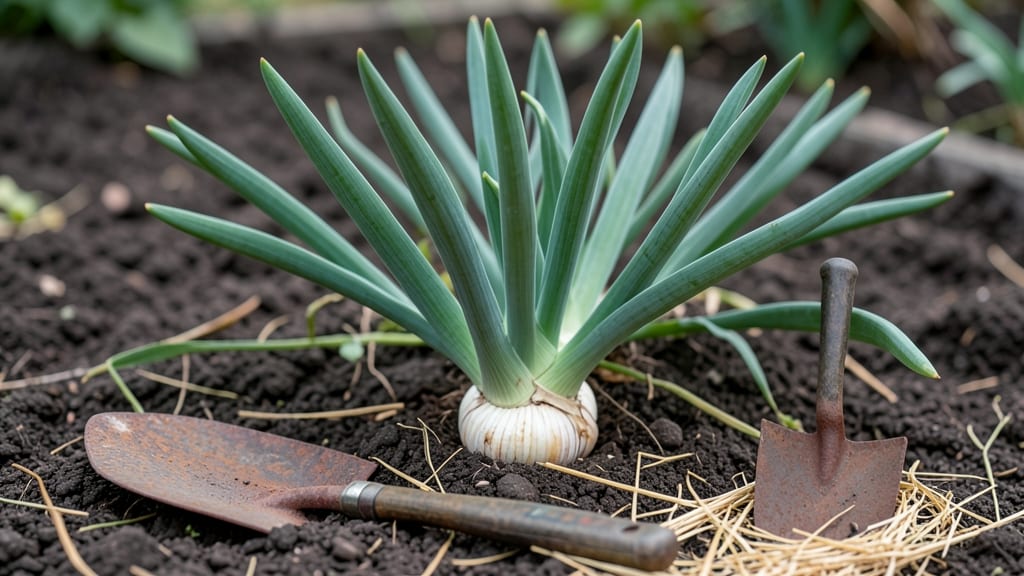
If you're wondering "when do I plant garlic in Melbourne", the answer is simpler than you might think—but timing it right is the secret to growing strong, flavorful bulbs that outshine store-bought varieties.
Melbourne’s mild autumn climate creates the perfect window for planting 🧄 garlic between March and May, when soil temperatures are cool but not freezing.
Why does this matter? Because garlic thrives when planted in autumn, allowing its roots to establish before winter dormancy. In Melbourne’s 9b zone, this means avoiding the heat of summer while still giving your cloves enough time to mature before harvest season.
Get it wrong, and you might end up with weak growth or even no bulbs at all.
Don’t worry if you’re new to gardening—this guide breaks down exactly what you need to know. From preparing your soil to choosing the right cloves, I’ll walk you through each step so you can confidently plant garlic that grows big and bold.
Let’s make sure your first harvest is your best harvest.
Whether you’re a seasoned gardener or just starting out, getting the timing right is the key to success. With the right preparation, Melbourne’s climate can help you grow garlic that tastes even better than what you’d find in any grocery store. Ready to dig in?
Best autumn planting months for garlic in Melbourne’s climate zones
Melbourne’s autumn months (March to May) are the golden window for planting garlic cloves, but the exact timing depends on your local microclimate. Coastal areas like St Kilda and Brighton stay milder longer, while inland spots like Melton or Sunbury cool down faster.
Planting too early risks premature sprouting, while waiting too long may stunt bulb formation before winter dormancy.
For hardneck varieties (like Purple Stripe), aim for late March to early April—this gives roots time to establish before soil temperatures drop below 10°C (50°F). Softneck garlic (such as Artichoke) is slightly more flexible, tolerating April to early May plantings.
Both types need 6-8 weeks of cool weather before dormancy to form plump bulbs.
Soil temperature is your best guide: use a soil thermometer to confirm it’s consistently below 20°C (68°F) at 10cm depth. If you’re unsure, late March is a safe default for most Melbourne gardens.
Remember, garlic grows best when it experiences cold winter temps (even if Melbourne rarely freezes), so don’t rush the process.
🌱
| Climate Zone | Ideal Planting Window | Soil Temp Goal | Key Consideration |
|---|---|---|---|
| Coastal (e.g., St Kilda, Brighton) | Late March – Early April | 15–20°C (59–68°F) | Warmer soils; risk of early sprouting |
| Inner City (e.g., Fitzroy, Carlton) | Early April – Mid-April | 10–15°C (50–59°F) | Moderate temps; balanced growth |
| Inland (e.g., Melton, Sunbury) | Mid-April – Early May | 8–12°C (46–54°F) | Cooler soils; slower sprouting |
| High Elevation (e.g., Dandenongs) | Late April – Early May | 6–10°C (43–50°F) | Coldest soils; plant later |
🌡️ Pro Tip: Use a soil thermometer to avoid guesswork—garlic roots thrive at 10–15°C (50–59°F).
If you miss the ideal window, don’t panic—June plantings can still work, especially for softneck varieties. However, bulbs may be smaller or less flavorful due to reduced cool-season growth.
For hardnecks, late plantings risk poor scape development (the curly garlic shoots), which are prized for their mild, sweet flavor.
Melbourne’s unpredictable autumn rains can also affect timing. If your soil is waterlogged or too wet, delay planting until the ground dries slightly—garlic hates soggy roots. A quick soil moisture test (dig a small hole; if it takes 10 minutes to dry, wait a few days).
For container gardening, timing is even more critical since pots heat up faster in Melbourne’s sunny patches. Plant 1-2 weeks earlier (early to mid-March) to compensate for warmer root zones. Use black plastic pots or dark-colored containers to absorb heat and extend the planting window slightly.
🌿
Once planted, mulch heavily with straw or lucerne hay to insulate soil temps and retain moisture—this is especially important if you’re planting in May, when cooler nights arrive. A 5cm mulch layer can add 2–3°C warmth to the soil, mimicking the ideal autumn conditions for bulb formation.
Finally, keep an eye on local weather forecasts for cold snaps. While Melbourne rarely freezes, sub-zero temps (unlikely but possible in June) can
Best autumn planting months for garlic in Melbourne’s climate zones
Melbourne’s cool autumn months—March, April, and May—are the golden window for planting garlic. This timing aligns perfectly with Melbourne’s USDA Zone 9b climate, where soil temperatures stay ideal for root development without the risk of summer heat stress.
Planting too early (February) may expose cloves to unpredictable heat waves, while delaying past May could stunt growth before winter dormancy.
Why these months? March kicks off the ideal window when daytime temperatures hover around 18–22°C (64–72°F), perfect for clove sprouting. By April and May, garlic roots establish deeply before Melbourne’s mild winters set in, ensuring robust bulb formation by harvest season.
Coastal areas like St Kilda may push planting slightly later (early June) due to cooler microclimates, while inland regions like Sunbury can start as early as late February.
Here’s how Melbourne’s microclimates affect your planting schedule:
Pro tip: Use a soil thermometer to confirm temperatures between 10–15°C (50–59°F). If soil is warmer, delay planting to prevent cloves from sprouting too quickly. Melbourne’s unpredictable weather means checking forecasts for cold snaps after planting—garlic can tolerate light frosts but not deep freezes.
For hardneck varieties (like Purple Stripe), aim for early April to maximize scape production. Softneck types (e.g., Artichoke) are more flexible but still thrive when planted by mid-May. Both types need 6–8 weeks of cool weather before winter dormancy to form bulbs.
Miss the autumn window? Don’t panic—June is a secondary option, but growth may slow, and bulbs could be smaller. Prioritize autumn planting for the best results, and remember: patience pays off with garlic. Your harvest in October–December will be worth the wait!