
Container Gardens
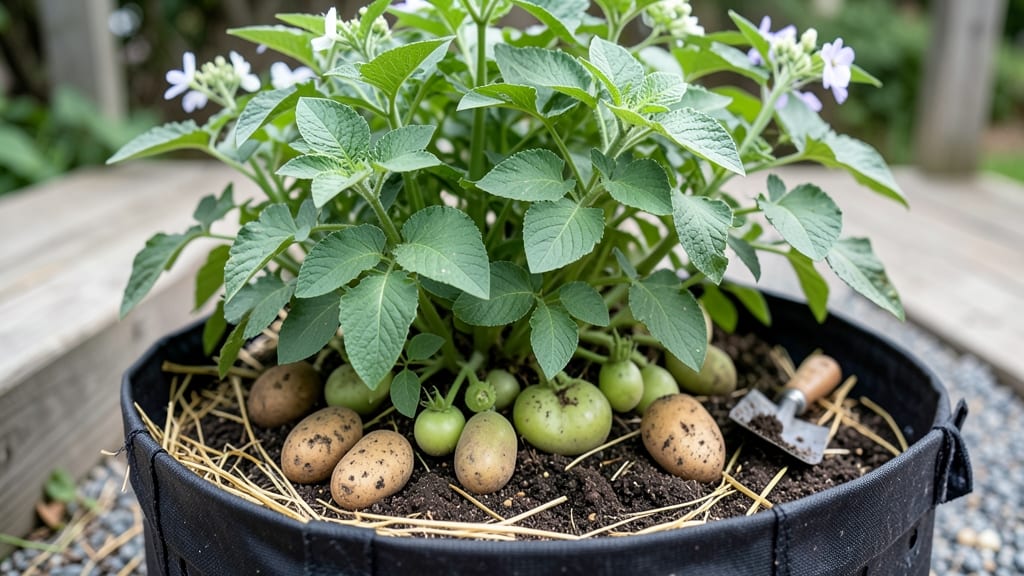
If you're wondering "when do I plant potatoes in containers", the answer depends on your last frost date—but here's the secret: you can start 2-4 weeks before that date, even in cooler zones like 6a. The key is choosing cold-hardy varieties like Yukon Gold or Red Pontiac that thrive in containers while avoiding frost damage.
Container gardening changes the game for potatoes because they grow underground, but timing still matters. Plant too early, and cold soil slows sprouting; too late, and your harvest shrinks.
I'll walk you through the exact weeks before last frost for your zone, plus container prep tips to ensure your 🥔 plants grow strong and productive.
Most gardeners assume potatoes need warm soil, but the truth is they handle cooler temps better than many veggies. That means you can get a head start in early spring—just make sure your containers have drainage and depth (at least 12 inches for most varieties).
We'll cover how to adjust timing based on container size and your local climate.
Ready to grow potatoes in containers without the guesswork? You'll discover the best cold-hardy varieties, how to time your planting for maximum yield, and pro tricks to avoid common mistakes. Let's turn your balcony or patio into a potato patch!
Best time to plant potatoes in containers by USDA zone
Timing your potato planting in containers depends on two critical factors: your USDA hardiness zone and soil temperature. Unlike in-ground potatoes, containers warm up faster—meaning you can plant 2-4 weeks earlier than ground planting guidelines suggest.
For most zones, aim to plant when soil reaches 45°F (7°C) and nighttime temperatures stay above 40°F (4°C). This ensures your tubers sprout without frost damage.
Containers also allow for extended harvest windows. In warmer zones (8-10), you can plant a second crop in late summer for a fall harvest. Just use black plastic mulch to warm the soil faster.
For cooler zones (3-6), focus on early spring planting and cold-hardy varieties like Yukon Gold or Red Pontiac.
Here’s how container depth affects timing: 12-inch containers need planting 4-6 weeks before last frost (shallow root zone warms quickly), while 24-inch containers can wait until 2-3 weeks before last frost (deeper soil retains warmth). Always use containers with drainage holes—waterlogged tubers rot faster than frost-killed sprouts.
For zone 6a (like much of the Midwest), plant 2-4 weeks after last frost—typically mid-April to early May. If you’re in doubt, use biodegradable planting pots to delay planting until soil warms. These pots protect sprouts from late frosts while still allowing roots to establish.
In warmer zones (9-10), you can plant year-round with proper soil warming. Use black containers or clear plastic wrap to raise soil temps. For example, in zone 10, I’ve successfully grown Red LaSoda potatoes in December by placing containers in full sun and watering daily.
Always check your local frost dates—they can vary by 2-3 weeks even within the same zone. For instance, Denver (zone 5b) might have last frost on May 15, while Boulder (zone 6a) could be May 22. Planting too early risks frost damage; too late delays harvest.
One mistake I see often? Planting too deep in containers. While in-ground potatoes need 12 inches of soil, containers should have only 6-8 inches of planting depth—extra soil traps moisture and causes rot. Use lightweight potting mix with perlite to improve drainage.
Finally, chit your seed potatoes 4-6 weeks before planting. Place them in a bright, cool spot (60°F/15°C) with stems facing up. This jumpstarts growth, giving you a 2-week head start on the season. Just avoid direct sunlight—it turns sprouts green and toxic.
🌿
Best time to plant potatoes in containers by USDA zone
Timing your potato planting in containers depends on your USDA zone and last frost date—but containers actually give you a slight advantage. Since they warm up faster than in-ground soil, you can plant 2-4 weeks earlier than traditional gardeners.
The key is ensuring soil temps stay above 45°F (7°C) for consistent sprouting.
For USDA zones 3-5, aim to plant 3-5 weeks before your last frost date. In zones 6-8, you can start 2-4 weeks before frost. Containers with 12+ inches of depth help retain warmth, but always check soil temps with a thermometer if unsure.
My rule of thumb? Plant when daytime temps consistently reach 50°F (10°C).
Here’s how container depth affects timing: 12-inch containers need slightly earlier planting (since roots have less room), while 18-24-inch containers can wait until 1-2 weeks later because they hold moisture and warmth better. Cold-hardy varieties like Red Pontiac or Yukon Gold tolerate cooler soils, giving you flexibility.
| USDA Zone | Weeks Before Last Frost | Soil Temp Requirement | Container Depth Needed | Best Varieties |
|---|---|---|---|---|
| 3-4 | 5-7 weeks | 45-50°F (7-10°C) | 18-24 inches | Red Pontiac, Kennebec |
| 5-6 | 3-5 weeks | 50-55°F (10-13°C) | 12-18 inches | Yukon Gold, Fingerlings |
| 7-8 | 2-4 weeks | 55-60°F (13-16°C) | 12 inches (minimum) | Adirondack Blue, Russian Banana |
| 9-10 | 1-2 weeks | 60°F+ (16°C+) | 10-12 inches | Sweet Potato (Ipomoea) |
Pro tip: If you’re in zone 6a or colder, use black containers to absorb heat faster. I’ve seen a 10-15°F (5-8°C) difference in soil temps between black and white containers on sunny days.
For zones 7-10, you can even plant in late winter (Feb-March) if you use a cold frame or grow light.
Always chit your seed potatoes (sprout them indoors) 2-3 weeks before planting to jumpstart growth. This is especially helpful in shorter growing seasons (zones 3-5). Just place them near a sunny window or under grow lights until 1-inch sprouts form.
Containers dry out faster than ground soil, so water deeply 2-3 times per week once sprouts appear.
Remember: Potatoes hate heat during tuber formation. If your area gets 90°F+ (32°C+) temps in late spring, opt for shade cloth or plant early-maturing varieties like ‘Early Rose’ to avoid stress. The goal is cool soil and warm vines—containers help regulate this balance better than in-ground beds.