
Plants
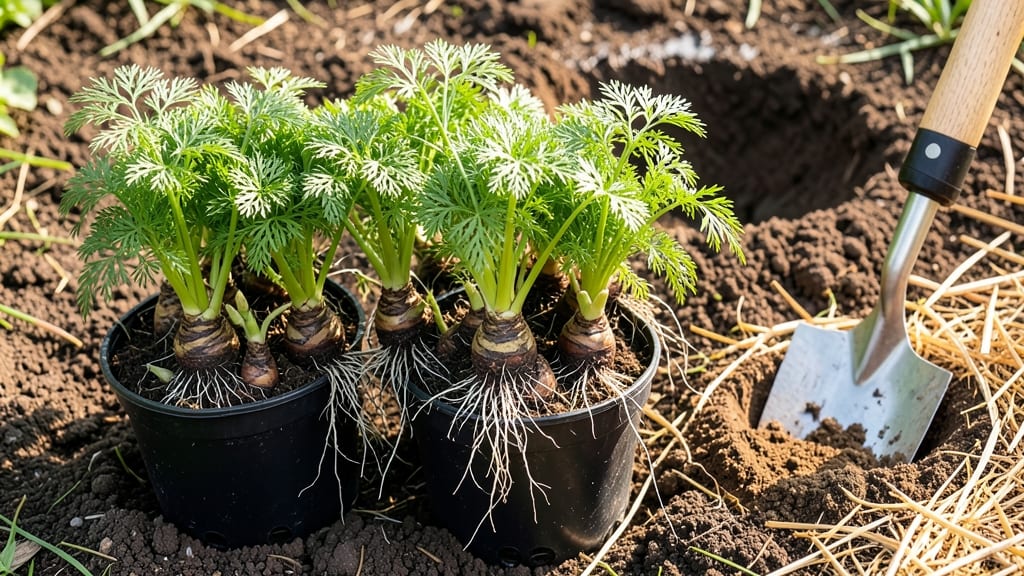
Planting asparagus in Michigan isn't just about timing—it's about unlocking a decades-long harvest of tender spears that outperform most garden crops. With the right window, your 🌱 crowns will thrive in Zone 5b-6a's cool climate, delivering fresh harvests from June to July for years to come.
Most gardeners assume spring planting is the only option, but Michigan's unpredictable frosts actually give you two prime opportunities: early spring or carefully timed fall. The key lies in soil temperatures and frost dates—getting it wrong can mean wasted crowns or stunted growth.
Let me show you exactly when to plant for maximum success.
Whether you're a first-time gardener or a seasoned green thumb, understanding Michigan's microclimates makes all the difference. From the Upper Peninsula's cooler springs to southern regions with earlier last frosts, I'll break down the optimal 4-6 week planting window before your area's average April 15 frost date.
Ready to transform your garden into a perennial asparagus powerhouse? We'll cover soil prep, frost protection, and even whether fall planting could give you an edge. Your future harvests depend on getting this right—let's dig in.
Best planting windows for asparagus in Michigan’s Zone 5-6 climate
Michigan’s Zone 5-6 climate demands precise timing for asparagus success. Unlike warm-weather crops, asparagus thrives when planted 4-6 weeks before the last frost date, which typically falls around April 15 in most regions.
This window—late March to early April—balances soil warmth and frost risk, giving roots time to establish before summer heat arrives.
For Michigan gardeners, the Upper Peninsula’s cooler microclimate may shift planting to mid-April, while the Lower Peninsula’s southern areas can start as early as late March. Always check your local USDA frost maps or use the Michigan State University Extension’s frost calendar for precision.
Soil temperature is critical: asparagus crowns need 40°F+ soil to sprout. In Michigan, this usually aligns with late March to early April, but cold snaps can delay germination. Use a soil thermometer to confirm readiness—planting too early risks frost damage to tender shoots.
While spring planting is ideal, some gardeners attempt fall planting (6-8 weeks before first frost). However, Michigan’s unpredictable winters make this riskier. We’ll dive deeper into fall strategies later, but spring remains the safest bet for beginners.
🌱 Asparagus Planting Timeline for Michigan
| Stage | Action | Michigan Timing | Key Notes |
|---|---|---|---|
| Soil Prep | Amend soil with compost | Fall or early spring | pH 6.5-7.5, well-drained |
| Plant Crowns | 6-8" deep, 12-18" apart | Late March–early April | 4-6 weeks before last frost |
| First Frost Risk | Protect with row covers | April–May | Use if temps drop below 28°F |
| Harvest Readiness | Spears 6-8" tall | Year 3: June–July | Wait 2-3 years for first harvest |
| Fertilize | High-phosphorus (5-10-10) | Early spring & summer | Every 4-6 weeks |
📅 Pro Tip: Mark your last frost date and count backward 6 weeks for planting.
Michigan’s regional variations matter: the Thumb area (Zone 6a) can plant 2 weeks earlier than the Upper Peninsula (Zone 4b). For example, Battle Creek may start in late March, while Marquette should wait until mid-April.
If you’re new to asparagus, prioritize soil drainage—Michigan’s clay-heavy soils often need amendments like sand or compost to prevent rot. Test your soil’s pH (6.5-7.5) and add lime if needed. Poor drainage is the #1 reason asparagus fails in Michigan gardens.
For organic gardeners, consider cover crops like clover in fall to improve soil structure. This also helps suppress weeds, which compete aggressively with asparagus crowns. Mulch with straw or wood chips after planting to retain moisture and regulate soil temperature.
Remember: asparagus is a perennial with a 3-year payoff. Planting at the right time ensures 20+ years of harvests, making the upfront effort worthwhile. Start small with 3-5 crowns to test your timing before expanding.
🌱 For extra confidence, join the Michigan Asparagus Growers Association or check their local frost date maps—their data is tailored to regional microclimates. Happy planting!
How to prepare asparagus crowns for Michigan’s unpredictable spring weather
Michigan’s spring weather can be a gardeners’ nightmare—one day warm enough to plant, the next a surprise frost. Asparagus crowns need consistent soil temperatures (at least 40°F) to establish roots, but Michigan’s Zone 5b-6a often swings between freezing and thawing.
Without proper prep, your 1-year-old crowns could rot or struggle to grow.
I’ve planted asparagus in northern Michigan for years, and the difference between a thriving patch and a failed attempt comes down to two key steps: hardening crowns before planting and protecting them from late frosts.
Let’s break down how to give your asparagus the best possible start in Michigan’s fickle climate.
First, harden your crowns for 1-2 weeks before planting. Store them in a cool, dark place (like a garage) at 35-40°F to mimic Michigan’s early spring conditions.
This helps them adapt to temperature shifts and reduces shock when planted. For early March plantings (common in southern Michigan), start hardening in late February.
Next, amend your soil with compost and sand to improve drainage—Michigan’s clay-heavy soils can suffocate asparagus roots. Aim for a pH of 6.5-7.5 and mix in aged manure for nutrients.
Asparagus hates soggy soil, so raised beds are ideal if your yard drains poorly. Test your soil in fall if possible, so you’re ready when planting season arrives.
For emergency frost protection, keep row covers or black plastic mulch on hand. If temps drop below 28°F after planting, cover the crowns immediately. In northern Michigan, where frosts linger longer, I’ve even used straw mulch (6 inches deep) to insulate the soil.
Water deeply before cold snaps—hydrated roots survive better.
Finally, plant at the right depth: 6-8 inches deep with 12-18 inches between crowns. Deeper planting protects against frost heave, while proper spacing prevents crowding.
In southern Michigan, you can plant as early as late March, but wait until mid-April in the Upper Peninsula to avoid frost damage.
With these steps, your asparagus will establish roots quickly and start producing spears in 2-3 years. Michigan’s climate is challenging, but with the right prep, you’ll beat the odds—and enjoy fresh harvests for decades. 🌱