
Plants
Planting bulbs in the South might seem straightforward, but timing is everything—and getting it wrong could mean fewer blooms or none at all. Unlike northern gardens where early fall is the golden window, Southern climates demand a more strategic approach, balancing heat, humidity, and unpredictable winters.
I’ve learned the hard way that rushing bulbs into the ground too soon can lead to rot, while waiting too late risks weak roots before winter sets in.
The key lies in understanding your specific USDA zone, soil temperatures, and even the types of bulbs you’re planting—some thrive in the South’s warmth while others need a little extra care.
In this guide, I’ll break down the exact planting months for your region, which bulbs perform best (and which to avoid), and how to prep your soil for success.
Whether you’re a first-time gardener or a seasoned green thumb, these tips will help you grow bold, vibrant blooms that outshine the rest.
Let’s dig in—literally—and turn your fall planting into a spring spectacle you’ll be proud of.
Best fall planting months for Southern bulbs by USDA zone
Planting bulbs in the South isn’t a one-size-fits-all task. Your USDA zone (7 through 10) dictates the perfect window—typically 6-8 weeks before your first frost, but with Southern twists. Unlike Northern gardeners, you’ll work with milder winters and warmer soil temperatures that can extend your planting window.
For example, in Zone 7, aim for early October, while Zone 10 gardeners might plant as late as December. The key? Soil temps should dip to 60°F but not freeze.
Most classic bulbs—like tulips, daffodils, and hyacinths—follow this rule, but Southern humidity and occasional winter rains add complexity. Planting too early can lead to rot-prone bulbs, while waiting too long risks weak root establishment before winter.
My rule of thumb? Start when daytime highs hover around 75°F and nights drop to 55°F. This balance ensures roots grow but tops stay dormant.
Here’s where it gets tricky: Southern gardeners often face unpredictable frost dates. Unlike the North, where frost is a sure bet, the South might see a light freeze in Zone 7 or none at all in Zone 10.
Use your local cooperative extension service for frost data, but always add a 30-day buffer for safety. For instance, if your first frost is November 15, plant by October 1—not October 15.
One common mistake? Assuming all bulbs thrive in Southern heat. While daffodils and alliums handle humidity well, tulips may struggle in Zone 10’s mild winters.
If you’re in a warmer zone, opt for heat-tolerant varieties like Darwin Hybrid tulips or rain lilies, which bloom even without a cold snap. Always check the bulb’s hardiness zone range before buying.
Pro tip: Test your soil’s moisture retention before planting. Southern clay soils can suffocate bulbs, while sandy soils dry out too fast. Amend with compost or perlite to improve drainage.
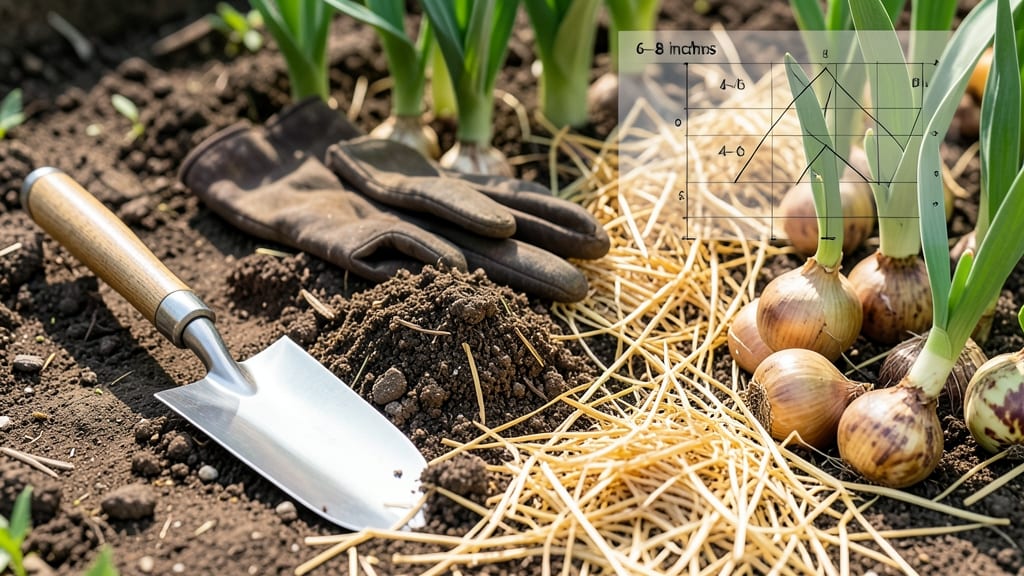
Plant bulbs 3x as deep as their diameter—so a 2-inch bulb goes 6 inches deep. This depth helps them escape winter rains while still accessing moisture.
Let’s talk bulb types. Traditional spring-flowering bulbs (like crocuses and snowdrops) need chill hours, but Southern winters often lack the 40°F or below threshold. If you’re in Zone 9 or 10, consider pre-chilling bulbs in your fridge for 6-8 weeks before planting.
This mimics winter conditions and triggers blooming. Store them in a paper bag in the crisper drawer (not the freezer!) for best results.
Now, let’s address the elephant in the garden: humidity. Southern air is thick with moisture, which can lead to bulb rot if planted too early. Wait until soil is cool but not soggy—stick your finger in the ground; if it’s damp but not wet, it’s time.
Mulch heavily with straw or pine needles after planting to insulate bulbs and regulate moisture. Avoid leaves, which can compact and trap water.
Here’s a zone-by-zone breakdown to simplify your planning. Whether you’re in Houston (Zone 9) or Atlanta (Zone 7b), these guidelines will help you nail your planting window. Remember, the goal is to give bulbs enough time to root before winter while avoiding the heat of late summer.