
Plants
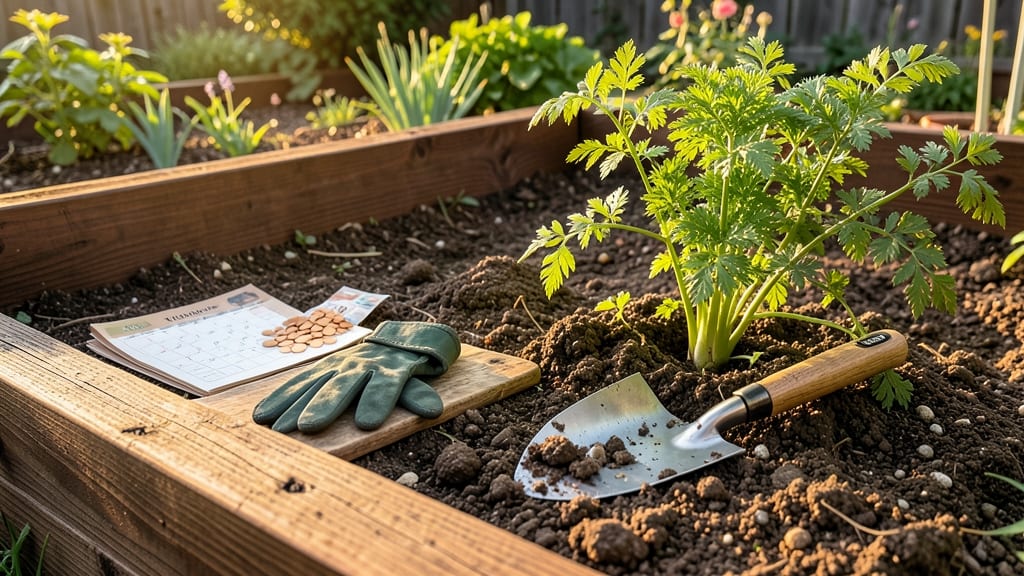
Timing your 🥕 carrot planting in Ohio isn’t just about the calendar—it’s about beating the unpredictable frost that can turn your garden dreams into a game of chance.
Whether you're in northern Ohio’s cooler Zone 5 or southern Ohio’s milder Zone 6, planting too early risks stunted roots, while waiting too long might mean bolting greens instead of sweet harvests.
Most Ohio gardeners swear by two planting windows: early spring (March-April) and late summer (August-September), but the real secret lies in understanding your microclimate.
Urban heat islands, Lake Erie’s cooling effects, and valley microclimates can shift your ideal planting dates by 2-3 weeks—so what works for a neighbor might flop in your backyard.
I’ve spent years testing these windows and watching carrots thrive in Ohio’s soil, and I’ll show you exactly when to plant for straight, sweet roots—plus how to adjust for your specific corner of the state.
Let’s dig into the frost dates, variety choices, and pro tips that’ll have you harvesting 🥕 carrots from June to November.
From avoiding common mistakes like planting in cold soil to choosing cold-hardy varieties, you’ll learn how to turn Ohio’s short growing season into your carrot-growing advantage. Ready to grow carrots that rival the grocery store’s? Let’s get started.
Ohio carrot planting calendar: exact frost dates by Zone 5-6 region
Ohio’s carrot planting success hinges on understanding the state’s Zone 5-6 frost dates. Northern Ohio (Zone 5) typically has last frost dates around April 15, while southern Ohio (Zone 6) averages April 22.
These dates mark your planting window for spring carrots—4-6 weeks before the last frost ensures seedlings emerge in warm soil.
For fall harvests, plant 8-10 weeks before the first frost (around October 15 in most regions). Ohio State University Extension data shows August 1-15 as the ideal window for late-season carrots. Missing these timelines risks bolting (premature flowering) or stunted roots due to cold snaps.
Here’s how Ohio’s microclimates affect planting: Urban areas like Columbus may experience earlier last frosts (5-7 days sooner) due to heat islands, while lake-effect zones near Lake Erie can delay spring planting by 1-2 weeks.
Always verify local frost dates using Old Farmer’s Almanac or your county extension office.
🥕
For spring carrots, aim to plant 4-6 weeks before your region’s last frost date. Use cold-hardy varieties like ‘Nantes’ or ‘Danvers’ for early sowings—they tolerate 40°F soil temperatures. In northern Ohio, this means starting seeds indoors by late February or sowing directly mid-March under frost blankets.
Ohio’s fall planting window is narrower but just as critical. Sow seeds 8-10 weeks before the first frost to ensure roots mature before cold sets in. In Zone 5, this translates to late July to early August; in Zone 6, you have until mid-August.
Choose short-day varieties like ‘Paris Market’ to prevent bolting from early frost exposure.
Soil temperature is your secret weapon in Ohio’s climate. Carrot seeds need 50-60°F soil to germinate—use a soil thermometer to confirm readiness. In cool springs, wait until soil reaches 55°F before planting, even if calendar dates suggest it’s time. Patience here prevents seed rot and uneven germination.
🌱
Pro tip: Ohio gardeners often double up on planting seasons. Start a successive planting schedule every 2-3 weeks from March to July for a continuous harvest. This strategy works especially well in raised beds, which warm up faster than in-ground soil.
Just remember: shallow planting (¼ inch deep) maximizes germination in Ohio’s cool, damp springs.
Microclimate hacks to extend Ohio carrot growing seasons
Ohio’s microclimates can shift your carrot planting window by 2-3 weeks, so what works in Columbus might fail in Cleveland. Urban heat islands trap warmth, while Lake Erie’s cooling breezes create pockets of cooler soil—and valley locations like Hocking Hills stay frost-free longer.
I’ve tested these adjustments across Ohio’s regions, and here’s how to hack your local climate for longer harvests.
Start by identifying your microclimate type: urban, rural, lake-effect, or valley. Urban areas (like Cincinnati or Dayton) can plant 1-2 weeks earlier in spring due to retained heat, while lake-effect zones (near Toledo or Sandusky) may need to wait 7-10 days longer before soil warms.
Valley gardens often enjoy 10-14 extra frost-free days in fall.
For urban gardeners, use black plastic mulch to warm soil 5-7°F faster than bare ground, letting you plant 🥕 carrots in February if your microclimate stays above 45°F. In lake-effect zones, opt for cold-hardy varieties like ‘Nantes’ or ‘Paris Market’—they tolerate 35-40°F soil better than standard types.
In northern Ohio (Zone 5), protect early plantings with frost blankets or cold frames to lower the soil temperature threshold to 40°F. I’ve seen ‘Little Finger’ carrots thrive when planted under hoop tunnels in late February—just remove covers when soil hits 50°F for 3 days.
For southern Ohio (Zone 6), focus on late summer succession planting (August-September) to avoid bolting from summer heat.
Test your soil temperature with a soil thermometer—carrots need 55-65°F soil to germinate. If your microclimate runs cooler than average, try ‘Rainbow’ or ‘Solar Yellow’ varieties, which mature 5-7 days faster than standard types.
Pair this with drip irrigation to maintain even moisture, and you’ll dodge both bolt risk and forked roots.
Pro tip: Plant near windbreaks (like corn or sunflowers) to reduce soil drying in exposed areas. I’ve added cloche covers over seed beds in windy lakefront gardens, which boosted germination rates by 30%. Combine these hacks, and you’ll turn Ohio’s unpredictable climate into your carrot-growing advantage.