
Plants
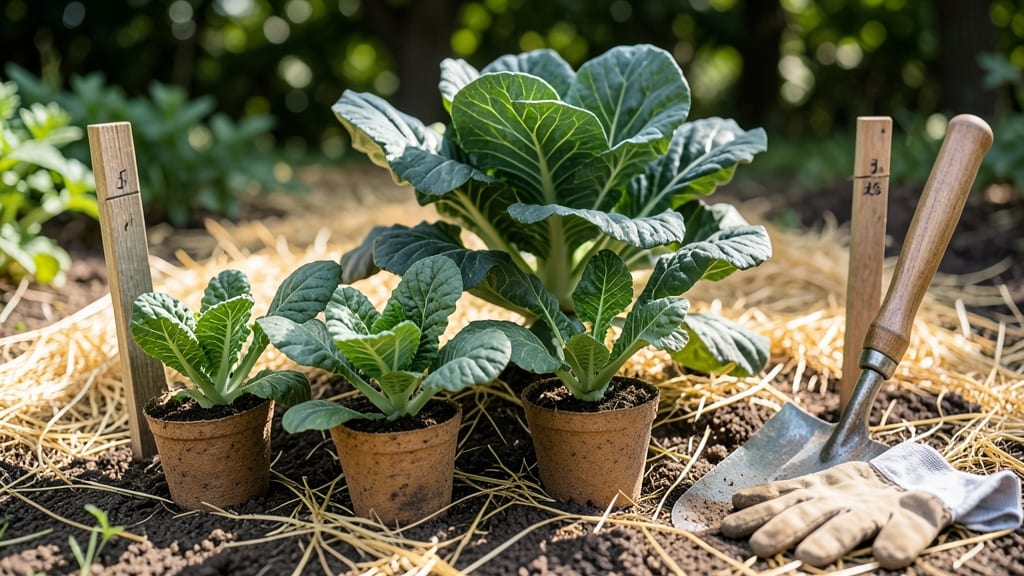
If you’ve ever wondered when do you plant collards in Georgia to avoid summer bolting or winter wilting, timing is everything. Planting collards in Georgia isn’t just about throwing seeds in the dirt—it’s about working with the state’s 215 frost-free days to avoid heat stress or early frost.
The ideal windows are late February for spring harvests or August-September for fall’s crisp greens, but get it wrong, and you’ll end up with bitter leaves or stunted growth.
Georgia’s 7b-8b climate gives you two chances to grow collards successfully. Spring plantings need to beat the March 15 frost date, while fall plantings should start 6-8 weeks before November 15 to mature before cold sets in.
The trick? Balance heat tolerance and frost resistance to keep your greens thriving all season long.
But here’s the secret most gardeners miss: succession planting. By staggering your collard seeds every 2-3 weeks in late summer, you can extend harvests into October—when flavors peak and pests decline. Whether you’re in Atlanta’s cooler microclimate or Savannah’s humid heat, these strategies ensure your collards stay sweet and productive.
Ready to master Georgia’s collard-growing rhythm? I’ll walk you through the exact planting schedule, soil prep, and heat-beating tips to turn your garden into a year-round green machine. Let’s get started.
Best planting windows for collards in Georgia: cool vs. warm seasons
Georgia’s extended growing season and mild winters create two perfect windows for planting collards—spring and fall. The key is avoiding frost damage in early spring and heat stress in summer.
For most of Georgia (USDA zones 7b-8b), the ideal planting times are late February to early March for spring harvests and August to September for fall/winter harvests.
These timings align with Georgia’s average last frost date (around March 15) and first frost date (around November 15). Planting too early risks frost-killed seedlings, while planting too late in spring can lead to bolting (premature flowering) or bitter leaves from summer heat.
Here’s how to adjust timing based on Georgia’s microclimates. North Georgia (e.g., Atlanta) has cooler springs and earlier frosts, so aim for March 1 planting. South Georgia (e.g., Savannah) can plant as late as April 15 due to warmer soils.
For fall, South Georgia can extend planting to October 1, while North Georgia should finish by September 15.
For spring planting, focus on soil temperature—collards thrive when soils reach 50-60°F. Use a soil thermometer to check; if it’s colder, wait 1-2 weeks. In North Georgia, row covers can protect seedlings from late frosts (below 28°F), while South Georgia’s warmer soils allow earlier planting.
Fall planting is often more reliable in Georgia because it avoids summer’s heat stress. Seedlings planted in August will mature by October-November, just before frosts arrive. If you miss this window, consider heat-tolerant varieties like ‘Georgia Southern’ or ‘Champion,’ which can handle 90°F+ temperatures better than standard collards.
Pro tip: Test your soil’s pH (6.0-7.0) before planting. Georgia’s clay-heavy soils often need compost or lime to improve drainage. Amend beds 2-3 weeks before planting to give nutrients time to integrate.
Direct sowing is easiest for collards—scatter seeds ½ inch deep, 2 inches apart, in rows 18 inches apart. Thin seedlings to 12 inches apart once they’re 3-4 inches tall.
For faster results, transplant 4-6 week old seedlings from nurseries, but harden them off first by exposing to afternoon sun for 3-5 days.
In Georgia’s humid summers, mulch with straw or pine needles to retain moisture and suppress weeds. This is especially critical in July-August, when collards planted too late may struggle.
Water deeply at the base of plants in the morning to prevent fungal diseases like downy mildew, common in Georgia’s heat and humidity.
Remember: Collards are biennial in Georgia’s climate, meaning they’ll often survive mild winters to produce lush spring regrowth. If you plant in fall, you might get two harvests—one in winter and another in early spring!
Best planting windows for collards in Georgia: cool vs. warm seasons
Georgia’s two distinct planting windows for collards maximize your harvest by avoiding frost damage and heat stress. The cool-season window (fall/winter) is ideal for most gardeners, while the warm-season window (late summer) extends harvests into late autumn.
Let’s break down the exact timing and regional adjustments for North vs. South Georgia.
For spring planting, aim for late February to early March—about 4-6 weeks before Georgia’s average last frost date (around March 15). This gives seedlings time to establish roots before warm soil temperatures (60°F+) trigger rapid growth.
In North Georgia (USDA Zone 7b), wait until mid-March to avoid late frosts, while South Georgia (Zone 8b) can plant as early as late January in microclimates.
🌱 Comparison Table: Georgia Collard Planting Windows
| Season | Planting Window | Soil Temp Requirement | Harvest Window | Key Consideration |
|---|---|---|---|---|
| Fall/Winter | August–September | 55–65°F | October–November | Avoid first frost (Nov 15); mulch for winter protection. |
| Spring | Late Feb–Early March | 60–70°F | May–June | Plant 4–6 weeks before last frost; use row covers for early starts. |
The fall planting window (August–September) is my favorite for Georgia gardeners because it aligns with cooling temperatures and avoids the brutal summer heat that bolts collards. Seedlings thrive when soil temps drop below 75°F, and mature plants handle light frosts (down to 25°F) with proper mulching.
In Savannah (Zone 8b), you can even plant through October for winter harvests.
For North Georgia gardeners (e.g., Atlanta or Dahlonega), prioritize September planting to ensure harvests before November’s first frost. Use black plastic mulch to warm soil in early starts or straw mulch to insulate roots in winter.
In South Georgia (e.g., Macon or Albany), extend fall planting to mid-October—just be prepared to cover plants with row fabric if temperatures dip below 30°F.
Pro tip: Succession plant every 2 weeks in fall to stagger harvests. For example, sow half your seeds in August and the rest in September—this ensures a steady supply of tender leaves from October through December.
Pair this with heat-tolerant varieties like ‘Georgia Southern’ or ‘Champion’ to push limits in late-summer plantings.
Remember, soil temperature matters more than air temperature. Use a soil thermometer to confirm readings: 55–65°F for fall starts and 60–70°F for spring. If soil runs too cold, delay planting or use black plastic mulch to warm it faster.
With the right timing, you’ll enjoy sweet, tender collards from late fall through winter—Georgia’s gift to cool-season gardeners! 🌿