
Plants
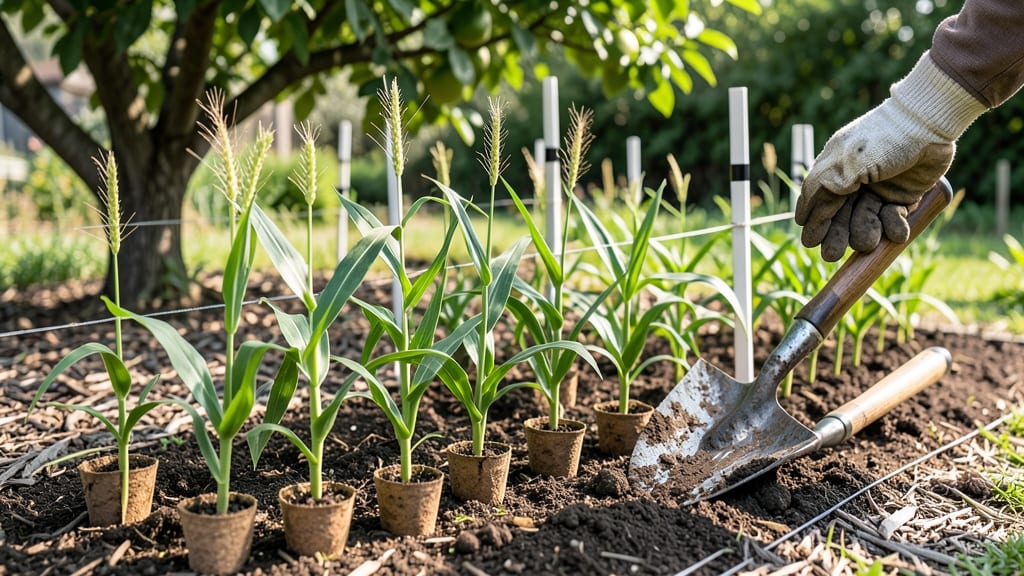
Timing your 🌽 corn planting in Arkansas can mean the difference between a bumper crop and a disappointing harvest. With Arkansas' USDA zones 7a-8b offering a narrow window between frost risks and summer heat, getting those seeds in the ground at the right moment is critical.
Most Arkansas gardeners swear by planting between mid-April and early June, when soil temperatures consistently reach 60°F—the magic number for germination.
But here's the catch: Northern Arkansas (closer to zone 7a) needs to wait until after the last frost date around March 15, while southern regions can start earlier.
I've seen firsthand how a few weeks' difference can dramatically affect yield. Whether you're growing sweet corn for summer meals or field corn for livestock, these zone-specific deadlines will help you avoid common pitfalls like frost damage or stunted growth.
Let me walk you through exactly when to plant in your specific part of the state, plus pro tips to maximize your harvest from late July through October. Your future corn cobb salad starts with these timing secrets.
Arkansas corn planting dates by hardiness zone (USDA 6b-8a)
Timing your corn planting in Arkansas depends heavily on your USDA hardiness zone and local frost patterns. Most of the state falls within zones 6b through 8a, but even small differences in elevation or latitude can shift your ideal planting window by weeks.
For example, the cooler Ouachita Mountains (zone 6b-7a) have later frost dates than the Delta region (zone 7b-8a).
As a general rule, corn thrives when planted 2-3 weeks after your last expected frost date and when soil temperatures consistently reach 60°F (15°C) at a depth of 4 inches.
In Arkansas, this typically lands between mid-April and early June, but let’s break it down by zone to avoid frost damage or missed harvest windows.
🌱 Pro Tip: Use a soil thermometer to confirm temperatures—corn seeds won’t germinate below 50°F, but growth stalls if soil stays under 60°F for too long.
| USDA Zone | Last Frost Date | Ideal Planting Window | Soil Temp for Germination | Harvest Window |
|---|---|---|---|---|
| 6b (Northern AR) | March 15 - April 1 | Late April - Mid-May | 60°F+ (15°C+) | Late August - Early October |
| 7a (Central AR) | March 1 - March 15 | Mid-April - Early May | 60°F+ (15°C+) | Early August - Mid-October |
| 7b (Central/Southern AR) | February 28 - March 10 | Early April - Late April | 60°F+ (15°C+) | Mid-July - Late October |
| 8a (Southeastern AR) | February 15 - February 25 | Late March - Early June | 60°F+ (15°C+) | Late June - November |
If you’re in zone 8a, like much of the Arkansas Delta, you can push planting into early June for a fall harvest. However, avoid planting after June 15—corn needs 90-120 days to mature, and late plantings won’t reach full maturity before the first frost in November.
For zones 6b-7a, stick to April-May to ensure a full-season harvest.
Another key factor is succession planting. In Arkansas, you can often squeeze in two corn crops by planting early varieties (like Silver Queen) in April and later varieties (like Peaches and Cream) in early June. Just ensure your second planting has enough time to mature before frost.
🌡️ Warning: Arkansas’ unpredictable spring weather can bring late frosts even after the average last frost date. Monitor forecasts and use row covers or black plastic mulch to protect young seedlings if nighttime temps dip below 32°F.
For container growing, start seeds indoors 2-3 weeks before your last frost date and transplant seedlings after soil warms. Containers dry out faster, so keep them near a water source and use self-watering pots if possible.
Dwarf varieties like Bodacious or Ambrosia work well for urban gardeners with limited space.
Finally, consider local agricultural extensions for hyper-local advice. The University of Arkansas Cooperative Extension Service offers free frost date maps and planting guides tailored to your county. Their resources can help you fine-tune your schedule based on microclimates like river valleys or hilltops.
With the right timing, Arkansas’ long growing season can yield bushels of sweet corn—just don’t wait until July to plant! 🌽
How to adjust corn planting for Arkansas’ microclimates and soil conditions
Arkansas isn’t just one climate—it’s a patchwork of microclimates that can shift planting windows by weeks. The Delta region (like Crittenden County) often enjoys earlier last frosts (March 1), while the Ouachita Mountains (like Bentonville) may face frost until April 15.
Even urban gardens in Little Rock can experience heat islands that push planting dates back.
I’ve grown corn in both the Mississippi River bottomlands and the Boston Mountains, and the soil differences are night-and-day. Delta soils are heavy clay that holds moisture but drains poorly, while upland areas have sandy loam that dries out faster.
Adjusting for these conditions means the difference between rotten seeds and plump ears.
For river valley gardens, aim to plant 2-3 weeks earlier than the general guideline—soil warms faster near water. In contrast, mountain regions should delay planting until after May 1 to avoid late frosts.
Urban gardeners with concrete heat absorption might need to wait until mid-May for soil to reach 60°F.
🌱 5 Key Adjustments for Arkansas Corn Planting
- Soil Test First: Arkansas soils often need lime (pH 6.0-6.5)—test before planting. Delta areas may need gypsum for drainage.
- Raise Beds in Wet Areas: Use 12-inch tall beds in clay soils to prevent root rot and improve warming.
- Drought-Resistant Varieties: For late June plantings, choose 'Pioneer Brand 39F53' (drought-tolerant) over standard sweet corn.
- Mulch Heavily: Apply 4-6 inches of straw to retain moisture in sandy soils (common in northwest AR).
- Adjust Watering: Delta gardens need daily watering; upland areas can stretch to every other day once established.
If you’re planting in June for a fall harvest, prioritize fast-maturing varieties like 'Silver Queen' (70 days). These can still yield small but sweet ears if planted by June 15. Just be prepared for shorter plants—they’ll struggle with Arkansas’ intense summer heat after July.
One trick I’ve used in urban containers is planting black plastic mulch to warm soil faster. This lets city gardeners start 2 weeks earlier than traditional methods. Just remove the mulch when plants reach 6 inches tall to prevent overheating.
Remember: Arkansas’ humidity and pests (like corn earworm) peak in August. If you’re pushing late plantings, use row covers or Bt spray to protect ears. The goal is ear development before August 15—after that, yields and quality drop sharply.