
Plants
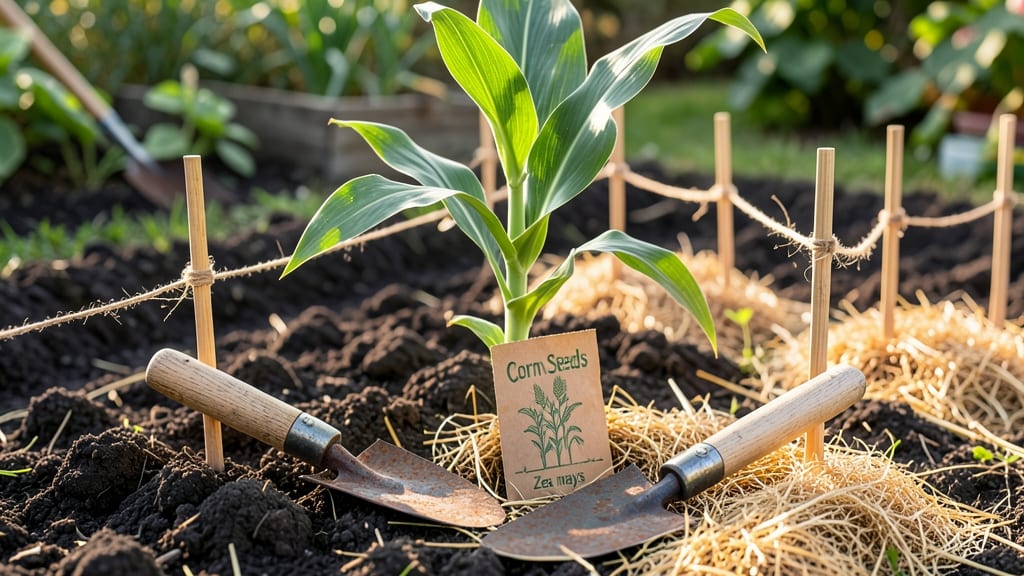
Timing your 🌽 corn planting in California isn’t just about the calendar—it’s about mastering the state’s dramatic shifts from coastal fog to scorching desert valleys. One wrong move, and you’ll end up with stunted stalks or ears that never fully mature.
The good news? With the right knowledge, you can align your planting schedule with California’s unique microclimates to guarantee a bountiful harvest.
Whether you’re in the coastal 9-11 zones where frost is rare or the inland 7-9 valleys with hotter summers, the ideal planting window varies wildly.
I’ll break down exactly when to drop seeds in each region—from March-April for coastal areas to May-July for inland valleys—so you can avoid common pitfalls like heat stress or premature frost damage.
But here’s the secret most gardeners miss: soil temperature matters just as much as the calendar. Planting too early in cold soil can stall growth, while waiting too long in desert zones risks summer’s brutal heat.
I’ll show you how to check soil temps and adjust your timeline for perfect conditions—because even the best corn varieties need the right start.
Ready to grow sweet, plump ears that outshine the grocery store? Let’s dive into the exact weeks, varieties, and care tips tailored to California’s diverse growing zones—so you can harvest like a pro this season.
California’s 3 best corn planting zones & their exact weeks for success
California’s climate is as diverse as its landscapes, and planting corn in the wrong zone can mean the difference between sweet, plump ears and stunted, underdeveloped plants. The state’s three primary corn-growing zones—coastal, valley, and desert—each have unique frost risks, heat patterns, and ideal planting windows.
Let’s break down the exact weeks to plant for each zone to maximize your harvest.
In coastal regions like San Francisco and Santa Barbara, cooler temperatures and morning fog delay planting until March 15–April 15. These areas rarely experience frost, but the slow soil warming means corn won’t thrive if planted too early.
Meanwhile, inland valleys such as the Central Valley and Sacramento area can start as early as April 1–May 15, taking advantage of warmer soils and longer growing seasons.
For desert zones like the Imperial Valley and Coachella Valley, the window shifts even earlier: February 1–March 15. Here, the goal is to beat the scorching summer heat, which can stress corn plants if they’re planted too late.
Each zone’s timing aligns with soil temperature thresholds—corn needs soil at 60°F (15°C) or warmer to germinate properly.
🌽
| Zone | Ideal Planting Window | Key Climate Factors | Frost Risk | Harvest Window |
|---|---|---|---|---|
| Coastal (e.g., SF Bay Area, Santa Barbara) | March 15–April 15 | Cool nights, fog, slow soil warming | Low (rare frost) | June–September |
| Inland Valleys (e.g., Central Valley, Sacramento) | April 1–May 15 | Warm days, moderate nights, longer growing season | Moderate (last frost: Dec–Feb) | July–October |
| Desert (e.g., Imperial Valley, Coachella) | February 1–March 15 | Extreme heat, dry conditions, early soil warming | Low (rare frost) | August–November |
To pinpoint the best time for your specific location, check the USDA Plant Hardiness Zone Map and local frost date averages. For example, Zone 9 (coastal) can plant corn as early as March 1, while Zone 7 (foothills) should wait until April 15 to avoid late frosts.
Use a soil thermometer to confirm temperatures—corn seeds won’t sprout below 55°F (13°C), but optimal germination occurs at 60°F+ (15°C+).
Another critical factor is daylength. Corn thrives on longer daylight hours, so planting in late spring (May–June) ensures enough sunlight for ear development.
In desert zones, planting too late can lead to heat stress, where corn bolts (sends up a tall stalk prematurely) or develops small, tough kernels. Aim for a 90–120-day variety to align harvest with cooler fall temperatures.
For urban gardeners in microclimates like Los Angeles or San Diego, pay attention to local heat islands. These areas can be 5–10°F warmer than surrounding regions, which may allow for slightly earlier planting.
However, always monitor nighttime temperatures—corn needs consistent warmth to pollinate successfully. If nights dip below 50°F (10°C), consider using row covers or planting near heat-retaining structures like brick walls.
🌡️
Pro tip: If you’re unsure about your local frost dates, consult your county agricultural extension office. They provide hyper-localized advice and can even offer soil tests to check pH and nutrient levels before planting.
In coastal areas, organic matter-rich soil helps retain moisture and warmth, while desert soils may need extra compost or mulch to prevent rapid drying. Plan to plant in blocks or wide rows (not single rows) to improve pollination—corn is wind-pollinated, and isolated plants may produce fewer or malformed ears.
Finally, keep an eye on rainfall forecasts. Coastal regions often rely on spring rains to moisten the soil, while desert growers may need to irrigate immediately after planting. In inland valleys, drip irrigation can help maintain consistent moisture without overwatering.
By aligning your planting with these zone-specific factors, you’ll set your corn up for a bountiful, sweet harvest—no matter where you garden in California.
How to adjust planting dates for soil temperature & rainfall patterns
California’s soil temperature swings more dramatically than its weather forecasts suggest. Planting corn too early in cooler coastal zones (like San Francisco Bay Area) can leave seeds rotting in damp soil, while desert valleys (like Imperial Valley) risk heat stress if you wait until June.
The golden rule? Wait until soil hits 60°F+—corn roots stall below this threshold, even if air temps are warm.
I use a soil thermometer ($15 at garden centers) to check depth—corn seeds need 60°F at 4 inches deep. Coastal gardeners should test in late March or early April, while inland growers can start as early as February in desert zones.
Pro tip: Morning soil temps are most accurate—test between 9-11 AM when ground is warmest.
Rainfall patterns add another layer. Coastal areas often get March-April showers, which can delay planting if soil stays soggy. In contrast, Central Valley farmers rely on irrigated schedules—planting too late risks summer drought stress.
Check your local USDA climate maps for 10-year rainfall trends—some inland zones see 50% less rain in drought years, requiring earlier planting.
⚠️ Critical Warning: Heatwave Risks
Planting corn in June+ in inland zones (like Fresno or Bakersfield) risks heat stress—temperatures above 95°F can cause ear abortion (kernels fail to develop). Monitor NOAA heat alerts and adjust planting 2-3 weeks earlier if forecasts show back-to-back 100°F days.
🌡️ Action: Use shade cloth (30-50%) for young plants if planting late.
Even coastal fog belts (like Santa Cruz) have tricks. The marine layer can keep soil cool into May, but afternoon sun breaks often warm soil enough by 10 AM.
I’ve seen gardeners in Monterey plant April 15 successfully by choosing south-facing slopes—these spots warm 5-10°F faster than flat ground.
For container growing, adjust timelines 1-2 weeks earlier—pots heat up faster. Use black plastic mulch to raise soil temps by 5-8°F in cooler zones. And if you’re in high desert areas (like RidgecrestFebruary-March to beat the June heatwave—corn matures faster in cooler early spring.
Remember: California’s microclimates mean your neighbor’s perfect June planting might be your disaster. Always test soil temps, check rainfall forecasts, and observe local heat patterns—your corn will thank you with sweet, plump ears instead of stunted stalks.