
Plants
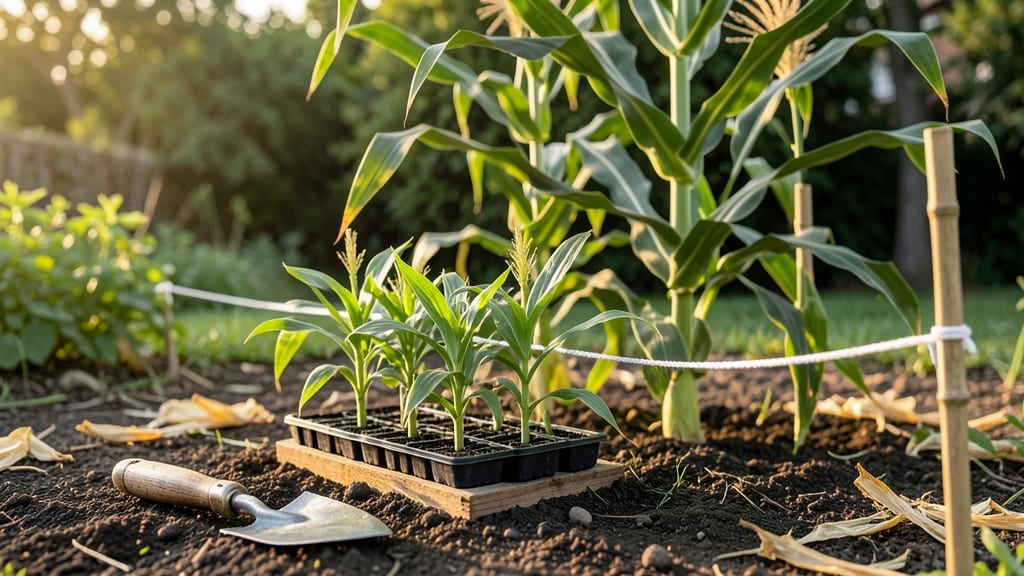
Timing your corn planting in Illinois isn't just about following a calendar—it's about understanding your 5b-6a zone and the subtle cues from Mother Nature.
Whether you're a seasoned gardener or a first-timer with a shovel in hand, getting those seeds in the ground at the right moment can make or break your 🌽 harvest.
Most Illinois gardeners know the general rule: mid-April to early June is prime time. But here's the catch—your exact window depends on soil temperature, last frost dates, and even the variety of corn you're planting.
Skip this step, and you might end up with stunted plants or worse, a crop lost to early frost.
In this guide, I'll break down the perfect planting window for your specific zone, plus pro tips for adjusting when spring decides to play hard to get. You'll learn how to read your soil's temperature, choose the right corn varieties, and even handle those unexpected late frosts without losing hope.
Ready to turn your Illinois garden into a cornfield that rivals the best of the Midwest? Let's get those seeds in the ground the right way—so you can enjoy a harvest that's as satisfying as it is bountiful.
Illinois corn planting dates by hardiness zone & last frost dates
Corn thrives in Illinois' climate, but timing is everything. The state spans USDA zones 5b-7a, with last frost dates ranging from mid-April in southern regions to late April in northern areas.
Plant too early, and frost will kill tender seedlings; too late, and your harvest may suffer from heat stress or shorter daylight. Let’s break down the ideal planting windows by zone to maximize your corn’s potential.
For most of Illinois, mid-April to early May is the sweet spot for planting corn. However, soil temperature is more critical than calendar dates. Corn seeds need consistent soil temps of 50°F+ to germinate properly.
In colder northern zones (like zone 5b), wait until after May 1 unless you’re growing cold-tolerant varieties. Southern Illinois (zone 6a+) can start as early as late March if soil warms early.
Here’s how to align your planting with Illinois’ frost-free window. The average last frost date is April 15, but plant at least 2 weeks after this date to avoid frost damage. Northern Illinois gardeners should aim for early May, while southern growers can start in mid-April.
Pro tip: Use row covers or black plastic mulch to warm soil faster in cooler zones.
🌽 Illinois Corn Planting Guide by Zone
| Zone | Last Frost Date | Ideal Planting Window | Soil Temp Requirement | Notes |
|---|---|---|---|---|
| 5b (Northern IL) | April 20-May 5 | Early May | 50°F+ | Use cold-tolerant varieties like 'Early Sunglow' |
| 6a (Central IL) | April 10-20 | Mid-April to early May | 50°F+ | Best for 'Golden Bantam' or 'Silver Queen' |
| 6b-7a (Southern IL) | March 25-April 15 | Late March to mid-April | 50°F+ | Try early varieties like 'Ambrosia' |
If you’re in zone 5b, consider staggered planting to extend your harvest. Plant half your seeds in early May and the other half 2 weeks later. This ensures continuous ear production even if weather delays germination.
For southern Illinois, late March plantings can yield early harvests, but monitor soil moisture—dry spells can stunt growth.
Don’t rely solely on calendar dates. Use a soil thermometer to confirm temps. Corn seeds won’t germinate below 50°F, and slow germination invites pests like cutworms. In northern Illinois, wait until soil hits 55°F for faster sprouting.
Pro tip: Black plastic mulch can raise soil temps by 5-10°F, giving you a 2-week head start.
For successful corn growth, aim for 90-120 days to maturity. If you plant in early May, you’ll likely harvest in late August to early September.
Late plantings (June) may produce smaller ears but can still yield sweet corn if given enough water. Drought-resistant varieties like 'Peaches and Cream' are ideal for unpredictable Illinois summers.
Remember: Corn is wind-pollinated, so plant blocks of 4+ rows (not single rows) for cross-pollination. If you’re short on space, try bush corn varieties like 'Golden Bantam,' which grow half the height of standard types.
Just ensure you have 6+ hours of sunlight daily—corn is a sun-hungry crop!
Finally, keep an eye on local weather forecasts. A late frost in May can devastate early plantings, while heatwaves in July may stress mature plants. By aligning your planting with soil temps, frost dates, and variety maturity, you’ll set your corn up for a bountiful harvest.
🌱
Best corn varieties for Illinois planting timing & soil conditions
Choosing the right corn variety for Illinois means matching your planting timeline with the plant's maturity rate and climate resilience.
Early-season varieties like 'Silver Queen' (70-75 days) thrive when planted in late April, while late-season types such as 'Black Aztec' (90+ days) need a June start to mature before frost. Drought-tolerant options like 'Pioneer Brand 39T03' are perfect for Illinois' unpredictable summers.
Your soil conditions also play a critical role. Illinois' clay-heavy soils in northern zones (5b) benefit from well-draining amendments like compost, while sandy soils in southern zones (6a) need organic matter retention. Varieties like 'Golden Bantam' (60 days) adapt well to poor soil but require consistent moisture during pollination.
Here’s how to pair varieties with Illinois’ three planting windows:
| Planting Window | Best Varieties | Days to Maturity | Soil Needs |
|---|---|---|---|
| Late April (Early) | 'Silver Queen', 'Ambrosia' | 70–75 days | Rich, well-drained |
| Mid-May (Standard) | 'Golden Bantam', 'Country Gentleman' | 60–80 days | Moderate fertility |
| Early June (Late) | 'Black Aztec', 'Pioneer 39T03' | 90–110 days | Drought-tolerant, sandy |
For northern Illinois (Zone 5b), prioritize early-maturing varieties to avoid early fall frosts. In southern Illinois (Zone 6a), you can extend your season with late-planted, heat-tolerant types like 'Peaches and Cream'.
Always check seed packets for relative maturity (RM) days—this tells you how many days until harvest from planting.
Pro tip: Plant two varieties with staggered maturity dates (e.g., a 70-day and a 90-day corn) to ensure a continuous harvest and better pollination. This technique also reduces the risk of losing your entire crop to a single late-season pest outbreak or drought spell.
Test your soil pH before planting—corn prefers 6.0–6.8. If your soil is too acidic, add lime in fall; if alkaline, mix in sulfur or peat moss. Illinois’ clay soils often need gypsum to improve drainage without altering pH.
Remember: Soil temperature matters more than air temperature. Use a soil thermometer to confirm 50°F+ before planting—cold soil delays germination and invites fungal diseases. In Zone 5b, wait until May 1 to be safe; in Zone 6a, April 15 is ideal for early varieties.