
Plants
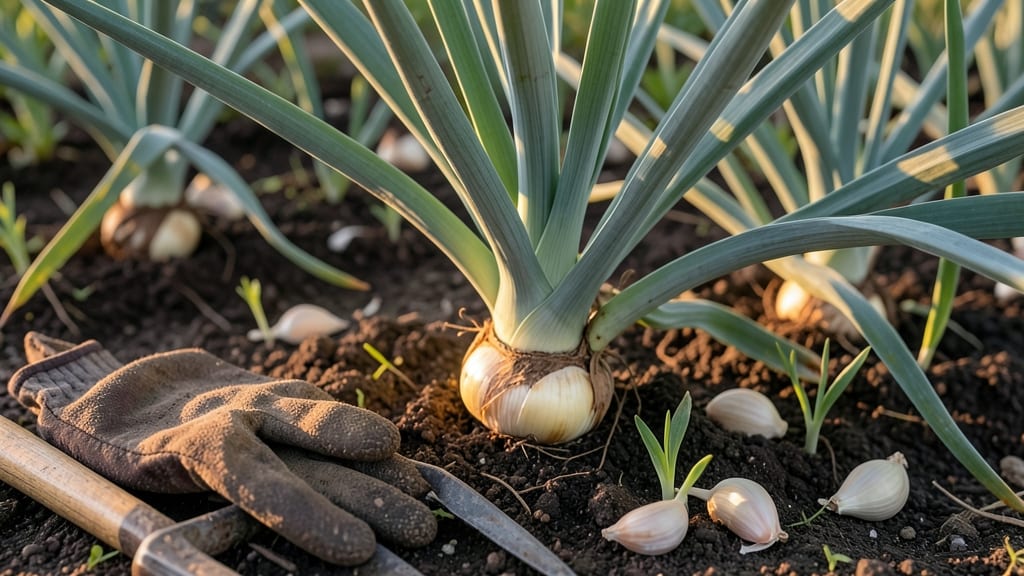
Timing your 🧄 garlic planting in California could make or break your harvest—get it wrong, and you might end up with puny bulbs or no harvest at all.
Unlike many crops, garlic thrives when planted in the cooler months, but California’s diverse climate zones (from coastal 10 to inland 9) mean the "perfect" window shifts depending on where you live.
Most California gardeners swear by planting between October and December, but why? The key is giving garlic’s roots time to establish before the ground cools too much—or before winter rains arrive.
If you’re in the Bay Area, you’ve got until late November; inland valleys like the Central Coast need to plant by early November to avoid missed opportunities.
What happens if you plant too early or too late? Too early, and your cloves might sprout before winter sets in; too late, and they won’t have enough time to develop strong bulbs before summer heat arrives.
I’ll break down the exact 4-6 week window before winter rains begin—and how to adjust for your specific microclimate.
Ready to grow bold, flavorful garlic? Let’s dive into the secrets of California’s best planting times, soil prep, and the critical mistakes that ruin harvests—so you can enjoy homegrown bulbs from June to August.
Best fall planting months for garlic in California’s climate zones
California’s diverse climate means garlic planting times vary dramatically from the coastal fog belts to the Central Valley’s hot summers. Unlike northern states, we don’t rely on frost cycles—cool winter temperatures trigger bulb formation instead. The key is planting 4-6 weeks before winter rains to establish roots before dormancy.
For most of California (USDA zones 9-10), October through December offers the perfect window. Coastal areas like San Francisco can plant as late as mid-December, while inland valleys should aim for October-November to avoid summer heat stress.
Even our high desert regions (like Death Valley’s outskirts) benefit from fall planting—just choose early-maturing varieties.
Here’s the critical difference: Northern California’s cooler microclimates (like the Bay Area) can handle later plantings, while Southern California’s Mediterranean climate demands earlier starts to prevent summer dormancy. The first hard frost (rare in most zones) isn’t the trigger—consistent 50°F nights are what we watch for.
🌱 California Garlic Planting Windows by Region
| Region | Best Planting Months | Key Trigger | Soil Prep Tip |
|---|---|---|---|
| Northern CA (Bay Area, Sacramento) | October 15 - November 15 | 50°F night temps | Add compost for winter moisture |
| Central Valley (Fresno, Bakersfield) | October 1 - November 1 | First 40°F mornings | Raise beds for drainage |
| Southern CA (LA, San Diego) | October 1 - December 15 | Winter rain onset | Mulch heavily to retain moisture |
| Coastal (Santa Barbara, Monterey) | November 1 - December 10 | Foggy 55°F nights | Use shade cloth if hot |
| High Desert (Palm Springs, Joshua Tree) | September 15 - October 15 | First 60°F nights | Drip irrigation only |
💡 Pro Tip: Use hardneck varieties (like 'German White') for inland areas and softneck types (like 'Silverskin') for coastal zones.
I’ve learned the hard way that planting too early in Southern California can lead to premature sprouting, while delaying in the Central Valley risks summer heat stress. The 4-6 week buffer before winter rains isn’t just a guideline—it’s a survival strategy for California’s unpredictable weather patterns.
For container growers, extend your window by 2-3 weeks—pots warm up faster and can be moved to shaded areas during heatwaves. Just ensure containers have drainage holes to prevent root rot, a common issue in California’s heavy clay soils when overwatered.
One mistake I see often is assuming all garlic varieties thrive equally in California. Hardnecks (like 'Music') need cold to form bulbs, while softnecks (like 'Artichoke') tolerate our mild winters better. Match your variety to your microclimate—this makes all the difference in bulb size and flavor.
Remember: California’s garlic success hinges on timing + variety selection. Plant at the wrong time, and you’ll end up with small, pithy bulbs instead of the bold, flavorful harvests we all crave.
The good news? With the right approach, you can grow garlic year-round in most of California—just adjust your timing and varieties accordingly.
🌿 Now that you’ve got your planting window locked in, let’s talk about preparing those cloves for California’s unique soil challenges—because even the best timing won’t help if your soil isn’t ready.
Best fall planting months for garlic in California’s climate zones
California’s diverse microclimates mean your garlic planting window depends heavily on where you live. While most gardeners aim for October through December, the exact timing shifts from coastal Zone 10 to inland Zone 9.
In milder coastal areas like San Francisco or Santa Barbara, you can plant as late as mid-December—but inland valleys like the Central Coast or Sacramento need to plant by early November to avoid missed opportunities.
The golden rule? Plant garlic 4-6 weeks before winter rains begin. This ensures roots establish before heavy downpours, which can wash away soil nutrients.
If you’re in Southern California’s desert-adjacent zones (like Palm Springs), aim for October planting—these areas rarely get cold enough for true winter dormancy, so garlic needs to establish early.
Here’s how to adjust your timing based on your region:
| Region | USDA Zone | Best Planting Window | Key Consideration |
|---|---|---|---|
| Northern California (Bay Area, Sacramento) | 9-10 | October 15 - November 15 | Cooler nights; plant before first heavy rains. |
| Central Coast (Santa Barbara, San Luis Obispo) | 9-10 | October 1 - November 10 | Mild winters; avoid planting after November. |
| Southern California (Los Angeles, San Diego) | 10-11 | November 1 - December 15 | Warmer winters; extend window slightly. |
| Desert-Adjacent (Palm Springs, Joshua Tree) | 9-10 | October 1 - October 30 | Minimal rain; plant early for root establishment. |
Pro tip: If you’re unsure about your local frost dates, check the National Weather Service or your local Cooperative Extension office. They’ll provide hyper-local frost predictions that can save your harvest.
For example, hardneck varieties (like Rocambole) need a period of cold to form bulbs, while softneck varieties (like Artichoke) are more forgiving in milder zones.
Missed the fall window? Don’t panic! You can still plant garlic in January for a smaller harvest, but expect less robust bulbs. The key is to prioritize well-draining soil and consistent moisture—two factors that make all the difference in California’s unpredictable climate.
Once you’ve nailed your planting window, the next step is preparing your cloves and soil—because even the best timing won’t save you from poor soil prep. Stay tuned for my next section on clove selection and California-specific soil amendments to maximize your garlic’s potential! 🌱