
Plants
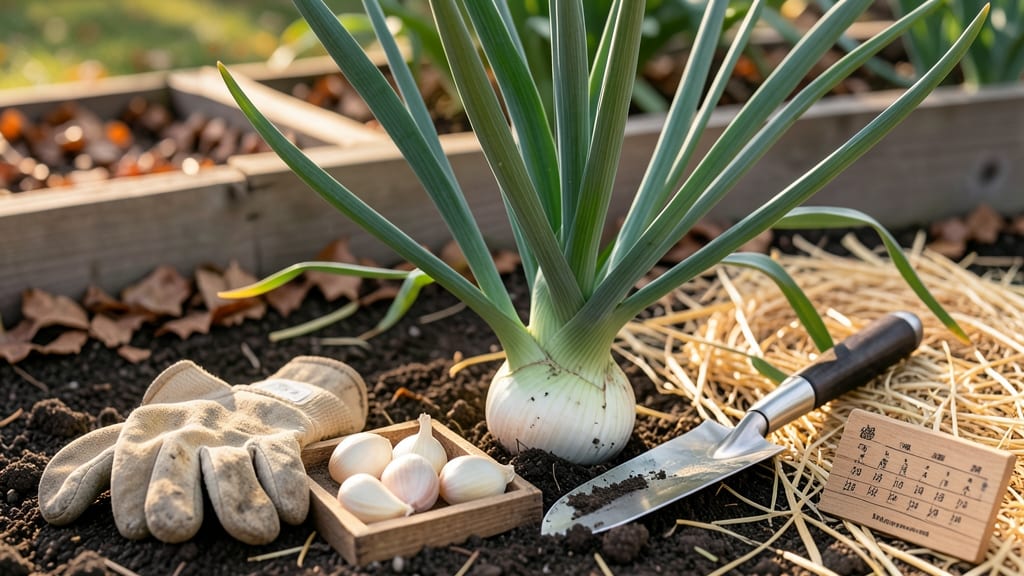
Planting garlic in Oklahoma isn’t just about throwing cloves into the ground—it’s about mastering the 6b-8a zone timing to grow bulbs that’ll make your kitchen the envy of the neighborhood. Too early, and your 🧄 sprouts might freeze before winter; too late, and you risk weak growth or bolted scapes.
The key? Planting between October and November when soil temps dip below 60°F, but before the first hard frost hits.
Why does this matter? Because Oklahoma’s microclimates—from windy plains to sheltered valleys—can shift frost dates by weeks. In Zone 6b, you’ve got until mid-November, while Zone 8a gardeners should plant by early November. Get it wrong, and you’ll either waste seed or end up with puny harvests next June-July.
Here’s the good news: with the right variety—like cold-hardy hardneck types for northern OK or milder softneck for southern regions—and a few simple soil prep tricks, you’ll be on track for plump, flavorful bulbs.
I’ll walk you through the exact steps, from testing soil readiness to mulching for winter protection, so you can plant with confidence.
Ready to transform your fall gardening? Let’s break down the microclimate-specific deadlines that’ll guarantee a harvest worthy of a chef’s kiss—and skip the guesswork for good.
Oklahoma garlic planting zones: exact dates by region (2024 guide)
Oklahoma’s USDA zones 6b-8a create a 6-week window for garlic planting, but your exact deadline depends on whether you’re in northern panhandle (zone 6b), central Oklahoma (zone 7a), or southeastern hills (zone 8a).
Plant too early, and cloves sprout before winter; too late, and frost damages tender shoots. Here’s your region-by-region breakdown for 2024.
For zone 6b (Alfalfa, Woodward, Beaver), aim for October 1–15—soil temps should hover around 50–60°F. In zone 7a (Oklahoma City, Stillwater), your window stretches to October 15–November 1. Zone 8a growers (Tulsa, Muskogee) can plant until November 15, but avoid late November risks.
Use a soil thermometer to confirm readiness: cloves need 40–50°F soil to root without sprouting prematurely.
⚠️ CRITICAL: Oklahoma’s first hard frost typically arrives November 15–30, but mountainous areas (like the Wichita Mountains) freeze earlier. Plant 4–6 weeks before your average frost date to ensure roots establish before winter.
Hardneck varieties (like ‘Music’ or ‘German White’) thrive in colder zones (6b–7a) and produce scape shoots in spring—harvest these for extra flavor! Softnecks (e.g., ‘Silverskin’) store longer but need milder winters (zone 7a–8a).
Pro tip: Break bulbs into individual cloves and plant the largest ones—they yield the biggest harvests.
Your last chance to plant in Oklahoma is December 1 (for zone 8a), but growth slows dramatically. Use straw mulch (4–6 inches) to insulate soil and prevent freeze-thaw cycles that heave cloves out of the ground. In windy plains, add row covers for extra protection.
After planting, mark your beds with stakes or flags—Oklahoma’s winter weeds (like henbit) sprout early and compete with garlic.
In spring, remove mulch when shoots emerge (late February–March) to encourage bulb development. First harvest-ready bulbs appear in June, but wait until lower leaves brown for maximum size.
🌱
How to adjust planting for Oklahoma’s microclimates (avoid these 3 mistakes)
Oklahoma’s microclimates can shift frost dates by weeks—so what works in Zone 6b (like northwestern OK) might fail in Zone 8a (southeastern hills). For example, Lawton’s last frost is often November 15, while Tulsa’s can arrive by November 1.
To avoid costly mistakes, adjust planting based on your local soil temperature and wind exposure.
Start by testing soil readiness: stick your finger 4 inches deep—if it feels below 60°F, it’s time to plant. Use a soil thermometer for precision. In windy plains (like the Panhandle), plant hardneck varieties deeper (2.5 inches) to anchor them, while sheltered valleys can handle shallower softneck types.
🚨 Mistake #1: Planting too early (before October 15) risks premature sprouting, leaving young plants vulnerable to fall freezes. I’ve seen cloves rot in the ground when planted in September—don’t let that happen to you!
⚠️ Critical Adjustments for Oklahoma’s Microclimates
- Urban heat islands (e.g., Oklahoma City): Plant by October 20—soil stays warmer longer.
- Mountainous areas (e.g., Ozark Foothills): Wait until November 1—frost comes earlier at higher elevations.
- Windy plains (e.g., Panhandle): Use windbreaks or plant near fences to prevent soil erosion.
Pro Tip: Mulch heavily (4–6 inches of straw) to insulate bulbs through winter freezes.
Mistake #2: Ignoring soil drainage. Oklahoma’s clay-heavy soils can waterlog garlic, causing root rot. Amend beds with compost or sand before planting, and avoid low-lying areas where water pools. I once lost an entire bed in Moore because I didn’t test drainage—don’t make that mistake!
Extend your planting window with row covers or cold frames. If you miss the October–November deadline, you can still plant into early December in Zone 8a, but use black plastic mulch to warm the soil.
Just remember: garlic needs 6–8 weeks of cold to form bulbs, so don’t push it too late.
Finally, rotate planting locations every 3–4 years to prevent disease buildup. Oklahoma’s humid springs can turn garlic beds into fungal hotspots if you replant in the same spot. Keep records of where you plant each year—your future harvests will thank you!