
Plants
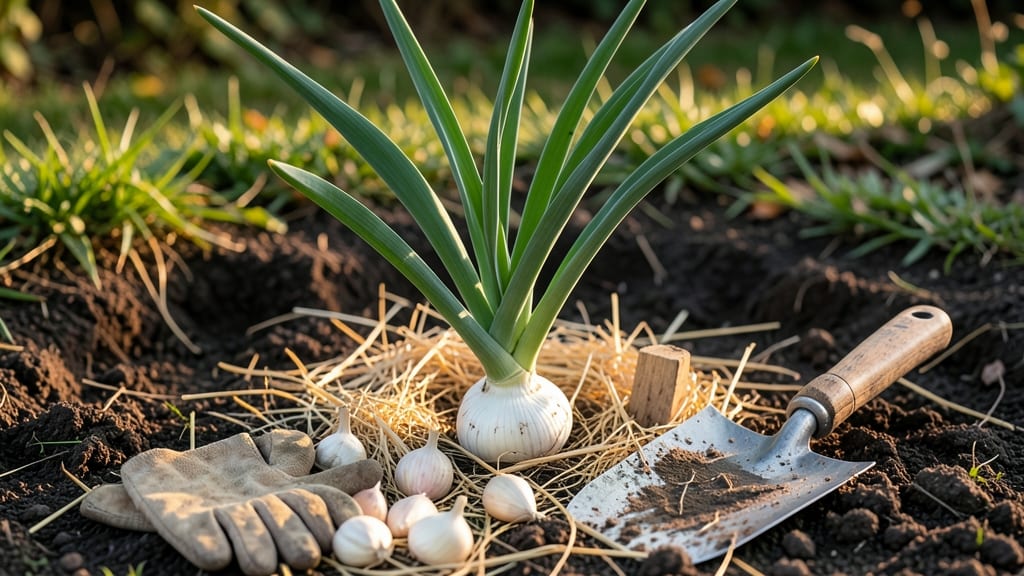
Planting your 🧄 garlic at the right time in Oregon isn't just about following a calendar—it's about beating the first frost while giving your crop the best shot at thriving.
With the state's diverse zones 7b-9a and microclimates, timing can make or break your harvest, especially when coastal areas and inland valleys behave so differently.
If you've ever wondered why some gardeners swear by October planting while others wait until November, the answer lies in your specific zone and local frost patterns.
I'll break down exactly when to get those cloves in the ground for hardneck varieties (the most flavorful choice for Oregon) and softneck types, so you can avoid the common mistake of planting too early or too late.
What you'll discover is how to adjust your schedule based on whether you're in the Willamette Valley, the Columbia Gorge, or along the coast. We'll cover soil prep secrets, mulching strategies, and how to handle those unpredictable spring frosts that can sneak up when you least expect them.
By the end, you'll have a clear planting timeline tailored to your corner of Oregon—plus tips to ensure your garlic bulbs develop properly through winter and are ready for harvest by late June. Let's get those cloves in the ground the right way.
Oregon garlic planting deadlines by microclimate Zone (6-8)
Oregon’s diverse climate zones—from coastal fog belts to inland valleys—create unique garlic planting windows.
In Zone 6 (eastern Oregon), aim for October 1–15 to beat early frosts, while Zone 8 (Willamette Valley) allows planting until November 15. Hardneck varieties (like Chesnok Red) thrive in colder zones, while softnecks (like Artichoke) suit milder coastal areas.
Your last frost date is the key deadline: plant 4–6 weeks before soil temps dip below 40°F. In Zone 7 (central Oregon), this typically falls in late October. Use a soil thermometer to confirm—garlic roots need consistent chilling to form bulbs.
For coastal Oregon (e.g., Astoria), milder winters push planting to November 1–15. Inland areas like Bend or La Grande may need earlier planting (September 15–October 15) due to harsher winters. Adjust for elevation: higher elevations (e.g., Mount Hood) freeze sooner.
🌱
Oregon Garlic Planting Deadlines by Zone
| Zone | Ideal Planting Window | Variety Recommendation | Key Adjustment |
|---|---|---|---|
| 6 (Eastern OR) | October 1–15 | Hardneck (e.g., German White) | Plant early; soil freezes by Nov 1 |
| 7 (Central OR) | October 15–31 | Hardneck or softneck | Avoid late Nov; frosts arrive fast |
| 8 (Willamette Valley) | November 1–15 | Softneck (e.g., Silverskin) | Cooler winters delay frost |
| Coastal (Zone 7b–8) | November 1–15 | Softneck or artichoke | Fog delays frost; plant later |
Use local frost data to fine-tune dates. Check the Oregon State University Extension for your specific county—their frost maps account for microclimates like urban heat islands (e.g., Portland) or valley cold pockets (e.g., Hood River).
For Zone 6, add 3–4 inches of mulch (straw or leaves) after planting to insulate bulbs.
If you miss the fall window, try late winter planting (February) in Zone 8, but expect smaller bulbs. Hardnecks need cold vernalization, so avoid spring planting for these varieties. Softnecks are more flexible but still prefer fall chilling for optimal flavor.
Test soil pH (6.0–7.0) before planting. Oregon’s volcanic soils (e.g., Jasper) drain well but may need compost amendment. Work in aged manure or worm castings at planting for nutrient-rich bulbs. Phosphorus-heavy fertilizers (like 5-10-10) encourage root growth during dormancy.
After planting, label varieties—Oregon’s 100+ garlic festivals celebrate local strains like Music or Chetwynd Purple Stripe. These heritage varieties often have later maturities, so adjust planting dates 1–2 weeks earlier than commercial types.
🌿
Oregon garlic planting deadlines by microclimate Zone (6-8)
Oregon's diverse microclimates mean your garlic planting window can shift dramatically depending on whether you're in Zone 6 (eastern Oregon) or Zone 8 (coastal areas). The golden rule: plant 4-6 weeks before the first hard frost—typically between mid-October and mid-November—to give roots time to establish before winter.
In colder Zone 6 areas, aim for early October, while Zone 8 gardeners can wait until late October or November.
Hardneck varieties (like 'German White' or 'Chesnok Red') thrive in Oregon's climate and need cold exposure to form bulbs, so they're the best choice for most zones. Softneck varieties (like 'Artichoke') can handle milder winters but still benefit from early fall planting.
The key is soil temperature: wait until it drops below 60°F but hasn't frozen yet.
Here’s how your zone and elevation affect planting deadlines, along with variety recommendations and soil prep tips to maximize success:
| Zone & Region | Ideal Planting Window | Best Varieties | Soil Prep Tip |
|---|---|---|---|
| Zone 6 (Eastern OR, Bend) | Early October (by Oct 15) | Hardneck: 'German White', 'Silverskin' | Amend with compost; mulch heavily (6" straw) |
| Zone 7 (Willamette Valley) | Mid-October (Oct 15-30) | Hardneck: 'Chesnok Red', 'Music' | Test pH (6.0-7.0); add sulfur if needed |
| Zone 8 (Coastal: Newport, Astoria) | Late October-November (after Nov 1) | Softneck: 'Artichoke', Hardneck: 'Creole' | Use raised beds for drainage; mulch lightly |
| High Elevation (Mt. Hood, Crater Lake) | September 15-October 1 | Hardneck: 'Purple Stripe', 'Rocambole' | Plant in south-facing beds; extend season with row covers |
Pro tip: Use Oregon State University's frost maps to pinpoint your local freeze dates. For example, Bend (Zone 6) often sees frost by October 20, while Portland (Zone 8) might hold off until November 10.
If you're unsure, err on the earlier side—garlic can handle light frosts but won’t thrive if planted too late.
After planting, mulch with 4-6 inches of straw to insulate bulbs through winter. This is especially critical in Zone 6, where temperatures can drop below 20°F.
In coastal Zone 8 areas, a lighter mulch (2-3 inches) prevents rot from excessive moisture. Avoid synthetic mulches—they can trap too much heat and disrupt dormancy.
Remember, hardneck garlic (the variety most Oregonians grow) needs cold vernalization to form bulbs, so don’t be tempted to plant in spring. Softneck varieties can sometimes be planted in late fall or early spring, but they’ll lack the robust flavor and size of properly overwintered hardnecks.
Your harvest timing will also vary: Zone 6 garlic is often ready by late June, while Zone 8 coastal garlic may not be ready until July.