
Plants
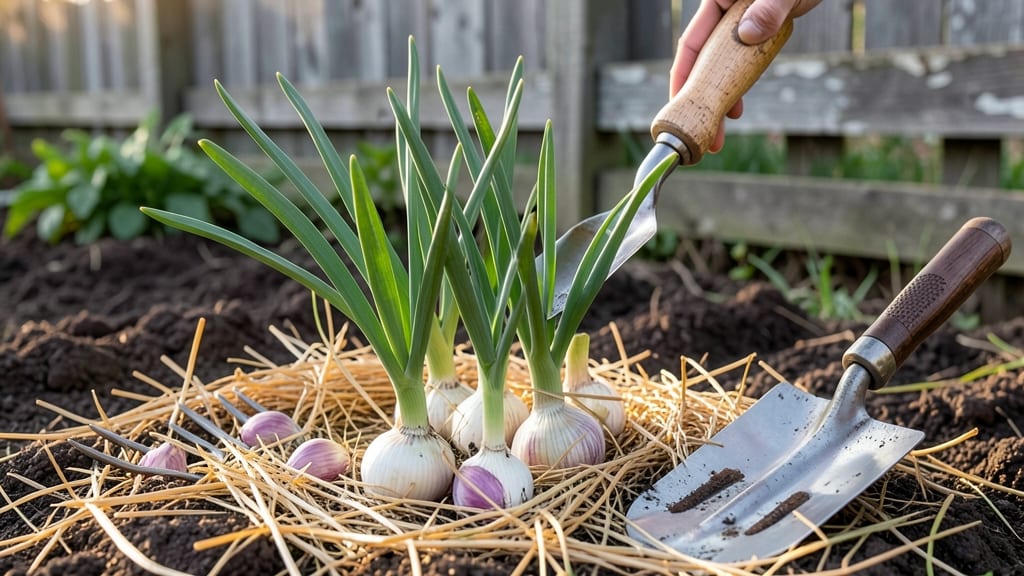
Timing your garlic planting in the fall is the key to growing those plump, flavorful bulbs you’ve been dreaming of. In Zone 6a, where I garden, planting 🧄 just 6-8 weeks before the first hard frost—around late October—sets the stage for a stellar harvest next summer.
But here’s the catch: get it wrong, and you might end up with stunted growth or weak cloves. The secret lies in understanding your local climate and adjusting for early frosts or unusually warm falls.
Whether you’re growing hardneck varieties for scapes or softnecks for storage, the right timing makes all the difference.
I’ll walk you through the exact planting window for your region, soil prep tips, and how to choose the best varieties for fall planting. By the end, you’ll know exactly when to get those cloves in the ground—and why it matters so much for bulb development.
Ready to turn your fall garden into next year’s garlic goldmine? Let’s get started with the perfect schedule for your zone.
Fall garlic planting calendar by USDA hardiness Zones
Planting garlic in the fall is all about timing—too early, and your cloves may sprout prematurely; too late, and winter’s chill stunts growth. The ideal window is 6-8 weeks before your first hard frost, giving roots time to establish before dormancy.
But this translates differently by USDA zone, where coastal climates stay milder longer than inland areas.
For example, gardeners in Zone 3 (think Minnesota or Maine) should plant by mid-September, while those in Zone 10 (Southern California or Florida) can wait until November.
Even within zones, microclimates—like frost pockets in valleys—demand adjustments. Let’s break it down by zone so you can plant with confidence.
🌱
Coastal regions often have later frost dates than inland areas just 50 miles away. For example, San Francisco (Zone 9) might plant in early November, while Sacramento (Zone 9 inland) could plant as early as late October.
Always check your local frost dates—the National Weather Service or Old Farmer’s Almanac are reliable sources.
Pro tip: Use a soil thermometer to confirm temperatures are between 40–50°F at a 4-inch depth before planting. Cold soil slows root growth, while warm soil triggers early sprouting—both are red flags for poor bulb development.
Another critical factor is garlic variety. Hardneck varieties (like ‘Music’ or ‘German White’) thrive in colder climates and need vernalization (cold exposure) to form bulbs. Softneck varieties (like ‘Silverskin’) tolerate warmer winters but may not bulb as well in Zones 3–5.
Choose varieties suited to your zone to maximize success.
If you’re in a transition zone (e.g., Zone 6b vs. 7a), err on the earlier side. Garlic planted too late in fall may not develop strong roots before winter, leading to smaller bulbs or even no harvest.
For example, in Zone 6, aim for mid-October planting—any later, and you risk stunted growth.
Finally, account for soil drainage. Garlic hates soggy soil during winter. If your garden holds moisture, plant on mounds or amend soil with compost and sand to improve drainage. Poor drainage can cause rot and wasted cloves.
🌿
Ready to plant? Grab your garlic cloves, a trowel, and a moisture meter—then follow your zone’s timeline. Next, we’ll cover how to adjust if your fall arrives early or late, so you’re never left guessing. Stay tuned!
Fall garlic planting calendar by USDA hardiness Zones
Planting garlic in the fall is all about timing—specifically, the 6-8 weeks before your first hard frost. This window ensures your cloves establish roots before winter dormancy. In Zone 6a, where I garden, that means late October is ideal, but your zone may vary dramatically.
Coastal areas often have milder winters, while inland regions face earlier frosts.
For example, gardeners in Zones 3-5 should plant by mid-October to avoid ground freezing, while those in Zones 8-10 can wait until November. The key is soil temperatures between 40-50°F—too warm, and your garlic won’t root; too cold, and it risks frost damage before establishing.
Here’s my zone-specific planting schedule to help you pinpoint the perfect time for your region:
| USDA Zone | Planting Window | Key Consideration |
|---|---|---|
| Zones 3-5 | Mid-September to mid-October | Early frost risk; prioritize hardneck varieties |
| Zones 6-7 | Late September to late October | Ideal for both hardneck and softneck; soil temps 40-50°F |
| Zones 8-10 | October to early November | Milder winters; softnecks thrive with later planting |
| Coastal Regions | November | Delayed frost; extend window with row covers |
One common mistake I see is planting too early, when soil is still warm. Garlic needs cool soil to trigger root growth—if it’s above 50°F, your cloves may rot before winter.
Conversely, planting too late risks shallow roots that won’t survive frost. Use a soil thermometer to confirm temps before planting.
Pro tip: In Zones 3-5, I always plant hardneck varieties like 'German White' first—they handle cold better than softnecks. For milder zones, softnecks like 'Silverskin' can wait until November. Mulch heavily after planting to insulate roots during winter fluctuations.
Now that you’ve got your zone locked in, the next step is adjusting for unpredictable weather—like those early frosts or late falls. I’ll cover backup strategies in the next section, including how to use row covers or overwintering starts if your timing gets thrown off.