
Plants
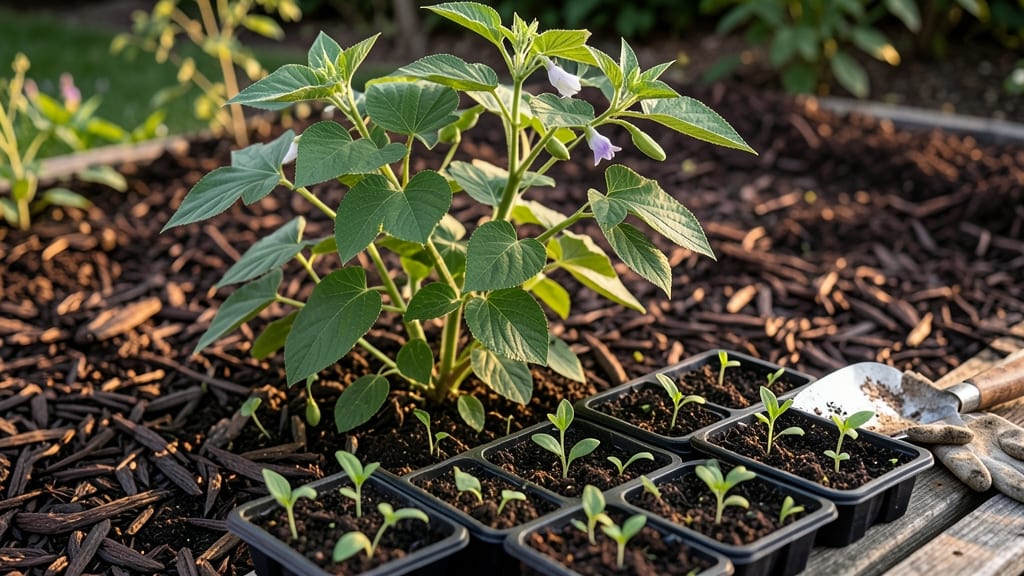
Knowing when to plant green beans in Missouri can mean the difference between a thriving 🌱 harvest and wasted seeds. Missouri's 5b-6b climate gives you a narrow window—typically between April 15 and May 15—but getting it wrong risks frost damage or missed yields.
Most gardeners make the mistake of planting too early, only to watch tender seedlings succumb to late frosts. The secret?
Wait until soil temperatures hit at least 60°F and the last frost has passed—usually around April 15 in most regions, though this varies slightly between St. Louis, Kansas City, and Springfield.
Here’s what you’ll discover: the exact week-by-week planting schedule tailored to Missouri’s frost-free zones, plus pro tips for extending your harvest from July through September. Whether you’re growing bush or pole varieties, these strategies will help you maximize your garden’s potential.
Ready to grow a bumper crop? Let’s break down the best practices so you can enjoy fresh green beans all season long—without the guesswork.
Missouri green bean planting timeline by week: frost-free zones breakdown
Green beans thrive in Missouri’s USDA zones 5b-7a, but timing is critical to avoid frost damage. Most gardeners plant between mid-April and mid-May, aligning with soil temperatures of at least 60°F.
In northern Missouri (zones 5-6), start 2-3 weeks later than southern regions to account for later frost dates.
Missouri’s frost-free window typically spans 165 days, from mid-April to mid-October. However, last frost dates vary: St. Louis averages April 15, Kansas City April 22, and Springfield April 10. Planting too early risks frost-killed seedlings, while late planting may limit harvest before fall frost.
Green beans are direct-seeded (not transplanted), so timing focuses on soil conditions. Use a soil thermometer to confirm 60°F+ temperatures—cold soil delays germination. For pole varieties, plant slightly earlier (mid-April) since they mature slower, while bush beans can wait until late April.
| Region | Last Frost Date | Planting Window | Soil Temp Requirement | Harvest Window |
|---|---|---|---|---|
| Southern MO (St. Louis, Cape Girardeau) | April 10-15 | April 15-May 1 | 60°F+ | July 15-Sept 15 |
| Central MO (Columbia, Jefferson City) | April 15-20 | April 25-May 10 | 60°F+ | July 20-Sept 10 |
| Northern MO (Kansas City, St. Joseph) | April 20-25 | May 1-May 15 | 60°F+ | July 25-Sept 5 |
| Northeast MO (Sedalia, Kirksville) | April 25-May 1 | May 10-May 20 | 60°F+ | Aug 1-Sept 1 |
For continuous harvests, Missouri gardeners often stagger plantings every 2 weeks from April through June.
This ensures fresh beans from July through September, even as summer heat arrives. Pole beans (like 'Kentucky Wonder') take 60-65 days to mature, while bush beans (like 'Blue Lake') mature in 50-55 days.
Missouri’s clay-heavy soils can delay warming, so amend beds with compost or aged manure 2-3 weeks before planting. This improves drainage and warms soil faster. Avoid planting in cold, wet soil, as it increases risk of root rot and fungal diseases like white mold.
If your area experiences unpredictable spring weather, opt for heat-tolerant varieties like 'Blue Lake' or 'Contender'. These handle Missouri’s summer heat waves better than traditional varieties. Start seeds indoors 2-3 weeks before the last frost if you’re eager for an early harvest, then transplant seedlings outdoors after soil warms.
For fall plantings, Missouri gardeners can try a late summer crop (mid-August) if you’re in zones 6-7. Use row covers to extend the season until first frost. However, bush beans work better for fall than pole varieties, as they mature faster before cold sets in.
Track your local frost dates using the Missouri State Climate Office or Almanac’s Frost Calculator. Adjust planting by 1-2 weeks if your microclimate runs cooler (e.g., valley areas) or warmer (e.g., urban heat islands). Consistency is key—stick to your region’s proven timeline for the best yields.
Missouri’s humid summers mean green beans need consistent moisture (1-1.5 inches per week) but well-draining soil. Mulch with straw or grass clippings to retain moisture and suppress weeds. Water in the morning to prevent fungal issues that thrive in evening dampness.
Missouri green bean planting timeline by week: frost-free zones breakdown
Missouri’s 5b-6b climate creates a precise planting window for green beans—typically between April 15 and May 15. But timing varies by region: St. Louis (Zone 6a) has a later last frost than Springfield (Zone 6b).
The key is waiting until soil temperatures hit 60°F+ and all frost risk has passed.
Most gardeners in Missouri plant green beans directly in the soil (not transplants) for best results. This method avoids transplant shock and ensures strong root development. For both bush beans (compact) and pole beans (vining), the ideal window aligns with Missouri’s 165 frost-free days.
Here’s your week-by-week breakdown for Missouri’s major cities, including soil temperature thresholds and frost risk:
| Region | Last Frost Date | Planting Window | Soil Temp (°F) | Notes |
|---|---|---|---|---|
| St. Louis (Zone 6a) | April 20 | May 1-15 | 60°F+ | Use row covers for early May plantings |
| Kansas City (Zone 6b) | April 15 | April 25-May 10 | 60°F+ | Earlier plantings need protection |
| Springfield (Zone 6b) | April 10 | April 20-May 5 | 60°F+ | Fastest growing season in MO |
For pole beans, which take longer to mature, plant seeds 2-3 weeks earlier than bush varieties. This gives vines time to establish before the heat of summer arrives. In Missouri’s climate, pole beans often produce 20-30% more yield than bush beans when given proper trellis support.
Missouri gardeners can also plant a second crop in late July for a fall harvest. Choose short-season varieties like ‘Blue Lake’ or ‘Contender’ that mature in 50-55 days. This ensures pods ripen before the first frost in mid-October.
Pro tip: Test your soil’s pH (6.0-7.0) before planting. Missouri’s clay-heavy soils often need compost or aged manure to improve drainage. A simple soil test kit (available at local nurseries) will save you from potential rot issues.