
Plants
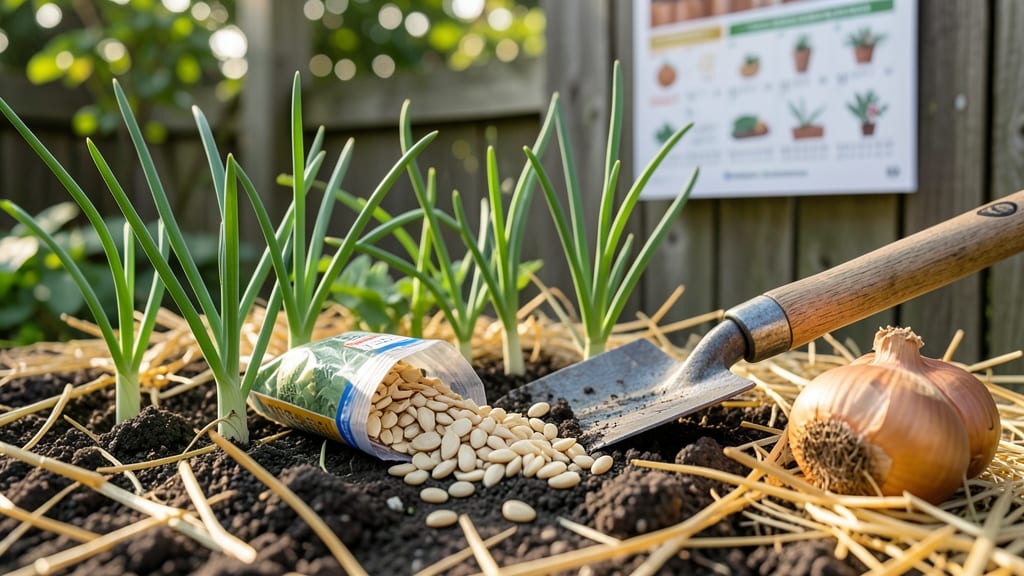
Timing your 🧅 onion planting in Oklahoma isn’t just about following a calendar—it’s about outsmarting the state’s unpredictable swings from freezing March nights to scorching summer heat. Plant too early, and frost will stunt those tender shoots; too late, and your bulbs might bolt before reaching full size.
The 6b-7a zone gives you two prime windows, but getting the weeks right makes all the difference between a bumper crop and a bitter disappointment.
Most gardeners in Oklahoma’s spring-planted zones (like Tulsa or Oklahoma City) swear by late February to early April, but the exact date depends on your microclimate. Fall planting? Aim for August to early September—just 8-10 weeks before the first frost hits.
The key isn’t just the calendar; it’s watching soil temperatures and local frost patterns, which can vary even within the same county.
Why does this matter so much? Because onions are finicky about daylight. Short-day varieties (like Texas Early White) thrive in Oklahoma’s climate, but planting them at the wrong time can turn your harvest into a sad, stringy mess.
I’ll break down the exact weeks for your region, plus how to adjust if Mother Nature throws a curveball—like an early heatwave or a late frost.
Ready to grow plump, sweet 🧅 onions that rival the ones at the farmers’ market? Let’s dive into the planting schedule that actually works for Oklahoma’s unique growing conditions, so you can enjoy homegrown bulbs from June through November—without the guesswork.
Oklahoma planting zones: best weeks for onion success by region
Oklahoma’s USDA zones 6b-8a create a patchwork of planting opportunities, but the real magic happens when you match your onion varieties to your microclimate. The Panhandle (zone 7a/8a) enjoys longer growing seasons, while southeastern Oklahoma (zone 7a) faces earlier frosts.
Even within cities like Tulsa or Oklahoma City, elevation and urban heat islands shift ideal planting dates by 1-2 weeks.
For spring planting, aim to get seeds or sets in the ground 4-6 weeks before your last frost date. In most of Oklahoma, that means late February to early April, but adjust for your specific zone.
Fall planting? Start 8-10 weeks before the first frost, typically August to early September. The key is soil temperature—onions need 40-50°F soil temps to sprout reliably.
Here’s your region-specific planting schedule for Oklahoma’s most common growing areas, including adjustments for short-day vs. long-day varieties. Short-day onions (like Texas Early White) are your best bet—they thrive in Oklahoma’s daylight and won’t bolt prematurely.
Pro tip: Use soil thermometers to confirm temps—especially in urban areas where pavement can delay warming. If your soil stays below 40°F for weeks, wait until conditions improve or use row covers to protect young plants.
For short-day onions (the best choice for Oklahoma), plant Texas Early White in late February to early March for a June harvest or August for a fall crop. Long-day varieties like Sweet Sandwich can bolt in Oklahoma’s heat, so save them for cooler mountain regions or spring planting only.
Remember: Oklahoma’s variable weather means flexibility is key. If a late frost threatens, cover plants with frost cloth or wait until soil warms. The goal is to avoid bolting (when onions flower prematurely) and ensure bulbs mature before summer heat sets in.
Once you’ve planted, maintain consistent moisture—onions hate drying out—but avoid overwatering, which leads to rot. Mulch with straw to keep soil temps stable and weeds at bay. With the right timing, you’ll harvest plump, sweet onions that put store-bought varieties to shame.
🌱
How to adjust planting dates for Oklahoma’s unpredictable weather
Oklahoma’s weather can throw a wrench into even the best-laid planting plans. One week you’re battling late frosts in April, and the next, a heatwave hits in May. The key to onion success is flexibility—knowing how to shift your timeline when Mother Nature disrupts the schedule.
For example, if your March 15 last frost slips to April 1, you’ll need to delay planting by 2-3 weeks to avoid stunted growth.
Start by monitoring soil temperatures—onions need the ground to be at least 50°F (10°C) for consistent germination. Use a soil thermometer or check local weather station data (like the Oklahoma Mesonet) to track trends.
If your soil stays cold longer than expected, opt for transplanted sets instead of seeds, as they germinate faster once warmed.
Another trick? Plant a backup batch 2-3 weeks later than your primary planting date. This hedge ensures you’ll have a harvest even if the first attempt fails due to frost or drought.
For instance, if you plant Yellow Granex onions in late February, tuck in a second round in early March. The later batch might bolt faster, but you’ll still get some edible bulbs.
⚠️ Watch for These Oklahoma-Specific Risks
Late Frost (April): Use frost cloth or row covers for 2-3 weeks after planting to protect young shoots. Remove covers during the day to avoid overheating.
Early Heatwave (May-June): If temperatures exceed 85°F (29°C) before bulbs mature, onions may bolt. Provide afternoon shade with shade cloth (30-50% coverage) to extend the growing season.
Drought (Summer): Mulch with straw or grass clippings to retain moisture. Water deeply in the morning only to prevent fungal diseases like downy mildew.
For fall planting, aim for early August in northern Oklahoma (zones 6b-7a) and early September in the southern Panhandle (zone 8a). However, if your area experiences unusually dry summers, delay planting until mid-August to avoid stressing seedlings during Oklahoma’s scorching July heat.
Always calculate 10 weeks before your first frost date—this ensures bulbs mature before cold sets in.
Pro tip: Keep a gardening journal to track your local frost dates and weather patterns. Over time, you’ll spot trends—like your neighbor in Lawton who always gets a late frost in early April—that help you fine-tune your planting schedule.
For example, if your journal shows that May 1 is the safest date for your area, shift your spring planting to the third week of March instead of the first.
Remember, onions are resilient, but timing is everything. By staying adaptable and prepared for Oklahoma’s unpredictable weather, you’ll turn potential disasters into plump, homegrown bulbs—just in time for your favorite recipes. 🌱💧☀️