
Plants
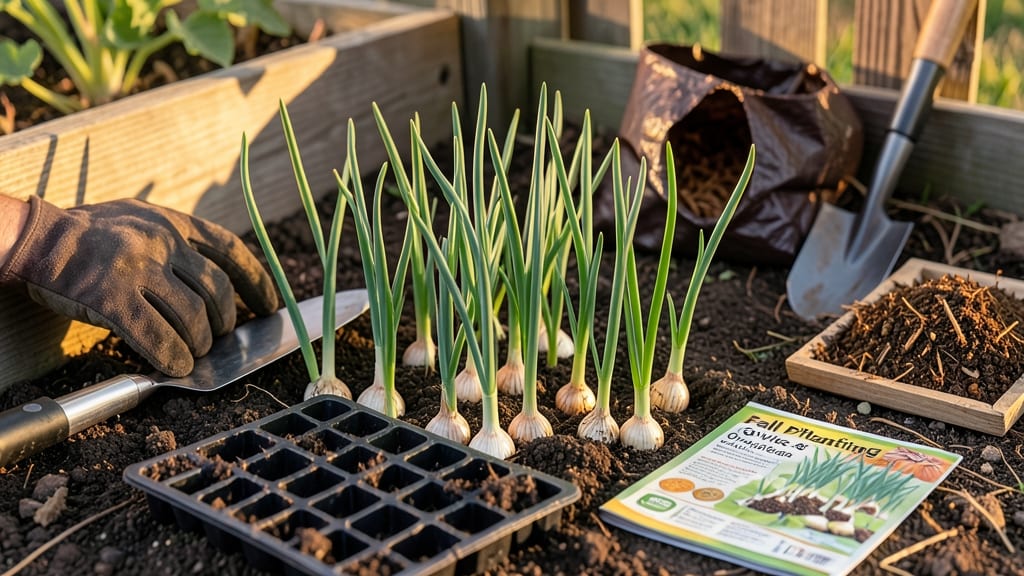
If you’ve ever wondered why some gardeners swear by fall-planted 🧅 onions for sweeter, larger bulbs, the answer lies in timing—and getting it wrong can mean wasted effort. Planting your onions too early risks frost damage, while waiting too late stunts growth before winter sets in.
For USDA Zone 6a (and similar climates), the ideal window is 4-6 weeks before your first frost, typically landing in late September or early October.
Why does this matter? Fall planting lets onions establish roots before dormancy, giving them a head start for next year’s harvest. But it’s not just about dates—soil temperature, local frost patterns, and even onion variety play a role.
I’ll break down exactly how to time your planting for strong, healthy bulbs, plus what to do if you’re in a colder zone where winter planting isn’t an option.
Let’s start with the basics: the zone-specific calendar that ensures your onions survive the winter and thrive in spring. You’ll also discover how to prep your soil, space your sets correctly, and protect them from harsh conditions.
Whether you’re a seasoned gardener or just starting, these tips will help you avoid common mistakes and grow onions that outperform store-bought any day.
Ready to dig in? By the end of this guide, you’ll know not just when to plant, but how to set your onions up for success—so you can enjoy a bountiful harvest come late summer or early fall. Let’s get growing!
Fall onion planting calendar by USDA hardiness zone
Timing your fall onion planting is critical—plant too early, and they’ll bolt; too late, and frost will kill them before bulbs mature. The ideal window is 4-6 weeks before your first frost, but this varies dramatically by USDA zone.
In colder zones (3-5), aim for late August to early September, while warmer zones (8-10) can wait until October or even November. Let’s break it down by zone so you can plant with confidence.
Onions need cool soil temperatures (50-60°F) to establish roots before winter sets in. If planted too late, they’ll struggle to grow before dormancy. Conversely, early planting in warm zones can lead to premature bolting (flowering) instead of bulb formation.
Use this zone-specific guide to pinpoint your exact planting window, ensuring sweeter, larger bulbs next summer.
| USDA Zone | Planting Window | Soil Temp Goal (°F) | First Frost Date | Best Varieties | Actionable Tip |
|---|---|---|---|---|---|
| Cold Climates | |||||
| Zones 3-5 | Late August–Early September | 50–60°F | Mid-October to early November | Stuttgarter, Sweet Sandwich | Use thick mulch (4–6 inches) to insulate bulbs. |
| Zones 6-7 | Mid-September–Early October | 55–65°F | Late November | Red Baron, Yellow Granex | Plant 1-inch deep for cold protection. |
| Temperate Climates | |||||
| Zones 8-9 | October–Early November | 60–70°F | December–January | Candy, Texas Early White | Choose long-day varieties for spring harvest. |
| Zone 10 | November–Early December | 65–75°F | Rare frost | Sweet Spanish, Texas Early White | Plant shallow (½ inch) in warm soil. |
For USDA Zone 6a (like much of the Midwest), aim to plant 4-6 weeks before your average first frost, typically late September to early October. Check your local frost dates—many gardeners use the National Weather Service or Almanac tools for precise timing.
Pro tip: If your soil stays warm past October, opt for shorter-day varieties like Texas Early White to prevent bolting.
If you’re in a warmer microclimate (e.g., urban heat islands), push planting to November—just ensure soil temps stay above 50°F. Conversely, cooler microclimates (like high elevations) may need earlier planting (August) to avoid winter kill.
Always test soil temps with a soil thermometer—aim for 50–60°F at planting depth.
One common mistake is planting onion sets (small bulbs) instead of seeds in fall. Sets are hardier and faster, making them ideal for fall. If using seeds, start them indoors 8–10 weeks before your last frost and transplant seedlings in early fall.
For organic gardeners, amend soil with compost or aged manure 2–3 weeks before planting to boost nutrients.
After planting, mulch heavily with straw or leaves to protect bulbs from freeze-thaw cycles. In zones 3–5, add 2–3 inches of mulch; in warmer zones, 1 inch suffices.
Remove mulch in early spring to let soil warm and encourage regrowth. This simple step can double your bulb size by next summer!
For container gardeners, use deep pots (8+ inches) with well-draining soil. Plant 3–4 sets per 12-inch pot and place containers in full sun. In cold zones, move pots to an unheated garage or shed if temps drop below 20°F.
Containers dry out faster, so water before mulching to prevent dehydration.
Remember: Fall-planted onions store better than spring-planted ones because they mature slowly over winter. The cool temperatures reduce sugar loss, resulting in sweeter, longer-storing bulbs. Plan to harvest in late summer of the following year when tops yellow and flop.
Cure them in a dry, shady spot for 2–3 weeks before storage.
Fall onion planting calendar by USDA hardiness zone
Timing your onion sets for fall planting depends entirely on your USDA hardiness zone. In colder zones like 3-5, you’ll want to plant 6-8 weeks before frost, while warmer zones (7-10) can wait until late October or November.
The key is ensuring your onions establish roots before the ground freezes—typically when soil temps drop below 40°F (4°C).
For example, in Zone 6a (like much of the Midwest), aim for late September to early October. In Zone 8 or 9, you might push planting to mid-November since winters are milder. Always check your local first frost date—this is your deadline for planting.
Here’s a quick reference for your zone, including ideal planting weeks and temperature thresholds to avoid frost damage:
| USDA Zone | Planting Window | Soil Temp Threshold | Notes |
|---|---|---|---|
| 3-5 | Late August to early September | 45-50°F (7-10°C) | Use extra mulch; colder winters risk frost damage. |
| 6a-7b | Late September to early October | 40-45°F (4-7°C) | Ideal for most onion varieties; standard timing. |
| 8-10 | Mid-October to mid-November | 50-55°F (10-13°C) | Milder winters allow later planting; monitor frost alerts. |
If you’re unsure about your zone, use the USDA Plant Hardiness Zone Map to locate your area. Pro tip: Short-day onion varieties (like Yellow Sweet Spanish) thrive when planted in fall, while long-day varieties (like Texas Early White) may need spring planting in northern zones.
Once you’ve picked your planting window, focus on soil preparation. Onions prefer well-draining soil with a pH of 6.0-7.0. Work in compost or aged manure 2-3 weeks before planting to enrich the soil. Avoid fresh manure, as it can cause bulb rot.
After planting, apply a 2-3 inch layer of mulch (straw or shredded leaves) to insulate the soil and protect young roots from temperature swings. This is especially critical in zones 3-6, where winter temperatures can fluctuate wildly.
Remember, the goal is to give your onions a strong start before dormancy. With the right timing and care, you’ll harvest plump, flavorful bulbs next summer—worth the effort! 🧅