
Plants
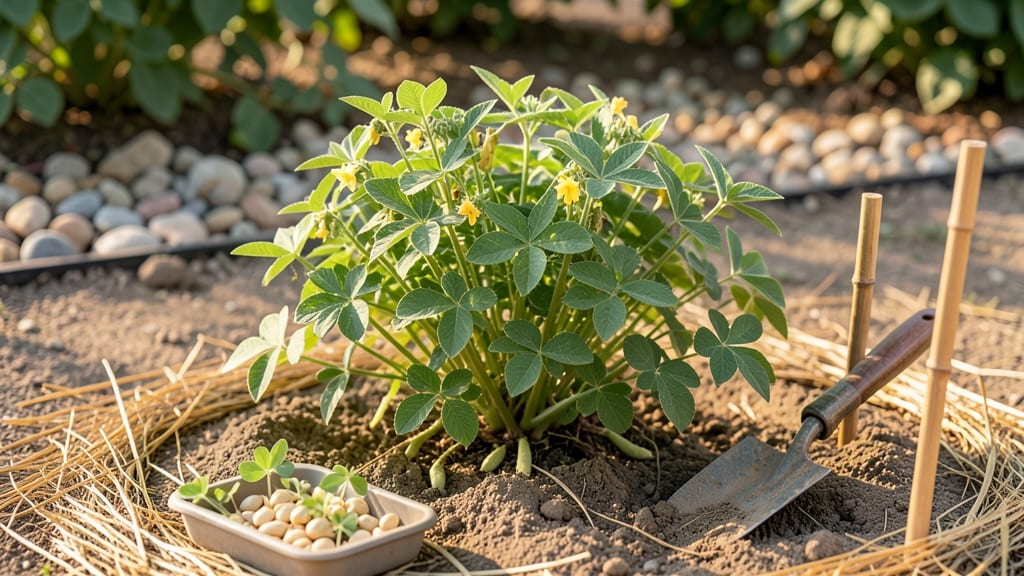
Planting peanuts in Georgia isn’t just about the season—it’s about timing your 🥜 crop to match the state’s unique climate zones and heat patterns. If you’re growing 120-day varieties like Georgia-06G, getting the dates right means the difference between a bountiful harvest and wasted effort.
The ideal window runs from late April through early June, but don’t just pick a date—soil temperature is the real game-changer. Peanuts need 70°F+ soil to germinate, and in Georgia’s 7b-8b zones, that typically means waiting until after the last frost (usually by mid-March).
Plant too early, and you risk cold damage; too late, and your harvest could face summer heat stress.
This guide breaks down the exact calendar for Georgia’s Coastal Plain vs. Piedmont regions, including how to adjust for wet springs or early heat waves. You’ll learn when to prep your soil, how to time irrigation, and why May planting often yields the best results for 120-day varieties.
Whether you’re a backyard gardener or a small-scale farmer, nailing your peanut planting schedule means more pods, fewer pests, and a harvest ready by September. Let’s get you started with the right steps.
Optimal Georgia peanut planting dates by USDA Zone 7b-8a
Georgia’s peanut-growing season hinges on precise timing—plant too early, and frost risks damage; too late, and yields suffer. For 120-day varieties like Georgia-06G or Georgia Red, aim for late April through early June when soil temperatures hit 70°F+.
This window ensures peanuts mature before Georgia’s first frost (typically mid-November in Zone 7b).
In Zone 7b (northern Georgia), target May 1-15 for peak harvests in September-October. Southern Georgia’s Zone 8a can start slightly earlier (late April), but avoid planting before soil warms consistently—cold soil stunts root growth. Use a soil thermometer to confirm readiness.
Mississippi’s USDA heat unit model (used for Georgia peanuts) calculates 2,500+ growing degree days (GDD) needed for 120-day varieties. Planting in early May in Zone 7b typically yields 2,600–2,800 GDD by harvest, while late June plantings may fall short (2,200 GDD).
Rainfall patterns also dictate timing. Georgia’s April-May showers provide ideal moisture for germination, but excessive rain delays planting—wait until soil dries enough to work without clumping. In drought years, prioritize irrigated fields for consistent moisture.
| USDA Zone | Optimal Planting Window | Soil Temp Requirement | Heat Units Needed | Harvest Window |
|---|---|---|---|---|
| 7b (North GA) | May 1–15 | 70°F+ (21°C) | 2,600–2,800 GDD | Sep 15–Oct 15 |
| 8a (South GA) | Late April–May 10 | 70°F+ (21°C) | 2,800–3,000 GDD | Sep 1–Oct 10 |
| Both Zones | Last frost date + 4 weeks | Minimum 65°F (18°C) | 2,500+ GDD required | Before first frost |
For home gardeners, align planting with Georgia’s agricultural calendar: Start seeds indoors 4–6 weeks before your target outdoor date (e.g., mid-March for Zone 8a, late March for Zone 7b). Transplant seedlings outdoors when they’re 4–6 inches tall and soil is warm and crumbly.
Use black plastic mulch to warm soil faster in cooler zones. Lay mulch 2–3 weeks before planting—it can raise soil temps by 5–10°F, accelerating germination. In Zone 7b, this lets you plant 1 week earlier than bare soil.
Late plantings (after June 1) risk immature harvests before frost. If you must delay, choose shorter-season varieties (e.g., Georgia Brown, 90-day) or use row covers to extend the season by 2–3 weeks.
Track your local first frost date (use Almanac’s Frost Calculator) and count backward 120 days to set your planting window. For example, if frost hits November 1, aim to plant by July
Optimal Georgia peanut planting dates by USDA Zone 7b-8a
Peanuts thrive in Georgia’s USDA Zones 7b-8a, but your exact planting window depends on whether you’re in the Coastal Plain (warmer) or Piedmont (cooler). For 120-day varieties, aim to plant when soil temps hit 70°F+—this usually lands in late April to early June.
In the Coastal Plain (e.g., Savannah, Brunswick), you can start as early as late April since soil warms faster. Meanwhile, the Piedmont region (e.g., Athens, Macon) often waits until mid-May to avoid cold snaps.
The key is to plant 4-6 weeks before your first frost to ensure a full 120-day growing season before winter sets in.
| Region | Best Planting Window | Soil Temp Requirement | Harvest Window |
|---|---|---|---|
| Coastal Plain (7b-8a) | Late April – Early May | 70°F+ (21°C+) | Late September – Early October |
| Piedmont (7b) | Mid-May – Early June | 70°F+ (21°C+) | Early October – Mid-October |
Use a soil thermometer to confirm temps—peanuts won’t germinate below 68°F. If your spring is wet, delay planting until the ground dries out to prevent fungal diseases like early leaf spot. Pro tip: May planting often yields the best results for 120-day varieties in most of Georgia.
For early harvests, some growers plant in late April using black plastic mulch to warm the soil faster. However, this risks heat stress if summer arrives early. Balance speed with stability—mid-May is the safest bet for most gardeners.
Remember, peanuts need 120-140 frost-free days to mature. In Georgia, this means planting no later than early June in the Piedmont or mid-June in the Coastal Plain. Use your local USDA heat unit calculator to fine-tune your schedule.
Once planted, maintain consistent moisture for the first 30 days—this is when roots establish. After that, reduce watering slightly to encourage pod development. Aim for 1 inch of water per week during dry spells.