
Plants
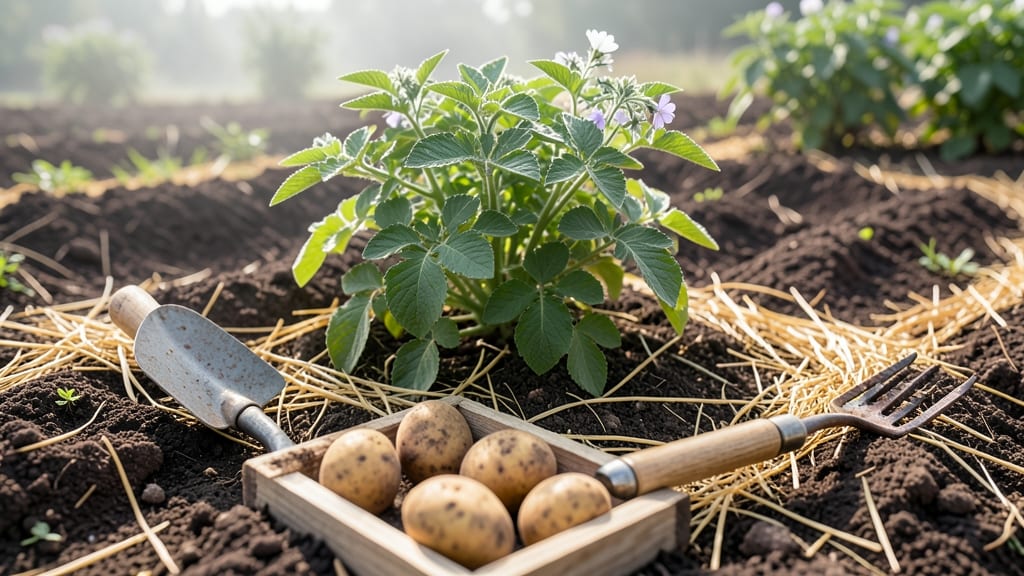
If you’ve ever wondered when to plant potatoes in California, the answer isn’t one-size-fits-all—thanks to the state’s dramatic shifts from coastal chill to inland heat. 🥔 Getting the timing right means the difference between a bumper harvest of crisp, homegrown spuds and a disappointing (or worse, rotten) crop.
Here’s the game-changer: California’s microclimates—think USDA Zones 8-10—mean coastal gardeners in San Francisco can plant as early as February, while inland valleys like Sacramento should wait until March. The key? Soil temperature (aim for 45°F) and frost risk, which varies wildly between regions.
Whether you’re a first-time gardener or a seasoned grower, nailing the planting window is the most important step. I’ll break down the exact weeks for your area—plus how to adjust for early vs. late varieties—so you can avoid common mistakes like stunted growth or missed harvests.
Let’s dive into the perfect planting schedule for your California zone, so you can enjoy homegrown potatoes from late spring to early summer without the guesswork.
California potato planting calendar by microclimate zone: exact weeks for success
California’s potato planting timeline isn’t one-size-fits-all—coastal regions like San Francisco and Santa Barbara have 300+ frost-free days, while inland valleys like Sacramento and Fresno face earlier frost risks. To maximize yields, align your planting with soil temperature thresholds (45°F/7°C minimum) and regional frost dates.
For coastal California, where winters are milder, you can start as early as mid-February for early varieties like Yukon Gold, while Central Valley gardeners should wait until mid-March to avoid frost damage. Desert regions like Palm Springs can even plant late March to April for fall harvests.
Here’s how to match your microclimate to the perfect planting window:
| Region | USDA Zone | Last Frost Date | Ideal Planting Window | Soil Temp Threshold | Notes |
|---|---|---|---|---|---|
| Coastal (San Francisco, Santa Barbara) | 9-10 | Mid-January | Late February–March | 45°F (7°C) | Milder winters; early planting possible |
| Central Valley (Sacramento, Fresno) | 8-9 | Mid-December | Mid-March–April | 45°F (7°C) | Wait for soil warmth; avoid late frosts |
| Desert (Palm Springs, Coachella) | 10-11 | None (year-round) | Late March–April (fall harvest) | 50°F (10°C) | Plant for fall harvest; use shade cloth |
| Northern Mountains (Lake Tahoe) | 7-8 | Early May | Late April–May | 50°F (10°C) | Short season; choose early varieties |
Timing isn’t just about frost—soil temperature is critical. Potatoes need 45°F (7°C) minimum to sprout consistently. Use a soil thermometer to confirm readiness, especially in cooler coastal or high-elevation areas where soil warms slowly.
For coastal gardeners, aim for 6-8 weeks before last frost (typically February–March) to ensure tubers mature before summer heat. In inland valleys, plant 4-6 weeks after last frost (usually March–April) to avoid stunted growth from summer heat stress.
Pro tip: Chit your seed potatoes (sprout indoors 4-6 weeks before planting) to jumpstart growth in shorter coastal seasons. This trick adds 2-3 weeks to your effective growing window—critical for late-harvest varieties like Russet Burbank.
Harvest timing varies too: Coastal potatoes are ready by May–July, while inland varieties mature June–August. Watch for flower fade and foliage yellowing—key signs it’s time to dig.
Regional water needs also shift with timing. Coastal areas may need daily watering in summer, while inland gardens can stretch water to every 3-5 days once established. Always water deeply in the morning to prevent fungal diseases.
By matching your planting window to your microclimate, you’ll avoid common failures like rot from cold soil or stunted growth from heat stress. Start with the right timing, and you’re halfway to a bounty of homegrown spuds!
How to adjust planting dates for early vs late varieties in California’s climate
Choosing the right potato variety and adjusting planting dates is key to avoiding summer heat stress—especially in California’s inland areas where temperatures can soar by June. Early varieties like 'Red Pontiac' mature in 60-70 days, while late varieties such as 'Russet Burbank' need 90-120 days.
Timing matters because inland zones (e.g., USDA Zone 8-9) risk tuber damage if planted too late.
For coastal gardeners (e.g., San Francisco, Zone 9-10), early varieties planted in February will harvest by May-June before summer fog sets in. Inland gardeners should opt for mid-season varieties like 'Yukon Gold' (80-90 days) and plant in late March to harvest by July-August, avoiding the hottest months.
Here’s how to match varieties to your region’s heat tolerance:
- Coastal (cool summers): Plant early varieties (60-80 days) in February-March for May-June harvests.
- Central Valley (hot summers): Plant mid-season (80-90 days) in March-April for June-July harvests.
- Desert (extreme heat): Stick to short-season (60-70 days) planted in February or use shade cloth.
Pro tip: Chitting (pre-sprouting) seed potatoes speeds up growth by 10-14 days, giving you a head start in shorter coastal seasons. Place seed potatoes in a cool, bright spot (50-60°F) 2-4 weeks before planting to encourage sprouts.
- 🥔 'Red Pontiac' (Early): Plant Feb (coastal) or Mar (inland); harvest May-June.
- 🌿 'Yukon Gold' (Mid): Plant Mar-Apr; harvest June-July.
- 🌡️ 'Russet Burbank' (Late): Plant late Mar (coastal) or Apr (inland); harvest July-Aug.
- ✂️ All varieties: Harvest 2 weeks before first frost in your zone.
If you’re in a high-desert zone (e.g., Palm Springs, Zone 10), avoid planting after April 15—temperatures above 85°F stunt tuber growth. Instead, opt for container growing with afternoon shade or plant in fall (September-October) for a winter harvest.
For successful succession planting, stagger varieties every 2-3 weeks in coastal areas. For example, plant 'Red Pontiac' in February, then 'Yukon Gold' in March for continuous harvests through July. This extends your potato season without overcrowding your garden.