
Plants
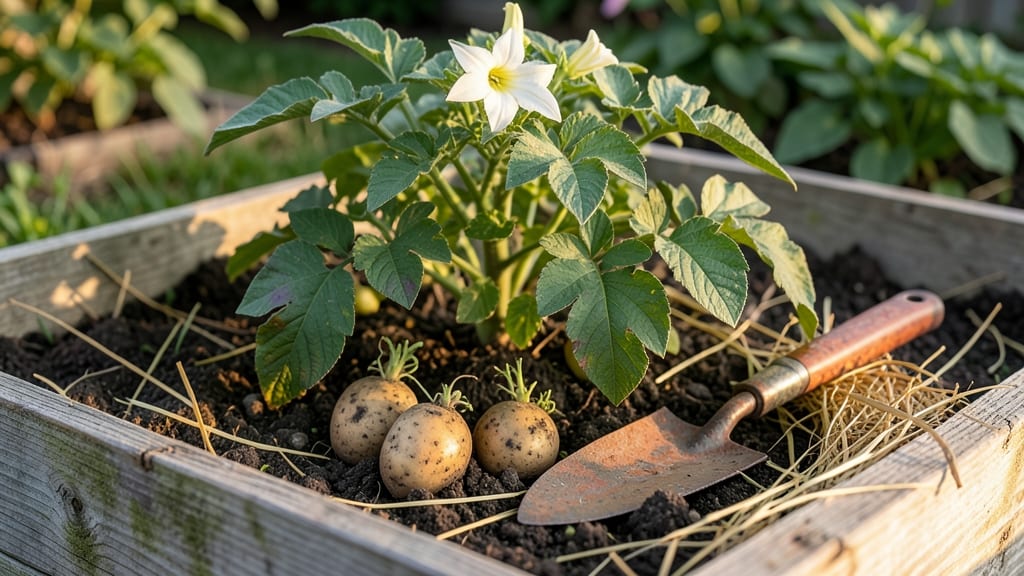
Timing when do you plant potatoes in Illinois isn't just about the calendar—it's about beating frost, soil warmth, and variety needs to guarantee a harvest you'll actually enjoy.
With USDA Zones 5-6 and spring frost dates that can shift from year to year, getting this right means the difference between a thriving crop and a sad, stunted pile of tubers.
Most Illinois gardeners know the general rule: plant potatoes 2-4 weeks before the last frost, but what that actually means depends on whether you're growing early varieties like Yukon Gold or late-season Kennebecs.
The key is understanding your local frost dates—typically around April 15—and adjusting for soil temperatures that need to hit at least 45°F for sprouts to thrive.
In this guide, I'll break down the exact planting windows you need, from February for hardy varieties to late April for late-season crops, plus how to tell when your soil is ready (spoiler: it's not just about the calendar).
Whether you're a first-time grower or a seasoned gardener, these Illinois-specific tips will help you avoid common mistakes and maximize your harvest.
Ready to dig in? Let's get your 🥔 potatoes in the ground at the perfect time—so you can enjoy fresh harvests from June through September without the guesswork. The secret to success starts now.
Illinois potato planting deadlines by variety type and frost dates
In Illinois, where USDA Zones 5-6 dominate, timing your potato planting is critical to avoid frost damage while maximizing tuber development.
The last spring frost date typically falls around April 15, but this shifts slightly depending on whether you're in Northern Illinois (Zone 5) or Southern Illinois (Zone 6).
For example, Chicago gardeners should aim for mid-April planting, while St. Louis gardeners can start slightly earlier in late March.
Potatoes thrive when soil temperatures reach 45°F (7°C)—a key threshold that usually aligns with late March to early April in most of Illinois.
Planting too early risks cold soil, which can stunt growth, while planting too late may result in smaller yields before the first frost in October. The solution? Match your variety type to the frost-free window.
Here’s the breakdown for early, mid-season, and late varieties, including their ideal planting windows and harvest timelines:
| Variety Type | Planting Window | Days to Maturity | Harvest Window | Notes |
|---|---|---|---|---|
| Early Varieties (e.g., 'Yukon Gold', 'Red Norland') | Late March - Early April | 60-90 days | Late June - Early July | Best for quick harvests; plant 2-3 weeks before last frost. |
| Mid-Season Varieties (e.g., 'Kennebec', 'Russet') | Early April - Mid-April | 90-110 days | July - Early August | Most popular; balance yield and storage life. |
| Late Varieties (e.g., 'Purple Viking', 'German Butterball') | Mid-April - Early May | 110-120 days | August - September | Highest yield; risk of early frost in Zone 5. |
For Northern Illinois gardeners (Zone 5), prioritize early and mid-season varieties to avoid the shorter growing season. In contrast, Southern Illinois (Zone 6) offers more flexibility, allowing late varieties to mature before the first frost.
Pro tip: Use row covers or black plastic mulch to warm soil faster in cooler microclimates.
If you’re unsure about your last frost date, check the National Weather Service or local Cooperative Extension Service for your county. Illinois State University’s Extension office also provides frost-free date maps tailored to specific regions.
For example, Dekalb (Zone 5a) has a later frost date than Springfield (Zone 6a), so adjust accordingly.
Another strategy is succession planting: Start with early varieties in late March, then follow with mid-season types in early April. This ensures a continuous harvest from June through September.
Just remember, potatoes need 60-120 days to mature, so plan backward from your first expected frost in October.
For container growing, plant seed potatoes in late April to avoid overheating in pots. Containers dry out faster, so monitor soil moisture closely. In-ground planting, however, allows for better tuber development and larger yields.
Finally, chit your seed potatoes (sprout them indoors) 4-6 weeks before planting to jumpstart growth. This is especially useful for late April plantings, as chitted potatoes emerge faster in cooler soil. Store them in a bright, cool (50-60°F) location with the cut side up to encourage sprouting.
By aligning your planting schedule with Illinois’ frost dates and variety maturity, you’ll avoid the most common pitfalls—frost damage, blight, and underdeveloped tubers—and enjoy a bountiful harvest every season. 🥔
How to adjust planting dates for Illinois microclimates and soil conditions
Illinois isn't one-size-fits-all when it comes to potato planting dates. While the general rule is 2-4 weeks before last frost, your exact timing depends on whether you're in Chicago's cooler Zone 5 or Southern Illinois' warmer Zone 6.
Even within these zones, microclimates matter—low-lying areas stay colder longer, while south-facing slopes warm up faster.
For Northern Illinois (Chicago area), aim to plant early varieties like Red LaSoda by March 15 to avoid frost damage. In Central Illinois (Springfield), you've got flexibility until April 1 for most varieties. Southern Illinois gardeners can push planting to April 15 thanks to warmer soils.
🌱 Soil temperature is your real deadline, not just frost dates. Use a soil thermometer—potatoes need 45°F+ soil for sprouts to emerge. Cold soil slows growth and invites rot. If your soil is still chilly by mid-April, wait it out rather than forcing early planting.
⚠️ Common Mistake: Planting Too Early
Planting before soil warms leads to stunted tubers and disease susceptibility. In Illinois, late March can still be too cold—wait until soil hits 45°F consistently, even if frost warnings remain.
💡 Pro Tip: Cover seed potatoes with straw mulch if planting early—it insulates against late frosts while letting soil warm gradually.
Elevation plays a hidden role too. Higher elevations (like northern Illinois) lose heat faster at night, while valleys hold cold air longer. If you're in a frost pocket, plant 2 weeks later than your zone's average. Test your microclimate by observing when daffodils bloom—they're a reliable soil-warming indicator.
For container growing, adjust dates 1 week earlier—potted soil warms faster than ground soil. But be ready to move pots indoors if frost threatens. Containers also dry out quicker, so monitor moisture closely during Illinois' unpredictable spring rains.
Finally, soil type affects planting readiness. Sandy soils warm up faster than clay, so sandy areas can plant 10-14 days earlier. Amend heavy clay with compost to improve drainage and warmth retention. The goal? Well-draining, 45°F+ soil at planting depth.
🌡️ Quick Check: Press your finger into soil—if it feels cool to the touch at 4 inches deep, wait another week. Your potatoes will thank you with larger, disease-resistant tubers and a harvest window from June through September.