
Plants
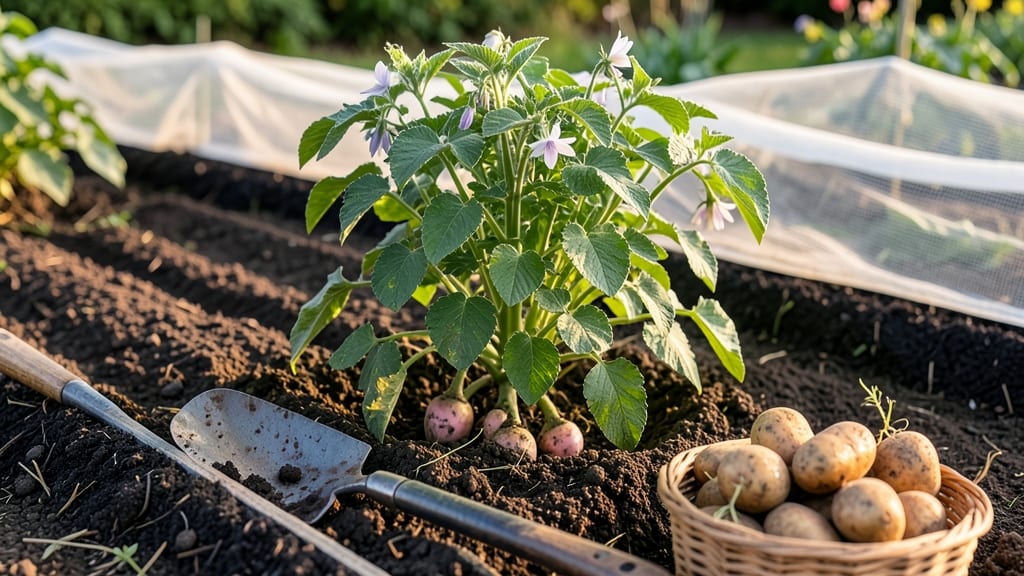
If you’ve ever wondered when to plant potatoes in Iowa, timing isn’t just a guess—it’s the difference between a bountiful harvest and a wasted season. With Iowa’s unpredictable 5a-5b climate, planting too early risks frost damage, while waiting too long cuts your growing window short.
Most Iowa gardeners aim for late April to early May, once soil temperatures hit 45°F and the last frost has passed. But here’s the catch: early varieties like Yukon Gold can handle cooler soils, while late-season types need warmer conditions to thrive.
In this guide, I’ll break down the exact weeks before your last frost to plant for maximum yield, plus how to adjust for Iowa’s wet springs or early freezes. You’ll also discover soil prep secrets and variety choices that work best in your zone.
Ready to turn your 🥔 patch into a high-yielding garden? Let’s get started with the steps that’ll make all the difference in your harvest.
Iowa’s last frost dates by zone: exact weeks to plant potatoes for best growth
Understanding Iowa’s frost zones is key to planting potatoes at the perfect time. The state spans USDA zones 4a-5b, meaning northern regions (like Sioux City) face later last frosts than southern areas (like Des Moines).
For maximum tuber production, aim to plant 2-4 weeks before your average last frost date, but never before soil warms to 45°F.
Iowa State University Extension recommends using 1971-2000 climate data for planning. Northern Iowa’s last frost typically falls around May 15, while southern Iowa sees it by April 20. This means your planting window shifts from late March in the south to mid-April in the north.
For most gardeners, this translates to April 15-May 1 as the sweet spot.
Here’s how to translate frost dates into actionable planting weeks for your specific zone:
| Zone | Avg. Last Frost | Planting Window | Soil Temp. Goal | Best Varieties |
|---|---|---|---|---|
| North (4a-4b) | May 15 | April 20-May 1 | 45-50°F | Yukon Gold, Kennebec |
| Central (5a) | April 25 | April 1-May 10 | 45°F+ | Red Norland, Fingerling |
| South (5b) | April 10 | March 20-April 15 | 40-45°F | Russet Burbank, Purple Viking |
For early varieties, you can push planting to 3 weeks before frost—just cover seedlings with frost cloth if nights dip below 32°F. Late varieties need 90+ days to mature, so plant them no later than May 15 in northern Iowa to avoid fall frosts.
Use Iowa State’s frost calculator for your exact county if you’re unsure.
Soil temperature matters more than calendar dates. Test with a soil thermometer—potatoes won’t sprout below 45°F. In Iowa’s clay-heavy soils, warmth lingers longer, so don’t rush planting. Wait for consistent daytime highs of 50°F+ to ensure strong germination.
Pro tip: Chit your seed potatoes (expose to light for 2-3 weeks before planting) to jumpstart growth. This gives you a 2-week head start on the season, critical in Iowa’s short growing window. Store them in a cool, dark place (like a basement) until you’re ready to plant.
If you’re in zone 4a (northwest Iowa), consider container growing for earlier planting. Containers warm faster and let you move plants indoors if frost threatens. Just use sterile potting mix to prevent disease in Iowa’s humid springs.
For succession planting, stagger varieties every 2 weeks after your initial planting. This extends your harvest from July through September, beating Iowa’s unpredictable weather. Plant fast-maturing types first (like Red LaSoda at 60 days) followed by longer-season varieties (like Russet at 110 days).
Remember: Iowa’s growing season averages 165 frost-free days. Plan your potato schedule to fit this window—don’t let late blights or early frosts steal your harvest. With precise timing, you’ll enjoy homegrown spuds from July through October!
How to choose potato varieties for Iowa’s short growing season
Iowa’s short 165-day growing season means selecting the right potato varieties can make or break your harvest. Early-maturing types like Yukon Gold or Red Norland thrive in our 5a-5b climate, while late-season varieties risk stunting before frost.
The key? Match your planting time to the variety’s days to maturity—typically 60-120 days for Iowa.
For early planting (late April), choose cold-hardy varieties like Kennebec or Russet Burbank, which tolerate cooler soils. If you’re planting after May 1st, opt for fast-maturing types such as New Potato or Finnish Yellow to ensure harvest before frost.
Succession planting with 3-4 week intervals extends your harvest window by up to 6 weeks.
Here’s how to pick the best varieties for your Iowa garden, based on your planting schedule and harvest goals:
Choose cold-tolerant varieties like Kennebec (100 days) or Red LaSoda (90 days). These handle 45°F soil and thrive in Iowa’s cool springs.
Opt for versatile varieties like Yukon Gold (85 days) or Red Pontiac (90 days). Ideal for maincrop harvests in July-August.
Select fast-maturing types like Finnish Yellow (60 days) or New Potato (70 days). Perfect for short-season gardens or succession planting.
For long-term storage, pick Russet Burbank or Kennebec. For fresh eating, Yukon Gold or Red Norland excel.
Pro tip: Iowa State University Extension recommends planting certified seed potatoes to avoid diseases like Potato Scab, common in our clay-heavy soils. Cut seed potatoes 2 weeks before planting and let them callous over—this speeds up sprouting and ensures stronger starts.
Don’t overlook organic varieties like Adirondack Blue for unique flavors or Purple Majesty for vibrant, nutrient-rich tubers. These thrive in Iowa’s rich loam soils and add diversity to your harvest. Just be prepared for slightly shorter storage life compared to standard varieties.
For maximum yield, rotate your potato varieties yearly to prevent soil-borne diseases. Pair early harvesters with late-season keepers to balance your garden’s productivity throughout the summer. With the right choices, you’ll turn Iowa’s challenging climate into your potato-growing advantage.