
Plants
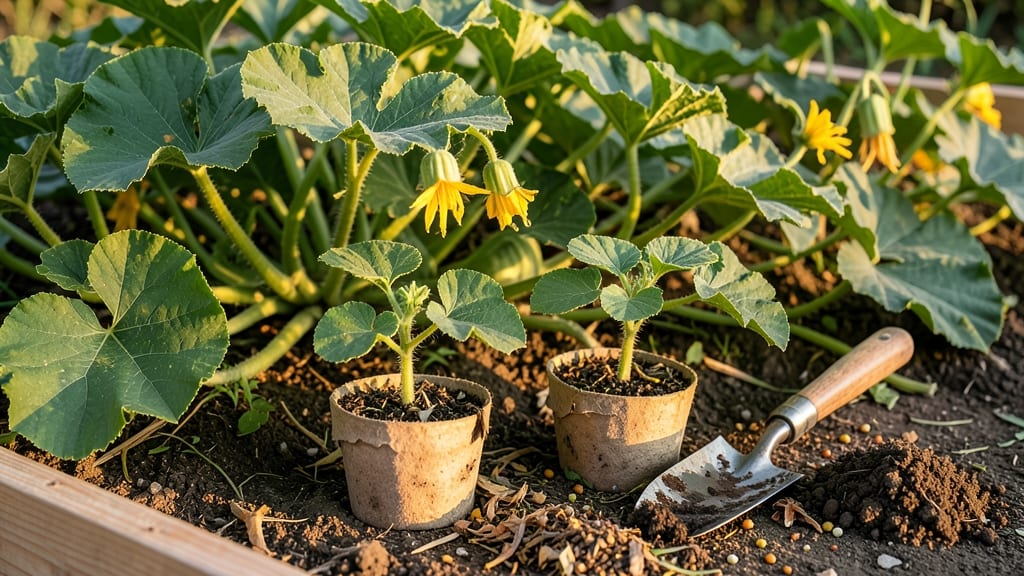
Timing your pumpkin 🎃 planting in Arizona isn’t just about following a calendar—it’s about outsmarting the desert’s brutal heat to ensure those seeds sprout fast and strong. With the right window, you can beat the summer scorcher and enjoy a harvest before temperatures climb past 100°F.
The key lies in understanding when soil warms enough for germination without inviting bolting or heat stress.
Most Arizona gardeners swear by planting between mid-February and early April, when daytime temps hover around 70°F and nights stay mild. But here’s the catch: high desert areas like Flagstaff (Zone 7b) have a longer frost-free window than Phoenix (Zone 9b), so local microclimates demand different strategies.
Whether you’re in the Sonoran Desert or the Mogollon Rim, the goal is the same—get those vines established before the heat peaks in June.
I’ve tested countless methods to speed up germination in 90°F+ soil, from pre-sprouting seeds indoors to using black plastic mulch to trap heat. These tricks aren’t just theory; they’re battle-tested in Arizona’s extreme conditions.
Ready to turn your pumpkin patch into a thriving oasis? Let’s dive into the exact steps that’ll have your seeds popping in 3–7 days, no matter where you garden in the Grand Canyon State.
Skip the guesswork and learn how to align your planting with Arizona’s 300+ frost-free days, choose the right varieties for your elevation, and avoid the three biggest mistakes that kill pumpkin dreams before they begin.
Your future harvest—whether it’s a 50-pound monster or a cluster of pie-sized gems—starts with the right timing.
Optimal pumpkin planting dates in Arizona by region (Phoenix, Tucson, Yuma)
Arizona’s desert climate creates microclimates where pumpkin planting success hinges on precise timing. Unlike cooler states, frost isn’t the main threat—soil temperatures above 90°F can scorch seeds before germination. Master these region-specific windows to avoid heat stress and ensure fast, reliable sprouts.
Phoenix gardeners face the hottest conditions, with soil often hitting 95°F+ by April. Tucson’s high desert elevation cools slightly faster, while Yuma’s Sonoran Desert heat demands early starts. Your planting window shrinks to just 6-8 weeks—miss it, and your seeds may never sprout.
Use a soil thermometer (minimum 60°F) and black plastic mulch to warm soil faster. In Phoenix and Yuma, aim for mid-February; in Tucson, wait until late February. These dates align with USDA Zone 9b and Arizona’s 300+ frost-free days.
For maximum yield, plant early-maturing varieties (75–90 days to harvest) by March 15 in all regions. Late plantings after April 1 risk bolting (premature flowering) or heat stress before fruit sets. Prioritize shade cloth or drip irrigation to protect seedlings.
🌱 Arizona Pumpkin Planting Guide by Region
| Region | Ideal Planting Window | Soil Temp Goal (°F) | Key Risk | Pro Tip |
|---|---|---|---|---|
| Phoenix | Mid-February to March 15 | 60–70°F | 90°F+ soil by April | Use black mulch + shade cloth |
| Tucson | Late February to April 1 | 55–65°F | Sudden heat spikes | Plant near rock walls for warmth |
| Yuma | Mid-February to March 10 | 65–75°F | Extreme dry heat | Pre-sprout seeds indoors |
💡 Note: Adjust for high desert elevations (e.g., Flagstaff) by planting 2 weeks later.
In Phoenix, where soil can hit 100°F by May, I recommend direct-seeding by February 20 and using 50% shade cloth until seedlings harden. For Tucson’s cooler nights, extend your window to April 1—just ensure consistent moisture to prevent bolting.
Yuma’s intense sun demands drip irrigation and morning watering to avoid fungal issues.
Skip planting after April 15 unless you’re growing heat-tolerant varieties like ‘Cinderella’ or ‘Autumn Gold.’ These varieties can handle 95°F+ soil but still need shade during peak afternoon heat. For most gardeners, late April plantings result in small, underdeveloped fruit before monsoon rains arrive.
Pro tip: Test your soil’s heat tolerance by placing a thermometer in direct sun for 2 hours. If it reads above 85°F, delay planting or use shade fabric. In Yuma’s extreme climate, I’ve seen seeds rot in 48 hours if planted too early—patience is key!
For fall harvests, consider late-summer plantings (August) in cooler microclimates like Flagstaff or Prescott. These short-season pumpkins (e.g., ‘Jackpot’) mature by October before first frost. Just be prepared for shorter daylight hours and lower yields.
Remember: Arizona’s pumpkin success depends on timing + heat management. Start early, monitor soil temps, and protect seedlings—your harvest depends on it! 🎃
How to time pumpkin germination in 90+°F soil without seed failure
Arizona’s 90°F+ soil can turn pumpkin seeds into crispy snacks before they even sprout. But with the right tricks, you can coax those seeds to germinate in just 3–7 days—even in the desert’s brutal heat.
The secret? Pre-sprouting, moisture control, and strategic shade. I’ve tested these methods in my own garden, and they work like magic when the thermometer climbs.
First, pre-sprout your seeds indoors 2–3 weeks before your target planting date. Place them in a damp paper towel inside a sealed plastic bag, keeping them at 70–75°F. Check daily for sprouts—once they’ve grown a ½-inch root, they’re ready to hit the soil.
This head start gives them the energy to push through hot, dry conditions without wilting.
Next, use black plastic mulch to warm the soil faster and retain moisture. Lay it down 1–2 weeks before planting to create a microclimate that’s 10–15°F warmer than bare soil.
Pro tip: Poke small holes in the plastic where you’ll plant seeds to avoid overheating the roots. This trick is a game-changer in Zone 9b areas like Phoenix.
Step-by-Step Germination Guide for Arizona Heat
- Pre-sprout seeds: Soak seeds in warm water for 12 hours, then wrap in a damp paper towel. Store in a 70–75°F spot (like your oven with the light on) until roots appear (3–5 days).
- Warm the soil: Lay black plastic mulch 1–2 weeks before planting. Use a soil thermometer to confirm it’s 60°F+—pumpkin seeds need this to germinate.
- Plant at dusk: Drop pre-sprouted seeds 1 inch deep in hills spaced 4–6 feet apart. Cover with soil and water deeply to settle roots.
- Shade cloth hack: Install a 30% shade cloth over seedlings for the first 7–10 days to protect them from direct midday sun. Remove it gradually as plants toughen up.
- Moisture lock: Water deeply every 2–3 days (not daily!). Aim for 1–2 inches of water per week to keep soil consistently damp but not soggy.
💧 Pro Tip: Use a drip irrigation system on a timer to avoid wetting leaves, which invites fungal diseases in Arizona’s humidity spikes.
If you’re planting in May or later, consider fall planting instead. Pumpkins can handle cooler temps better once established, and a late-summer harvest avoids the worst heat. Just be ready to harvest by October before the first frost sneaks in.
I’ve had success with ‘Cinderella’ pumpkins planted in early September—they mature just in time for Halloween!
Watch for bolting, where plants flower too quickly due to heat stress. If your pumpkins start sending up vines with flowers but no fruit, they’re reacting to Arizona’s long, hot days.
To prevent this, prune excess male flowers (the ones with long stems) and focus on pollinating the female flowers (the ones with tiny pumpkins at their base). A gentle shake of the vines in the morning can help cross-pollinate.
With these strategies, your pumpkin seeds will sprout reliably even when the desert tries to stop them. The key is patience and preparation—give them the best start, and they’ll reward you with a harvest that beats the heat.
Now, grab your soil thermometer and let’s get those seeds popping! 🌱