
Plants
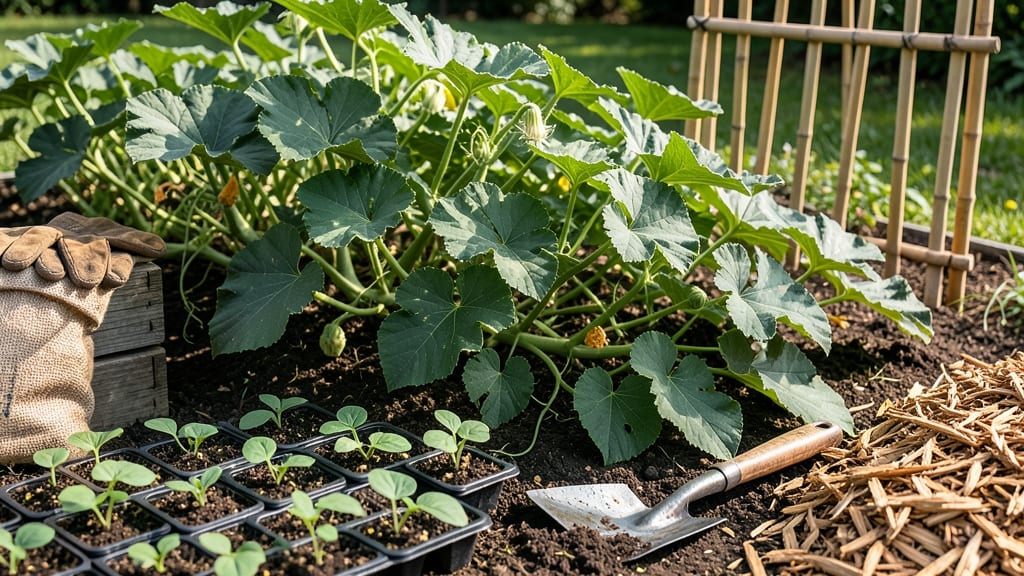
Planting pumpkins in Illinois at the wrong time could mean the difference between a thriving 🎃 harvest and a sad, frost-killed vine before it even blooms.
With the state’s varying microclimates and USDA zones 5-6, timing your seeds is more than just guessing—it’s about knowing when the soil warms and frost risks fade.
Most Illinois gardeners swear by the late April to mid-June window, but that’s not a one-size-fits-all rule. Northern Illinois’ cooler springs demand patience, while southern regions can sometimes push planting a little later.
The key? Waiting until soil temperatures hit at least 60°F—any earlier, and your pumpkin seeds will sulk in the cold.
Whether you’re growing ‘Howden’ for quick harvests or giant varieties like ‘Atlantic Giant,’ this guide breaks down the exact frost-free deadlines by zone. I’ll also share pro tips to extend your growing season—because nobody wants to lose their pumpkin patch to an early October chill.
Ready to avoid the common mistakes that leave Illinois gardeners scratching their heads in October? Let’s dive into the perfect planting schedule for your zone, plus variety-specific tricks to maximize your harvest.
Illinois pumpkin planting deadlines by hardiness zone (USDA 4-7)
Illinois spans USDA zones 4 through 7, meaning your last frost dates can vary by 2-3 weeks depending on location. For northern Illinois (zones 4-5), like Chicago or Rockford, aim to plant pumpkins after May 15—when soil temperatures consistently hit 60°F.
In central and southern Illinois (zones 6-7), you can start as early as late April in areas like Springfield or Champaign.
Pumpkins need 90-120 frost-free days to mature, so timing is critical. A late frost in May can devastate early plantings, while waiting too long risks immature pumpkins before first frost in October. Use your local cooperative extension service (like UI Extension) for precise frost dates—these vary yearly.
For direct sowing (planting seeds outdoors), wait until all danger of frost has passed and soil is warm. If you're transplanting seedlings, start them indoors 4-6 weeks before your last frost date.
Northern Illinois gardeners should begin seeds indoors by early April, while southern Illinois can start outdoors by late April.
Here’s a quick reference for Illinois planting deadlines by zone:
| USDA Zone | Last Frost Date | Ideal Planting Window | Transplant Deadline | Harvest Window |
|---|---|---|---|---|
| Zone 4 (Northern IL) | May 15 - June 1 | Late May - Early June | June 15 | Late Sept - Early Oct |
| Zone 5 (Central IL) | April 20 - May 5 | Late April - Early May | May 15 | Mid-Sept - Mid-Oct |
| Zone 6 (Southern IL) | April 1 - April 15 | Late March - Early April | April 30 | Early Sept - Late Oct |
| Zone 7 (Far Southern IL) | March 15 - April 1 | Early March - Late March | April 15 | Late Aug - Early Nov |
If you’re growing giant pumpkins (like ‘Atlantic Giant’), plant them as late as possible—these varieties need 120+ days and thrive in longer, warmer seasons. For small pumpkins (e.g., ‘Jack Be Little’), you can plant 2-3 weeks earlier since they mature in 75-90 days.
Pro tip: Use a soil thermometer to confirm soil temps. Pumpkin seeds won’t sprout until soil hits 60°F, and cooler soil can delay germination by weeks. If your spring is slow to warm, consider black plastic mulch to speed up soil heating.
For container growing, start seeds indoors 6-8 weeks before your last frost date. Dwarf varieties like ‘Jack Be Little’ can thrive in 5-gallon pots, but standard pumpkins need at least 100-gallon containers to accommodate their sprawling vines.
Remember: Northern Illinois gardeners should prioritize early-maturing varieties, while southern Illinois can experiment with larger, slower-growing types. Always account for microclimates—urban areas may frost later than rural spots due to heat island effect.
🎃
Best pumpkin varieties for Illinois gardens & their planting quirks
Not all pumpkins thrive equally in Illinois’ short-to-medium growing seasons and variable frost dates. Choosing the right variety ensures you avoid underdeveloped fruit or frost damage before harvest.
For example, ‘Howden’ matures in just 85 days, perfect for northern Illinois’ USDA Zone 4, while ‘Atlantic Giant’ needs 120 days and suits warmer southern zones.
Your planting method also depends on the variety. Dwarf types like ‘Jack Be Little’ (3-5 ft vines) can be transplanted 2-3 weeks earlier than sprawling varieties, giving them a head start. Meanwhile, giant pumpkins like ‘Mammoth Gold’ demand warmer soil temps (70°F+) and later planting to avoid early blight.
Here’s how to match varieties to Illinois’ microclimates and garden constraints, including spacing needs and direct-sow vs. transplant rules:
| Variety | Days to Harvest | Best Planting Method | Spacing Needs | Illinois Zone Fit |
|---|---|---|---|---|
| ‘Howden’ (Small Carving) | 85-90 | Direct sow after last frost or transplant 2 weeks early | 3-4 ft apart | Zones 4-6 (short season) |
| ‘Jack Be Little’ (Dwarf) | 80-85 | Transplant 3-4 weeks before last frost (container-friendly) | 2-3 ft apart | Zones 4-7 (containers/patios) |
| ‘Sugar Pie’ (Pie Pumpkin) | 90-100 | Direct sow after soil hits 60°F or transplant 1 week early | 4-5 ft apart | Zones 5-7 (medium season) |
| ‘Cinderella’ (Large Carving) | 100-110 | Direct sow after last frost (needs long season) | 5-6 ft apart | Zones 5-6 (warmer microclimates) |
| ‘Atlantic Giant’ (Giant) | 120+ | Start indoors 4-6 weeks before last frost; transplant after soil hits 70°F | 10-12 ft apart | Zones 6-7 (long season) |
For northern Illinois (Zones 4-5), prioritize early-maturing varieties like ‘Howden’ or ‘Jack Be Little’ to beat frost. In southern Illinois (Zones 6-7), you can experiment with larger varieties like ‘Cinderella’ or even ‘Atlantic Giant’ if you start seeds indoors in March.
Pro tip: Use black plastic mulch to warm soil faster for late-starting varieties. This trick adds 1-2 weeks to your growing season—critical for giant pumpkins that need every extra day. Just avoid mulching until soil temps stabilize above 55°F to prevent rot.
If you’re growing pumpkins for Halloween displays, opt for ‘Gladiator’ or ‘Jarrahdale’ (90-day varieties) and plant 2-3 weeks earlier than your last frost date. These varieties tolerate cooler soils better than giant types, giving you more flexibility in northern Illinois.