
Plants
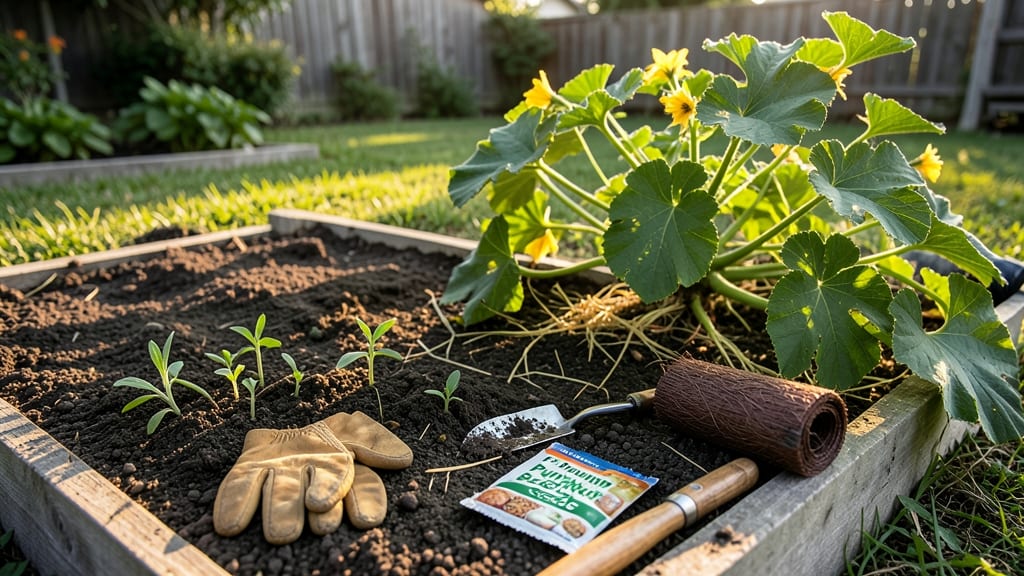
Planting pumpkins in Kentucky at the wrong time can mean frost-nipped seedlings or a harvest that never arrives. The perfect window for your 🎃 crop is just mid-April to early May, right after the last frost—though late June still works for fall harvests if you choose fast-maturing varieties.
Why does timing matter so much? Kentucky’s USDA Zones 6a-7a mean your pumpkins need at least 90 days of warm weather to thrive. Plant too early, and a late frost could wipe out your seedlings; too late, and you’ll miss peak growing season.
The key is waiting until soil temperatures hit 70°F and frost risk is gone.
In this guide, I’ll break down the exact planting schedule for your zone, plus soil prep tips and variety recommendations to maximize your harvest. Whether you’re growing pumpkins for carving or baking, getting the timing right is the first step to a bountiful fall crop.
Let’s dive into the frost-free deadlines and soil secrets that will set your pumpkin patch up for success—no guesswork required.
Kentucky pumpkin planting deadlines by hardiness Zone (frost-free date guide)
Kentucky’s USDA Zones 6a-7a create a 14-day window for planting pumpkins—miss it, and you risk frost damage or stunted growth. The last spring frost typically hits mid-April, but soil must warm to 70°F before seeds sprout reliably.
For fall harvests, aim to plant mid-April to early May—this gives pumpkins 90-120 days to mature before Kentucky’s first frost (mid-October). Late plantings (after June) may yield smaller pumpkins but still work for pie or cooking varieties.
Your local microclimate matters: Northern Kentucky (Zone 6a) has earlier frosts than Louisville (Zone 7a). Check your last frost date using the summary table below—it’s your planting deadline.
🌱 Kentucky Pumpkin Planting Deadlines by Zone
| Zone | Last Frost Date | Ideal Planting Window | Soil Temp Requirement | Harvest Window |
|---|---|---|---|---|
| 6a (Northern KY) | April 10-15 | April 20 - May 5 | 70°F+ | Sept 20 - Oct 10 |
| 6b (Central KY) | April 15-20 | April 25 - May 10 | 70°F+ | Sept 25 - Oct 15 |
| 7a (Southern KY) | April 20-25 | May 1 - May 15 | 70°F+ | Oct 1 - Oct 20 |
💡 Pro Tip: Use a soil thermometer to confirm 70°F+ soil temps before planting.
If you’re planting transplants (not seeds), wait until after May 15—young plants are frost-sensitive and need 30+ days to establish roots before harvest. For direct sowing, drop seeds 1 inch deep in hills spaced 4-6 feet apart.
Northern Kentucky gardeners should prioritize fast-maturing varieties (e.g., 'Jack Be Little', 'Small Sugar') to beat early frosts. Southern Kentucky growers can experiment with larger varieties like 'Howden' or 'Gladiator' for classic jack-o’-lanterns.
Monitor your pumpkin vines for powdery mildew—Kentucky’s humid summers create prime conditions. Space plants adequately and use mulch to prevent soil-borne diseases from splashing onto leaves.
For late plantings, choose 75-day varieties and sow seeds after June 15. These pumpkins will mature in late September, just before frost, and are perfect for cooking or canning.
Remember: Pumpkins need sunlight—plant in full sun (6-8+ hours/day) and avoid shaded spots. A south-facing garden bed is ideal for Kentucky’s climate.
Track your planting date and harvest window using a gardening journal. Adjust next year’s schedule based on your success—Kentucky’s unpredictable weather means flexibility is key!
Kentucky pumpkin planting deadlines by hardiness Zone (frost-free date guide)
Kentucky’s USDA Zones 6a-7a create a 60-day window for pumpkin planting, but timing varies by region. Northern Kentucky (Zone 6a) has a later last frost (April 20-30), while southern areas (Zone 7a) can plant 1-2 weeks earlier.
The golden rule? Wait until soil temps hit 70°F—cold soil slows germination and invites rot.
For most of Kentucky, that means mid-April to early May for direct sowing. If you’re transplanting seedlings, aim for late May—but only if your plants are 3-4 weeks old and hardened off. Transplants struggle in Kentucky’s humid summers, so direct sowing is often better.
Here’s your zone-specific planting timeline to avoid frost damage and maximize harvest:
| Zone | Last Frost Date | Ideal Planting Window | Soil Temp Goal | Harvest Window |
|---|---|---|---|---|
| 6a (Northern KY) | April 20-30 | May 1-15 | 70°F+ | Late Sept-Oct |
| 6b (Central KY) | April 10-20 | April 25-May 10 | 70°F+ | Late Sept-Oct |
| 7a (Southern KY) | March 25-April 5 | April 15-May 1 | 70°F+ | Early Oct |
Missed the spring window? No problem! Kentucky’s late June planting still yields pumpkins for fall harvests if you choose fast-maturing varieties (75-90 days to maturity). Just be ready to harvest by mid-October before the first frost hits.
Pro tip: Use a soil thermometer to confirm temps—pumpkin seeds need warm soil to sprout. If your garden stays cool, try black plastic mulch to heat the soil faster. Kentucky’s humid climate also means pumpkins need well-draining soil to avoid fungal diseases like powdery mildew.
For maximum yield, space hills 4-6 feet apart and plant 2-3 seeds per hill. Thin to the strongest seedling once sprouts emerge. With the right timing, you’ll be carving pumpkins by Halloween—just in time for the Kentucky Pumpkin Festival vibes!