
Plants
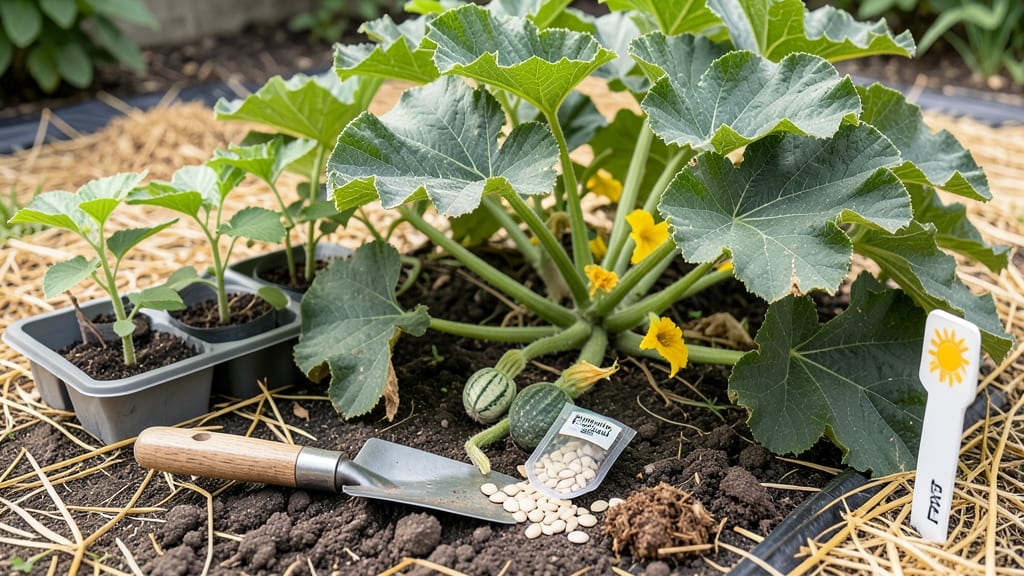
Planting pumpkins in Utah isn’t just about timing—it’s about outsmarting the state’s unpredictable climate shifts that can turn a thriving vine into a sad, wilted mess overnight.
Whether you're in the high desert or a mountain valley, getting those seeds in the ground at the right moment means the difference between a bumper crop and a bust.
The key is knowing your microclimate’s last frost date—typically mid-April to early May—but adjusting for altitude and soil warmth makes all the difference.
Most Utah gardeners swear by starting pumpkin seeds indoors 4-6 weeks before the last frost, then transplanting when soil temperatures hit 55°F or warmer. But here’s the catch: high-altitude areas like the Wasatch Front need a longer head start, while southern Utah’s warmer pockets might let you direct-sow earlier.
I’ll break down exactly when to plant based on your specific zone, so you avoid the heartbreak of frost-nipped seedlings or vines that bolt before harvest.
What you’ll discover here is how to sync your planting schedule with Utah’s quirky weather patterns—think sudden cold snaps in May or early heatwaves that trick pumpkins into thinking it’s summer.
We’ll cover everything from soil prep to seedling protection, so your pumpkins grow strong enough to handle whatever Utah throws their way. Ready to turn your backyard into a pumpkin patch that rivals the pros?
Let’s dive into the exact deadlines and strategies that’ll help your pumpkins 🌱 thrive, no matter where you’re gardening in the Beehive State. Spoiler: the right timing isn’t just about the calendar—it’s about reading the land.
Utah pumpkin planting deadlines by microclimate zone
Utah’s four distinct microclimates create wildly different pumpkin-growing conditions. In the high desert of Cache Valley, you might plant weeks earlier than in the Wasatch Front, where late frosts linger.
The key is matching your planting dates to soil temperatures (aim for 55°F+) and your local last frost date, which can vary by 2-3 weeks across the state.
For most Utahans, the optimal planting window falls between mid-April and mid-May, but high-altitude gardeners in Logan or Park City should wait until late May to avoid frost damage.
Southern Utah’s warmer microclimate (like St. George) allows for earlier plantings as early as mid-March, while the Wasatch Front often waits until late April.
Here’s how to align your planting with Utah’s unique zones:
| Zone | Last Frost Date | Direct Sow Window | Transplant Window | Soil Temp Threshold |
|---|---|---|---|---|
| High Desert (e.g., Cache Valley) | Mid-May | Late April - Early May | Early May | 55°F+ |
| Wasatch Front (e.g., Salt Lake City) | Late April - Early May | Mid-April - Late May | Late April - Early May | 55°F+ |
| Southern Utah (e.g., St. George) | Mid-March | Mid-March - Early April | Late March | 60°F+ |
| Mountain Valleys (e.g., Park City) | Late May - Early June | Late May | Early June | 60°F+ |
I’ve found that direct sowing works best for Utah’s short season, but if you’re in a cooler zone like the Wasatch Front, starting seeds indoors 3-4 weeks before your last frost date gives vines a head start. Use biodegradable pots to avoid transplant shock when moving seedlings outdoors.
Pro tip: Test your soil temperature with a soil thermometer—pumpkin seeds need consistent warmth to germinate. If your soil is still chilly, try a black plastic mulch to warm it up faster. I’ve seen 10°F+ differences between mulched and unmulched beds by mid-May!
For high-altitude gardens, consider fast-maturing varieties like ‘Early Sweetcake’ (75 days) or ‘Small Sugar’ (80 days). These give you a better chance of harvest before Utah’s first frost, which can arrive as early as mid-October in mountain valleys.
One mistake I’ve seen Utah gardeners make is planting too late. If you wait until June, your pumpkins may not mature before frost.
Use your local Cooperative Extension office for precise frost dates—Salt Lake County’s average last frost is May 15th, but Davis County can be a week later.
Finally, remember that Utah’s dry climate means pumpkins need deep, consistent watering. Mulch heavily to retain moisture—this is especially critical in the high desert, where evaporation rates are high.
🌱
Utah pumpkin planting deadlines by microclimate zone
Utah’s four distinct microclimates create wildly different pumpkin-growing conditions. Whether you’re in Salt Lake City’s mountain valleys or St. George’s desert heat, planting at the wrong time can mean the difference between a bountiful harvest and wasted seeds.
The golden rule? Plant when soil temperatures hit 55°F+ and all frost risk has passed—but Utah’s altitude variations complicate things.
Most Utah gardeners follow local frost-free averages, but I’ve seen pumpkins thrive in southern Utah by late March while Wasatch Front gardeners wait until mid-May. The key is adjusting for your specific zone while accounting for soil warmth, which lags behind air temperatures in high-altitude areas.
Let’s break down the exact deadlines for each Utah microclimate, including when to start seeds indoors versus direct-sowing outdoors.
| Zone | Last Frost Date | Soil Temp Threshold | Indoor Start Date | Outdoor Planting Window |
|---|---|---|---|---|
| High Desert (e.g., St. George) | Mid-March | 55°F+ (earlier) | Late February | Late March - Early April |
| Southern Utah (e.g., Cedar City) | Early April | 55°F+ | Late March | Mid-April - Early May |
| Wasatch Front (e.g., Salt Lake City) | Mid-May | 60°F+ (warmer soil needed) | Early April | Late May - Early June |
| Mountain Valleys (e.g., Ogden) | Early June | 65°F+ (longer wait) | Late April | Early June - Mid-June |
Note: Adjust 1-2 weeks earlier for direct-sowing in warm microclimates.
For direct-sowing outdoors, Utah’s high desert and southern regions often allow planting as early as late March, while mountain valleys may need to wait until June. I’ve had success in St. George by planting seeds 2 inches deep in black plastic mulch to warm the soil faster.
In higher elevations, opt for transplanting seedlings instead—this gives vines a head start before the short growing season cuts them off.
Pro tip: Use a soil thermometer to confirm readiness. Pumpkin seeds need consistent warmth to germinate, and Utah’s cool nights can stall growth. If your soil hasn’t warmed by your zone’s ideal window, extend the season with row covers or a cold frame.
I’ve seen gardeners in Park City push their harvest by 3 weeks using these tricks—worth the extra effort for that perfect jack-o’-lantern! 🎃
Remember, Utah’s weather is unpredictable. Even if your neighbors plant in early May, a late frost could wipe out seedlings. Always have a backup plan, like hardening off extra seedlings or keeping a few seeds on hand for replanting.
The goal? Maximize your growing window without risking frost damage or bolting (when pumpkins flower too early).
Next, we’ll tackle how to adjust planting dates when Utah’s weather throws curveballs—like sudden cold snaps or early heatwaves. You’ll learn 3 simple strategies to protect your pumpkins from Mother Nature’s mood swings. Stay tuned! 🌱