
Plants
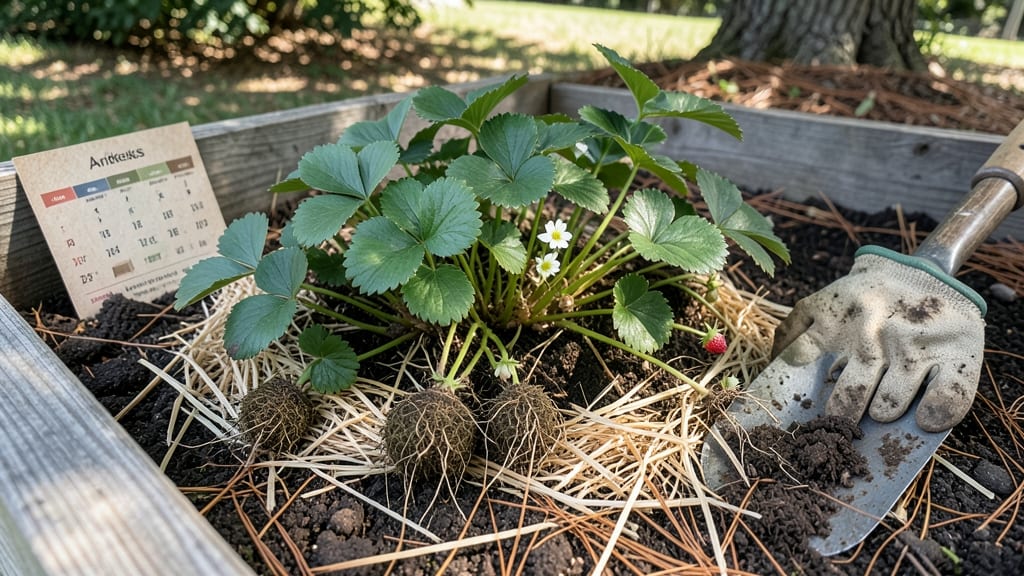
Timing your 🍓 strawberry planting in Arkansas can mean the difference between a bountiful harvest and a wasted effort. The exact weeks before last frost—typically late February to early April—are your golden window for getting strawberries in the ground when the soil is workable but frost isn’t lurking.
Whether you're a seasoned gardener or just starting, knowing when to plant strawberries in Arkansas isn’t just about the calendar—it’s about understanding your local frost dates and soil conditions.
In USDA Zones 7a-8b, early spring plantings (February-March) give your strawberries time to establish roots before summer heat arrives, while late summer plantings (July-August) set you up for a fall harvest.
But here’s the catch: highland areas like the Ozark Mountains may need to wait a week or two longer than lowland regions near Little Rock. I’ll break down the precise timing, soil prep tips, and even how to protect your plants if an unexpected frost sneaks in.
Ready to grow strawberries that thrive all season? Let’s dive into the exact steps to maximize your yield—no guesswork, just results.
Arkansas strawberry planting schedule: exact weeks before last frost for best results
Timing your strawberry planting in Arkansas depends on whether you're using bare-root plants or potted varieties, since each has different hardiness. Most gardeners aim for 4-6 weeks before the last frost date, but Arkansas's USDA Zones 7a-8b create regional variations—northern areas like Fayetteville freeze earlier than Little Rock.
For bare-root strawberries, plant them as soon as the soil is workable (around February in southern Arkansas or March in the north). Potted plants, which handle cooler temps better, can go in 2-4 weeks earlier.
The key is avoiding hard frosts while giving roots time to establish before summer heat arrives.
Here’s the exact planting window based on Arkansas’s frost-free dates and regional differences:
| Region | Last Frost Date (Avg.) | Ideal Planting Window | Notes |
|---|---|---|---|
| Northern Arkansas (Fayetteville, Harrison) | March 15 | Late February - Early March | Use row covers for early starts |
| Central Arkansas (Little Rock, Hot Springs) | March 1 | Mid-February - Late February | Soil warms faster; plant early |
| Southern Arkansas (El Dorado, Texarkana) | February 15 | January - Mid-February | Longer growing season; extend harvest |
| Late Summer Planting (All Regions) | N/A | July - August (6-8 weeks before first frost) | For fall harvest; use day-neutral varieties |
If you’re planting bare-root strawberries, soak the roots in water for 30 minutes before planting to reduce transplant shock. For potted plants, remove them from containers and loosen the roots gently if they’re circling.
Both types thrive in well-draining soil with a pH of 5.5-6.8—amend clay soil with compost to improve drainage.
Pro tip: Arkansas’s humid summers can stress strawberries, so mulch heavily with straw or pine needles to retain moisture and suppress weeds. Avoid fresh mulch, which can harbor diseases like gray mold.
For northern Arkansas gardeners, consider using black plastic mulch to warm the soil faster in early spring. In southern Arkansas, where winters are milder, you can plant as early as January for an extended harvest window—just monitor for early spring frosts.
Don’t forget about late summer plantings (July-August) for a fall harvest. This works best with day-neutral varieties like 'Seascape,' which produce fruit regardless of daylight length. Just ensure plants are established 6-8 weeks before the first frost.
One common mistake Arkansas gardeners make is planting too late in spring, missing the peak yield window. Strawberries need 60-90 days to bear fruit, so align your planting with your region’s last frost date—check the National Weather Service or local Cooperative Extension Service for updates.
For container gardening, use pots at least 12 inches deep with drainage holes. Plant in March-April to avoid early-season frost damage, and place containers in a south-facing spot for maximum sunlight.
🌱
Arkansas strawberry planting schedule: exact weeks before last frost for best results
Timing your strawberry planting in Arkansas hinges on two critical factors: your last frost date and whether you're planting bare-root plants or potted varieties.
In most of Arkansas (USDA Zones 7a-8b), aim to plant 4-6 weeks before your average last frost—typically between late February and early April for early spring plantings.
For bare-root strawberries, which are dormant and cheaper, plant them as soon as the soil is workable (around 40°F). Potted strawberries, already established, can handle slightly cooler soil and may go in 1-2 weeks earlier. This flexibility lets you adjust based on weather forecasts and soil conditions.
📅 Arkansas Strawberry Planting Timeline
| Planting Window | Best For | Notes |
|---|---|---|
| Late February - Early March | Bare-root plants | Soil must be workable (40°F+) |
| Early March - Mid-April | Potted plants | Can handle cooler soil |
| July - August | Fall harvest | Plant 4-6 weeks before first frost |
Northern Arkansas (e.g., Fayetteville in Zone 7a) typically has a later last frost (around April 1), so wait until mid-March for bare-root plants. Southern Arkansas (e.g., Little Rock in Zone 8a) can plant as early as late February since frost arrives later.
Always check your local frost dates using the National Weather Service or Almanac for precision.
Pro tip: If you’re unsure about frost dates, use row covers or straw mulch to protect early plantings. These simple strategies can buy you 2-4 extra weeks of growing time without risking frost damage. For example, mulching with straw or pine needles insulates roots and keeps soil warmer.
For a fall harvest, plant strawberries in July or August—this gives them time to establish before cooler weather sets in. Aim to finish planting by mid-August to ensure berries mature before the first frost (usually late October to early November).
Varieties like 'Chandler' and 'Albion' handle Arkansas’ heat well and produce reliably in fall.
Remember, soil temperature matters just as much as air temperature. Strawberries thrive when soil is between 50-60°F. Use a soil thermometer to check—if it’s below 40°F, wait a week or two. Patience here prevents root rot and ensures strong establishment.