
Plants
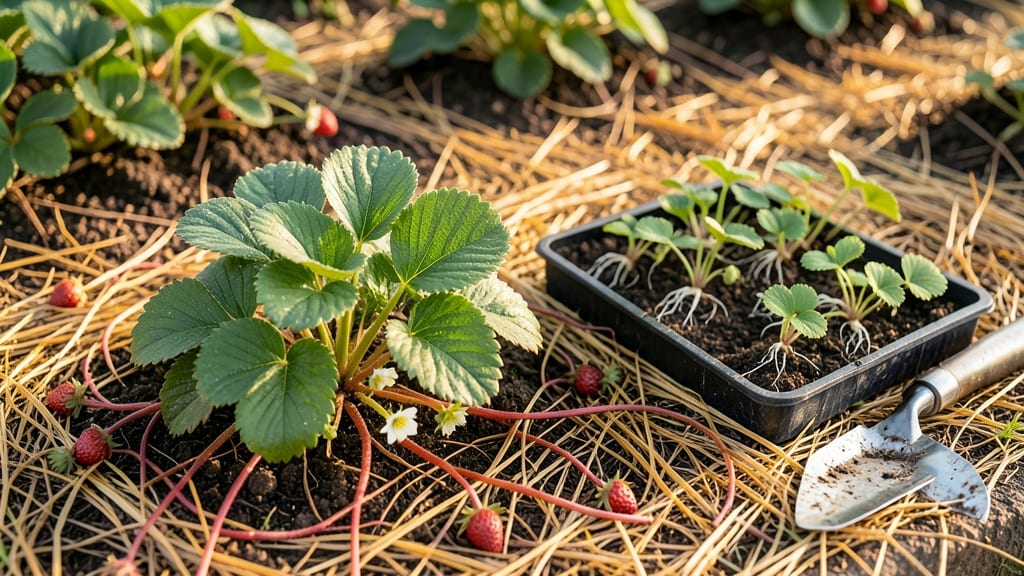
If you're dreaming of a bountiful harvest of juicy strawberries 🍓 in Zone 8, when do you plant strawberries in zone 8 is the question that will determine whether your crop thrives or falls short.
Timing is the game-changer you can't afford to miss—planting at the wrong time, whether too early or too late, can leave you with smaller berries or even a failed crop, no matter how much care you put into growing them.
Zone 8 offers a unique advantage with its mild winters, but that also means you need to nail the exact weeks before your last frost to give your strawberries the best start.
Whether you're planting in early spring or fall, understanding the subtle differences between coastal and inland microclimates will help you avoid common pitfalls like summer heat stress or frost damage.
I’ll walk you through the optimal planting windows for your Zone 8 garden, so you can enjoy sweet, plump berries from late spring through early summer—or even a second harvest in the fall.
Plus, I’ll share soil prep tips and variety recommendations to maximize your yield, no matter where you are in the zone.
Ready to turn your strawberry patch into a high-yielding success? Let’s get started with the timing secrets that make all the difference.
Best planting windows for strawberries in Zone 8: fall vs. spring timing explained
In Zone 8, where winters are mild and summers can be scorching, timing your strawberry planting is critical. The key is to plant when soil temperatures are 50–60°F—too early, and roots may rot; too late, and your plants won’t establish before summer heat stress.
Most gardeners in Zone 8 focus on two optimal windows: early spring and early fall.
Spring planting typically starts 6–8 weeks before your last frost date, usually around February to early March in most of Zone 8. This gives roots time to establish before summer’s intense heat.
However, if you live in coastal areas (like Southern California), your window might shift slightly later due to milder winters.
Fall planting, on the other hand, happens 6–8 weeks before the first frost, often in September or early October. This allows plants to root deeply before winter dormancy, giving you a head start in spring.
Everbearing varieties, in particular, benefit from fall planting for a second harvest in late fall.
Zone 8’s microclimates play a huge role in timing. Inland areas (like parts of Arizona or Nevada) may have earlier last frosts, while coastal regions (like San Diego) can plant later. Always check your local frost dates—the USDA Zone 8 range spans 240 frost-free days, but microclimates can vary by weeks.
Here’s the critical difference between spring and fall planting:
For June-bearing strawberries, spring planting is ideal—they need 60–90 days of cool weather to set fruit. Everbearing varieties, however, thrive with fall planting, producing berries in both spring and fall.
In Zone 8’s heat, afternoon shade (like a 30% shade cloth) can extend your harvest window by weeks.
Pro tip: If you’re in a high-desert Zone 8 (e.g., Albuquerque), plant strawberries earlier in spring—soil warms faster. Coastal gardeners (e.g., Los Angeles) can plant up to 2 weeks later thanks to milder temperatures. Always monitor your local Almanac frost dates for precision.
One common mistake? Planting strawberries too late in spring. If soil temperatures exceed 75°F before roots establish, your plants will bolt (send up flowers) instead of focusing on root growth.
This leads to smaller berries or no fruit at all. To avoid this, test soil temps with a soil thermometer before planting.
Finally, fall-planted strawberries often outperform spring-planted ones in Zone 8 because they avoid summer heat stress. If you’re new to strawberry growing, start with everbearing varieties like ‘Seascape’ or ‘Albion’—they’re more forgiving and produce berries in both seasons.
Just remember: timing is everything, and Zone 8’s mild winters give you a second chance if spring planting doesn’t work out.
🍓
Best planting windows for strawberries in Zone 8: fall vs. spring timing explained
Zone 8 gardeners enjoy a unique advantage for strawberries—two prime planting windows each year. Unlike colder zones, you can plant in early spring or early fall, avoiding summer heat stress while maximizing yields.
The key? Timing your plants to establish roots 6-8 weeks before last frost (typically February 15 in most Zone 8 areas).
Spring planting (February-March) gives strawberries a full growing season before summer’s heat, while fall planting (September-October) lets them root in before winter and produce an early spring harvest.
Both methods work, but your microclimate (coastal vs. inland) will shift these windows by 1-2 weeks. Coastal areas stay milder longer, while inland zones may need earlier plantings.
| Factor | Spring Planting (Feb-Mar) | Fall Planting (Sep-Oct) |
|---|---|---|
| Soil Temp | 45–55°F (7–13°C) | 50–60°F (10–16°C) |
| Last Frost Risk | Low (plant 6–8 wks before) | None (roots establish before cold) |
| Harvest Window | Late Spring (May–June) | Early Fall (Oct–Nov) + Next Spring |
| Best For | June-bearing varieties | Everbearing & June-bearing |
| Microclimate Note | Inland: plant by Feb 15; Coastal: up to March 1 | Inland: by Oct 1; Coastal: up to Nov 1 |
For June-bearing varieties (like Chandler or Seascape), spring planting is ideal—they need chilling hours to fruit. Everbearing varieties (e.g., Albion) handle fall plantings better, producing two harvests per year. Pro tip: Use black plastic mulch in summer to keep soil temps stable and prevent heat stress.
Zone 8’s mild winters mean strawberries can survive light frosts (down to 20°F/-7°C), but heavy freezes (below 15°F/-9°C) will damage plants. If your area gets hard frosts, opt for fall planting and protect beds with straw mulch (4–6 inches thick) to insulate roots.
To pinpoint your exact planting window, check your local last frost date (use the USDA Plant Hardiness Zone Map or a microclimate tool like Almanac’s Frost Calculator). Add 6–8 weeks to that date for spring, or plant 8–10 weeks before first frost in fall.
For example, if your last frost is February 15, plant spring strawberries by December 20.
Remember: Soil temperature matters more than air temperature. Use a soil thermometer—strawberries need 45°F (7°C) for roots to establish. If your soil is colder than 40°F (4°C), wait 1–2 weeks or use row covers to warm the bed.
Coastal Zone 8 gardeners can plant 2 weeks later than inland areas due to warmer ocean breezes.
Start with bare-root plants or container-grown varieties for best success.
Everbearing types like Ozark Beauty are perfect for Zone 8’s extended growing season, while June-bearing varieties need full winter dormancy—so spring planting is critical. Test your soil pH (aim for 5.5–6.5) and amend with compost before planting to give your strawberries a nutrient boost.