
Plants
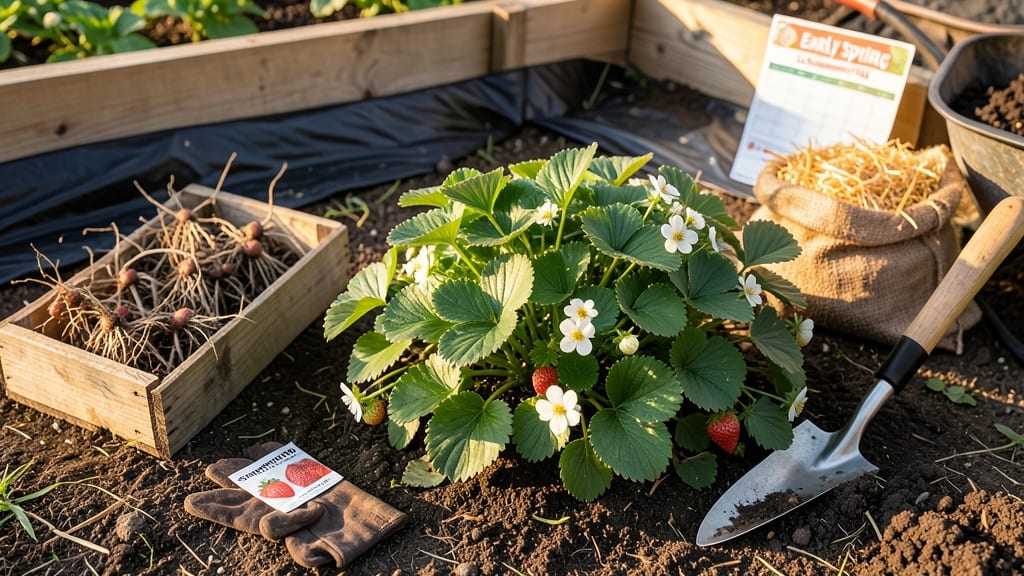
If you've ever dreamed of planting those fresh, juicy 🍓 strawberries straight from your Missouri garden, timing is the secret ingredient you can't afford to get wrong. When do you plant strawberries in Missouri?
The answer lies in knowing whether to set them in early spring or early fall—because getting it right makes all the difference between a thriving patch and a disappointing flop.
Missouri's 5b-6b climate zones mean frost can still sneak in as late as mid-April, so knowing exactly when to plant strawberries helps you avoid those chilly surprises.
Whether you're working with bare-root plants, potted varieties, or even seeds, the right planting window ensures strong root establishment before the heat of summer arrives.
I've tested different methods over the years, and what I'm about to share will help you maximize your harvest from May through June. Let's break down the ideal planting schedule, soil prep tips, and variety recommendations that work best for Missouri's unpredictable spring weather.
Ready to turn your garden into a berry paradise? The key to success starts with knowing when to put those strawberry plants in the ground—and I've got all the details to set you up for a bumper crop.
Missouri last frost dates by region: exact weeks to plant strawberries for best yield
Missouri’s last frost dates vary dramatically by region—from early April in southern areas to late April in northern zones. For strawberries, this means your planting window shifts by 2-3 weeks depending on where you live.
To maximize your harvest, aim to plant 3-5 weeks before your area’s average last frost, giving roots time to establish before warm weather arrives.
Northern Missouri (e.g., St. Joseph, Kansas City) typically sees its last frost around April 15-20, while southern regions like Springfield or Poplar Bluff can plant as early as March 20-25.
Central areas (e.g., Columbia, Jefferson City) fall right in the middle, with frost-free dates around April 1-10. Always double-check local data using the USDA Plant Hardiness Zone Map or your county extension office.
Pro tip: Use Almanac’s Frost Calculator (available online) to input your ZIP code for precise frost dates tailored to your microclimate. Missouri’s USDA Zones 5b-6b mean you’ll need to account for unpredictable late frosts, especially in the Ozarks where valleys can trap cold air.
For June-bearing varieties (most common in Missouri), planting in early spring ensures a late May-June harvest before summer heat stresses the plants. Ever-bearing varieties planted in late summer (August-September) can produce a second crop in fall, but require careful frost protection.
| Region | Avg. Last Frost | Planting Window | Harvest Window |
|---|---|---|---|
| Northern MO (St. Joseph, Kansas City) | April 15-20 | March 15-April 1 | Late May-June |
| Central MO (Columbia, Jefferson City) | April 1-10 | March 1-25 | Mid-May-June |
| Southern MO (Springfield, Poplar Bluff) | March 20-April 5 | February 25-March 20 | Early-Mid May |
| Ozarks (Branson, West Plains) | April 10-15 | March 15-April 1 | Late May-June |
🌱 Note: Adjust 1-2 weeks earlier for container-grown plants (they establish faster).
Missouri’s fall planting window for strawberries opens in late summer, typically August 15-September 15, to allow roots to establish before winter dormancy. This method works best for ever-bearing varieties like ‘Albion’ or ‘Seascape’, which can produce a small fall crop and then rebound in spring.
Just be sure to mulch heavily (4-6 inches of straw) to insulate roots during winter.
If you’re planting bare-root strawberries, wait until soil temperatures reach 40-50°F—use a soil thermometer to check. In Missouri, this usually aligns with mid-to-late March in southern regions and early April in the north. Potted plants, however, can handle slightly cooler soils and offer a 2-week earlier planting window.
For urban gardeners in St. Louis or Kansas City, microclimates near buildings or water features can push frost dates back by 1-2 weeks. Monitor local weather forecasts and consider row covers if late frosts are predicted after planting.
This extra protection can extend your growing season by 3-4 weeks in both spring and fall.
Remember: Strawberries hate soggy soil. If your region experiences heavy spring rains (common in Missouri’s wetter months), amend your soil with compost or sand to improve drainage. Well-draining soil prevents root rot and ensures your plants thrive during Missouri’s humid summers.
🌱
Strawberry planting methods for Missouri: bare-root vs. potted plants and when to use each
Choosing between bare-root strawberries and potted plants can feel overwhelming, but the right method depends on your Missouri planting window. Bare-root plants are cheaper and widely available in early spring (March-April), while potted varieties offer flexibility for fall planting (September-October) or late spring adjustments.
I’ve found that bare-root plants thrive when set in well-draining soil at 40-50°F, which aligns perfectly with Missouri’s early spring frost dates. Their roots establish quickly, giving them a head start before summer heat arrives. However, they require immediate planting upon arrival—no waiting!
On the other hand, potted strawberries are ideal for fall planting or if you’re unsure about frost timing. Their established root systems handle transplant shock better, and you can delay planting until soil temperatures stabilize. This makes them a safer bet for Missouri’s unpredictable late frosts.
Bare-Root vs. Potted Strawberries
For Missouri’s 5b-6b climate zones, I recommend bare-root plants in early spring (especially in northern regions like Kansas City) and potted varieties in fall (ideal for southern areas like St. Louis). Potted plants also let you stagger planting dates to extend your harvest window—a game-changer for Missouri’s variable weather.
Pro tip: If using bare-root plants, soak them in lukewarm water for 1-2 hours before planting to jumpstart root growth. For potted plants, trim any overgrown roots to encourage new growth once in the ground. Both methods work, but your choice should match Missouri’s microclimate and frost risks.
Regardless of method, always plant with the crown (where leaves meet roots) at soil level. This simple step prevents rot and ensures strong establishment—critical for Missouri’s humid summers and freezing winters. 🌱