
Plants
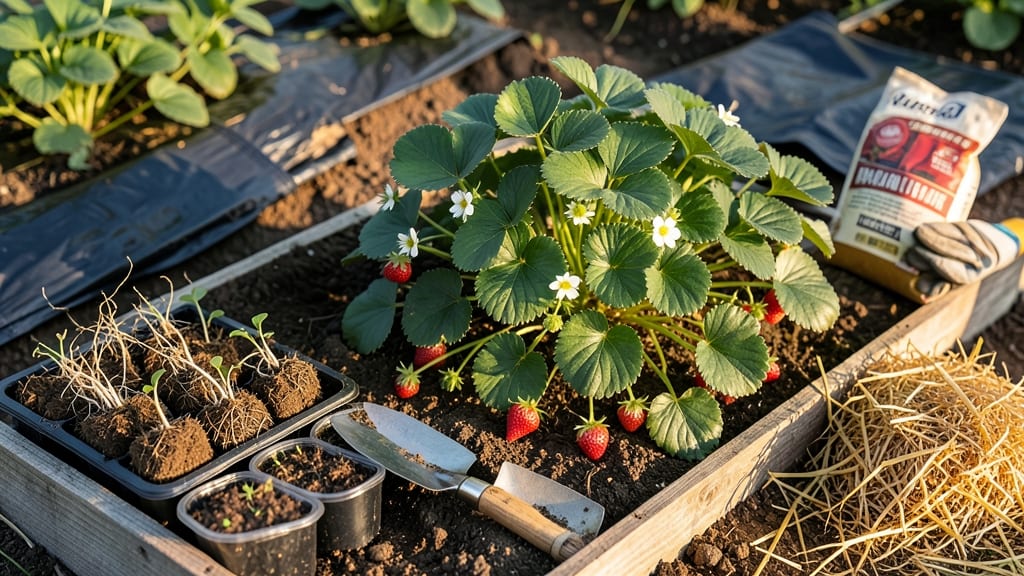
Planting strawberries in North Carolina at the wrong time can turn your garden dreams into a frosty disappointment—or worse, a missed harvest. Whether you're in the mountains of Asheville or the coastal plains of Wilmington, timing matters more than you might think.
The ideal window for planting these sweet 🍓 treasures is early spring (February–March) or late summer (July–August), but your exact schedule depends on your microclimate.
In Zone 6a, like the western mountains, you’ll want to plant sooner than in Zone 8b, where coastal warmth gives you a little extra leeway.
I’ll break down the exact weeks to plant for your region—plus how to adjust for late frosts, early heatwaves, and everything in between. No more guessing whether your strawberries will thrive or wither.
Ready to turn your garden into a berry bonanza? Let’s get those plants in the ground at the perfect moment for your corner of North Carolina.
North Carolina strawberry planting zones: when to plant by region (Mountains vs. Piedmont vs. coastal)
North Carolina's diverse geography creates three distinct strawberry planting zones, each with unique frost patterns and soil conditions. The Mountains (Zone 6a-7a) experience later springs and earlier falls, while the Piedmont (Zone 7b-8a) offers longer growing seasons.
Coastal areas (Zone 8a-8b) have milder winters but higher humidity. Understanding these zones helps you align planting with soil temperature thresholds of 40-50°F for optimal root establishment.
For Mountain regions like Asheville, aim for late March to early April planting to avoid late frosts that can damage tender strawberry crowns. In Piedmont cities such as Raleigh, February to early March is ideal, allowing plants to establish before summer heat.
Coastal gardeners in Wilmington should plant January to February to capitalize on their extended growing season. Each zone also requires microclimate adjustments, like protecting plants in urban heat islands or improving drainage in low-lying coastal areas.
Soil temperature is your most critical factor—strawberries won't thrive until soil reaches 40°F at 4-inch depth. Use a soil thermometer to verify readiness, especially in cooler mountain regions where late frosts can linger until April 15.
In warmer coastal areas, fall planting (July-August) is also viable, but avoid planting too late when days shorten and temperatures drop.
Here's how North Carolina's three primary zones compare for strawberry planting:
| Region | USDA Zone | Best Planting Window | Last Frost Date | Key Consideration |
|---|---|---|---|---|
| Mountains | 6a-7a | Late March to Early April | April 1 (Asheville) | Late frosts, cooler soils |
| Piedmont | 7b-8a | February to Early March | March 15 (Raleigh) | Moderate climate, urban heat islands |
| Coastal | 8a-8b | January to February | February 15 (Wilmington) | Higher humidity, salt spray |
Urban gardeners in cities like Charlotte or Greensboro may face microclimates where sidewalks and buildings create heat pockets. Plant in well-drained raised beds or along north-facing walls to mitigate heat stress. Coastal gardeners should also consider salt-tolerant varieties like 'Chandler' if growing near salt spray zones.
Always test your soil's pH (5.5-6.5) and amend with compost or peat moss if needed—strawberries are particularly sensitive to acidic or alkaline soils.
For fall planting, coastal areas have the advantage with their longer frost-free seasons. Aim for July 15 to August 15 in Zone 8b, while Piedmont gardeners should finish by August 1 to allow roots to establish before winter.
Mountain regions rarely have successful fall plantings due to early frosts, but you can try June planting for a late-summer harvest if your microclimate is mild enough.
Pro tip: Use black plastic mulch in cooler zones to warm soil faster—this can shave 2-3 weeks off your planting timeline. In humid coastal areas, opt for straw mulch instead to reduce fungal diseases like gray mold.
Always water deeply after planting to encourage root growth, especially in sandy soils common along the coast.
Remember that June-bearing varieties (like 'Chandler') produce one large crop in May-June, while everbearing varieties (like 'Seascape') offer two smaller harvests—spring and fall. Choose your variety based on your local frost dates and desired harvest window. For example, June-bearing types are better for mountain regions where summers are short.
🌱
Strawberry planting calendar: exact weeks for best yields in North Carolina (with frost risk alerts)
North Carolina’s strawberry planting calendar hinges on two key windows: early spring (February–March) and late summer (July–August). Each offers distinct advantages—spring plants bear fruit sooner, while fall plantings establish roots before winter.
But timing isn’t one-size-fits-all: your USDA zone (6a–8b) and local frost dates dictate the perfect week to plant.
For Zone 7a (Piedmont), like Raleigh, aim for February 15–March 15 in spring or July 15–August 15 for fall. In Zone 6a (Mountains), such as Asheville, shift to March 1–March 15 to avoid late frosts.
Coastal areas in Zone 8a (Wilmington) can plant as early as January 15 or stretch fall planting to August 30—thanks to milder winters.
| Zone | Spring Planting | Fall Planting | Frost Risk |
|---|---|---|---|
| 6a (Mountains) | March 1–15 | July 20–August 10 | High (last frost: April 1) |
| 7a (Piedmont) | February 15–March 15 | July 15–August 15 | Moderate (last frost: March 15) |
| 8a (Coastal) | January 15–February 15 | July 30–August 30 | Low (last frost: February 15) |
Missed the ideal window? Don’t panic. If soil temperatures drop below 40°F, strawberries won’t thrive. Use row covers or black plastic mulch to warm the soil 2–3 weeks earlier. For fall plantings, ensure roots establish before first frost (mid-November in Piedmont, October 31 in Mountains).
Pro tip: Check your local Cooperative Extension Service for frost alerts. In 2023, a late frost in March delayed harvests by 3 weeks in the Piedmont. Planning ahead with these dates ensures your strawberries beat the chill—guaranteeing juicy berries by May or September.
Once planted, focus on consistent moisture and mulching to protect roots. With the right timing, your strawberries will reward you with sweet, plump fruit—not frostbite! 🍓