
Plants
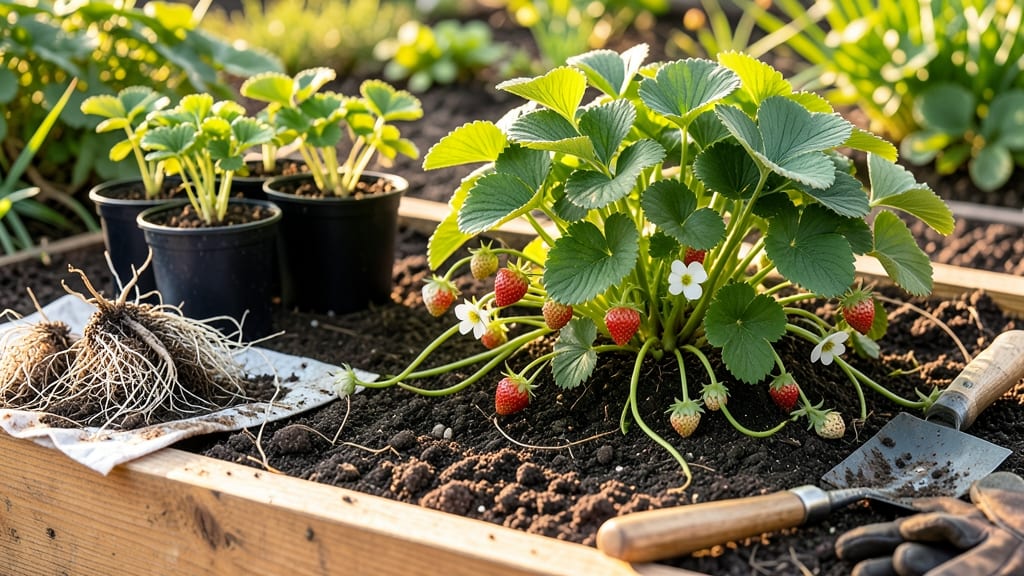
Planting strawberries in Ohio isn’t just about grabbing a few plants and sticking them in the ground—it’s about matching their chill-hour needs to your local climate for the sweetest, most abundant harvest. With Ohio’s 6a zone and unpredictable springs, timing can make or break your 🍓 success.
June-bearing varieties need 300-1,000 chill hours, while everbearing types thrive with fewer. Plant too early, and late frosts will ruin your crop; too late, and you’ll miss the optimal March-April window for spring planting. I’ll break down the exact chill-hour requirements and when to plant for your Ohio location.
Whether you’re working with bare-root plants or potted varieties, knowing when to get them in the ground is the key to extending your harvest from June through September. Let’s dive into the precise planting calendar and care tips tailored for Ohio gardeners.
Ready to avoid common mistakes and maximize your strawberry yield? You’ll discover how to prep your soil, space your plants correctly, and protect them from Ohio’s summer humidity—so you can enjoy fresh, homegrown berries all season long.
Ohio strawberry planting calendar by variety: June-bearing vs. everbearing chill-hour requirements
Ohio’s USDA Zone 6a climate means strawberries need precise timing to thrive. June-bearing varieties require 300-1000 chill hours (below 45°F), while everbearing types need 500-1000 chill hours.
Planting too early risks frost damage, while waiting too long cuts harvest potential. Let’s break down the exact windows for your Ohio garden.
In northern Ohio (e.g., Cleveland, Toledo), aim for early April planting after the last frost (April 15 average). Southern Ohio (e.g., Cincinnati, Columbus) can start late March due to milder winters.
Fall planting is also viable in September, but only if planted 6-8 weeks before first frost (around October 15).
Here’s how chill hours and frost dates impact your planting schedule:
| Variety Type | Chill-Hour Needs | Ideal Planting Window | Frost Risk | Harvest Window |
|---|---|---|---|---|
| June-Bearing | 300-1000 hours | Early April (after last frost) | High (late frosts common) | June-July (single harvest) |
| Everbearing | 500-1000 hours | Late March or September | Moderate (fall frosts) | June, August-Sept (2 harvests) |
| Day-Neutral | 300+ hours | March-April or Sept | Low (continuous fruiting) | May-October (extended) |
*Chill hours vary by microclimate; use a chill-hour calculator for exact local data.
For June-bearing varieties like Jewel or Honeoye, prioritize spring planting—they produce one massive harvest but need full chill hours. Everbearing types like Ozark Beauty offer two harvests (spring and fall) if planted in both spring and fall. Day-neutral varieties (e.g., Seascape) are the most flexible, fruiting continuously once established.
Ohio’s microclimates matter: Northern Ohio gardens should wait until mid-April for safety, while southern Ohio can start late March. Use row covers if planting early to protect against late frosts, which can kill young plants.
Monitor your local frost-free date—planting 2-3 weeks before ensures roots establish before heat arrives.
Fall planting in September works best for everbearing varieties, giving roots time to settle before winter. Avoid planting after mid-September, as new growth won’t harden off before frost. Mulch heavily (4-6 inches of straw) to insulate crowns during winter.
In Zone 6a, strawberries can survive winters with proper mulch, but avoid heavy snow compaction.
Pro tip: Test your chill hours using a chill-hour tracker or local extension service data. Some Ohio years (like 2021) had 1200+ chill hours, while others dropped below 500.
Adjust varieties accordingly—everbearing types handle variability better. For June-bearing, aim for at least 700 chill hours for reliable fruiting.
If you’re in Zone 6a’s colder pockets (e.g., Youngstown), opt for high-chill varieties like Chandler. Warmer areas (e.g., Dayton) can grow low-chill types like Albion. Always acclimate plants gradually if starting indoors—harden off for 7-10 days before transplanting to avoid shock.
Remember: Soil temperature matters too. Strawberries need 40-50°F soil to root—wait until soil warms to 50°F at 2 inches deep. Use a soil thermometer to check. Planting in cold soil delays growth and increases disease risk in Ohio’s humid summers.
Ohio strawberry planting calendar by variety: June-bearing vs. everbearing chill-hour requirements
Ohio’s 6a climate zone creates unique challenges for strawberry growers, where chill hours (temperatures between 32-45°F) determine whether your plants will thrive or struggle. June-bearing varieties need 800-1,000 chill hours, while everbearing types require just 300-500 hours—a critical difference for Ohio’s variable winters.
For northern Ohio (e.g., Cleveland, Toledo), aim for early April planting after the last frost (typically April 15), while southern Ohio (e.g., Cincinnati, Columbus) can plant as early as late March.
Fall planting is also viable in September for a late-summer harvest, but only if planted 6-8 weeks before frost.
🌱Key takeaway: Match your variety to your chill hours—June-bearing types need winter’s cold to set fruit, while everbearing varieties produce year-round with fewer chill hours.
| Variety Type | Chill Hours Needed | Best Planting Window | Ohio Region Fit | Harvest Window |
|---|---|---|---|---|
| June-Bearing | 800-1,000 hours | Early April (after last frost) | All regions (needs winter chill) | June-July (one-time harvest) |
| Everbearing | 300-500 hours | Late March or September | Southern Ohio (milder winters) | June-September (multiple harvests) |
| Day-Neutral | 0-300 hours | April or September | All regions (no chill requirement) | June-October (continuous) |
🌡️ Pro Tip: Use a chill-hour calculator (like the USDA’s) to verify your local chill hours before selecting varieties.
If you’re in northern Ohio, prioritize June-bearing varieties like Jewel or Honeoye, which handle 1,000+ chill hours effortlessly. For southern Ohio’s milder winters, everbearing Seascape or day-neutral Albionel will produce fruit year-round with minimal chill-hour stress.
💧 Critical timing tip: Plant bare-root strawberries in cool, cloudy weather (50-60°F) to reduce transplant shock. Avoid planting during heatwaves or heavy rain, which can drown roots or cause fungal issues.
For a second harvest, consider planting everbearing varieties in late summer (August)—they’ll produce a smaller crop in fall but extend your season. Just ensure they’re in the ground at least 6 weeks before frost to establish roots.