
Plants
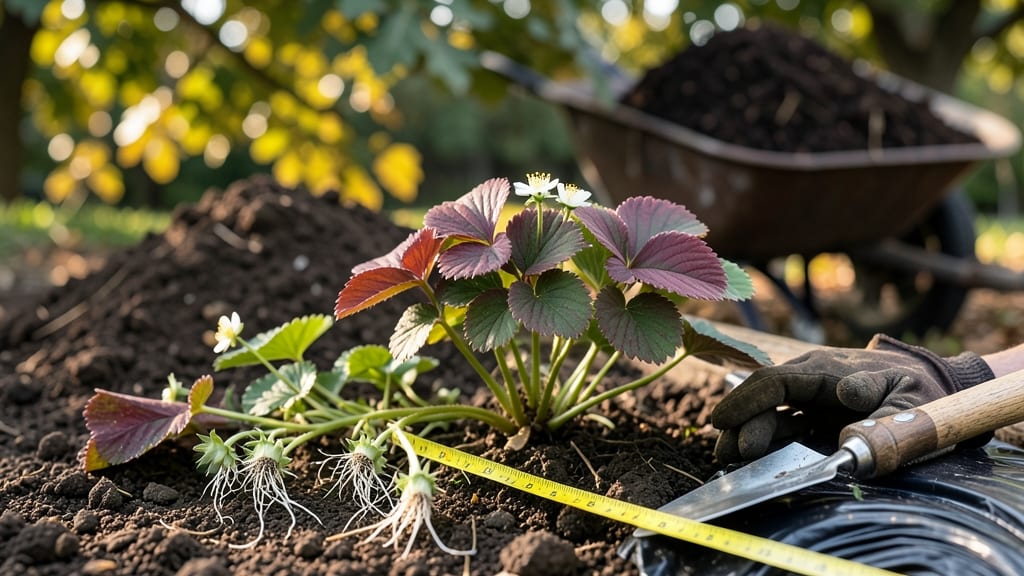
If you're dreaming of a bountiful strawberry harvest in Tennessee, when do you plant strawberries in the state at the right moment? Timing is everything—planting your 🍓 strawberries at the wrong time could mean smaller berries, fewer fruits, or even lost plants entirely.
But get it right, and you'll enjoy sweet, juicy strawberries from late spring through early summer—just in time for summer picnics and homemade jams.
The key to success lies in Tennessee's unique climate, where USDA Zones 6a-7b create distinct planting windows for both spring and fall. Whether you're working with bare-root plants or potted varieties, understanding when to plant ensures your strawberries get the chill hours they need to thrive.
Let me walk you through the best times to plant, how to prep your soil, and what to expect after those first little green leaves pop up.
Most gardeners in Tennessee plant their 🍓 strawberries in early spring—typically between March and April—once the threat of frost has passed. But did you know fall planting (September to October) can also work wonders?
This second window gives your plants time to establish roots before winter, setting them up for an even better harvest next year. I’ll share the exact steps to make sure your strawberries take root and grow strong, no matter when you plant.
From mulching to watering and everything in between, I’ll cover the essential care tips to keep your strawberries happy and productive. Whether you're a first-time gardener or a seasoned pro, these insights will help you avoid common mistakes and maximize your yield.
Let’s get your strawberry patch off to the best possible start!
Best planting times for strawberries in Tennessee by chill-hour requirements
Tennessee’s three distinct regions—East, Middle, and West—each have unique chill-hour needs for strawberries. The East Tennessee Mountains (Zone 6a) require more chill hours than the warmer West Tennessee Plains (Zone 7b). Understanding these differences ensures your plants bloom and fruit at the right time.
June-bearing varieties need 500–700 chill hours, while everbearing and day-neutral types thrive with 300–500 chill hours. In Tennessee, this translates to planting bare-root plants in early spring (March–April) or early fall (September–October), depending on your region’s last frost date.
For East Tennessee (Zone 6a), aim for March 15–April 15 to avoid late frosts. In Middle Tennessee (Zone 6b–7a), plant between March 1–April 15. West Tennessee (Zone 7b) gardeners can start as early as February 15–March 15 for fall planting or September 15–October 15.
If you’re using potted strawberries, transplant them 2–3 weeks earlier than bare-root plants. This gives roots time to establish before frost risks return. For container gardening, choose compact varieties like Seascape or Tristar to maximize space.
In Tennessee’s humid climate, avoid planting too early. Cool, wet soil can lead to rot or fungal diseases. Wait until the ground warms to 50°F (10°C) before transplanting. Use a soil thermometer to check—this small tool saves hours of guesswork!
For fall planting, aim to get plants in the ground 6–8 weeks before frost. This gives roots time to establish before winter dormancy. In East Tennessee, this means September 15–October 15, while West Tennessee gardeners can push it to October 15–November 1.
Once planted, mulch heavily with straw or pine needles to protect roots from temperature swings. In Tennessee’s unpredictable springs, this can mean the difference between a thriving patch and a failed crop. Mulch also suppresses weeds and retains moisture—critical during dry spells.
After planting, water deeply once a week for the first month to encourage root growth. Avoid overhead watering, which can spread disease spores. Instead, use a drip irrigation system or soaker hose for targeted moisture delivery.
Strawberries in Tennessee reward precise timing with sweeter berries and higher yields. By matching your variety to chill hours and planting at the right time, you’ll enjoy juicy, homegrown strawberries from May through July, depending on your region.
🌱
How to extend your strawberry season in Tennessee’s unpredictable climate
Tennessee’s climate can be a double-edged sword for strawberry growers. One day you’re basking in 75°F sunshine, and the next, a 28°F frost threatens your precious plants.
The key to a longer harvest season lies in smart planning—especially when it comes to protecting your strawberries from late frosts and heatwaves. I’ve learned that a little preparation can turn a risky season into a reliable strawberry bonanza.
First, let’s talk about mulching. A thick layer of straw or pine needles (3-4 inches deep) acts like a blanket, insulating roots from extreme temperatures.
This keeps the soil consistently cool in summer and warmer in winter, which is crucial for strawberries that need chill hours to fruit. I always mulch right after planting, and it’s made a noticeable difference in my 🍓 strawberry yields.
Here’s where things get tricky: Tennessee’s last frost dates can vary wildly by region. In the East (Zone 6a), frosts might linger until mid-April, while the West (Zone 7b) might see its last frost by early March.
To hedge your bets, I recommend using row covers in early spring. These lightweight fabrics trap heat and protect tender new growth from unexpected late frosts.
⚠️ Avoid These Common Mistakes
Planting too early risks frost damage to young plants. Waiting too late delays your harvest. Skipping mulch leaves roots vulnerable to temperature swings. Overwatering in summer can drown plants during heatwaves.
Solution: Use row covers for frost protection, drip irrigation for precise watering, and shade cloth during extreme heat.
For gardeners who want to extend their harvest beyond June, staggered planting is your secret weapon. Plant one batch in early spring (March) and another in early fall (September). This way, you’ll have berries ripening at different times, giving you a near-continuous supply from May through July.
I’ve even seen gardeners in Zone 7a get a second flush in fall with everbearing varieties.
Don’t overlook pest control during this extended season. Tennessee’s humidity makes strawberries prime targets for slugs, spider mites, and powdery mildew. I swear by a neem oil spray every 2 weeks during peak growing months.
For slugs, I set out beer traps—they work like magic! A little prevention now means fewer headaches later and healthier plants.
Finally, if you’re growing day-neutral varieties like Seascape, you might even get a small harvest in fall if you plant in late summer. Just be prepared to protect them with row covers when nights get chilly.
With these strategies, you can turn Tennessee’s unpredictable climate into your strawberry-growing advantage.