
Plants
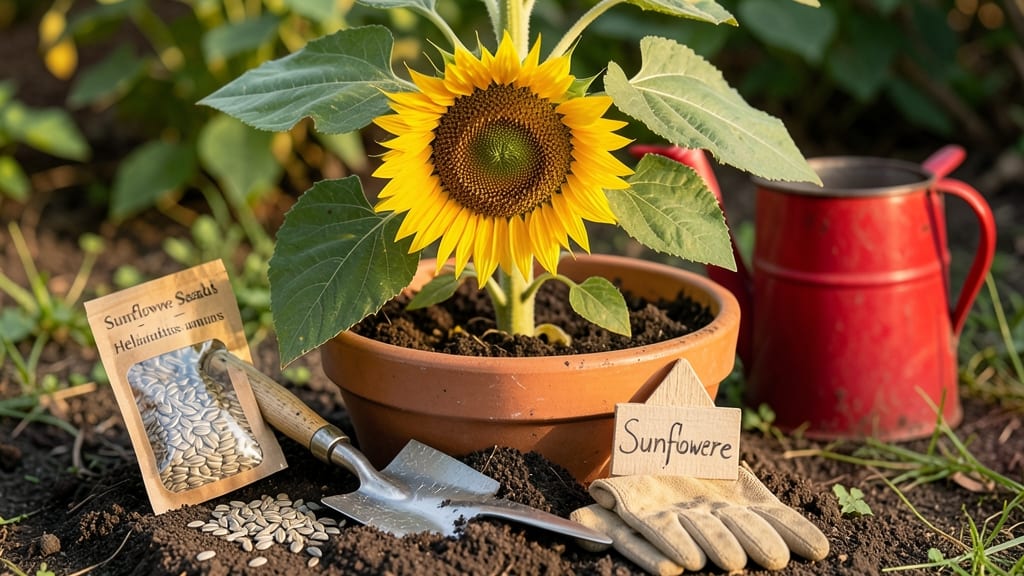
If you’ve ever wondered when do you plant sunflower seeds in Michigan to avoid the frustration of seeds bolting too fast or refusing to sprout, timing is the secret ingredient you’re missing.
Planting too early risks frost damage, while waiting too long cuts your harvest short—especially in zones 5b-6b where spring can swing from icy to sweltering in weeks.
Most Michigan gardeners assume mid-May is the only window, but the truth is more nuanced.
Whether you’re in the Upper Peninsula’s cooler microclimates or southern Michigan’s warmer pockets, the ideal planting window stretches from mid-April to mid-June—with a few key adjustments to ensure those towering blooms reach their full potential.
I’ll break down exactly when to plant for your specific corner of the state, whether you’re aiming for early summer blooms or late-season harvests.
You’ll also discover whether direct sowing or starter plants work better in Michigan’s unpredictable soil, plus tricks to extend your growing season if frost sneaks up early.
Ready to turn your garden into a sunflower haven? Let’s get those seeds in the ground at the perfect moment—no guesswork, just reliable blooms from July to October.
Michigan sunflower planting dates by USDA hardiness Zone (with frost-free timing)
Michigan spans USDA Zones 4-6, creating a 3-week difference in ideal planting windows. In Zone 4 (Upper Peninsula), wait until late May when soil hits 55°F+, while Zone 6 (southern Michigan) can start as early as mid-April.
The Great Lakes add complexity—areas near water bodies often have 2-3 weeks later frost dates than inland regions.
Use average last frost dates as a baseline: April 15 for southern Michigan, May 1 for central areas, and May 15 for northern zones. However, microclimates matter—urban heat islands may warm soil faster, while shaded gardens stay cooler longer.
Always check your local frost-free date from sources like the Michigan State University Extension.
Sunflowers thrive when planted after the last frost, but they’re frost-tolerant seedlings. You can sow seeds 1-2 weeks before your official last frost date in Zone 5-6, using row covers if nights dip below 40°F.
In Zone 4, wait until soil warms consistently to avoid slow germination.
Soil temperature is critical—sunflower seeds won’t sprout below 55°F. Use a soil thermometer to confirm readiness. In cooler zones, black plastic mulch can warm soil by 5-10°F, allowing earlier planting. For direct-sown seeds, aim for 60°F+ soil for fastest germination.
| USDA Zone | Last Frost Date | Ideal Planting Window | Soil Temp Threshold | Microclimate Adjustments |
|---|---|---|---|---|
| Zone 4 (Upper Peninsula) | May 15 | Late May to early June | 55°F+ | Delay 1-2 weeks near lakes |
| Zone 5 (Central Michigan) | April 30 | Mid-April to mid-May | 50°F+ (with protection) | Urban areas: plant 1 week earlier |
| Zone 6 (Southern Michigan) | April 15 | Mid-April to early May | 45°F+ (fast germination) | Shaded gardens: wait until May |
🌱 Pro Tip: Use biodegradable seed starters in cooler zones to jumpstart growth by 7-10 days.
For extended-season sunflowers, consider a second planting in early July. Fast-maturing varieties like ‘Teddy Bear’ (50-60 days) can bloom before frost in Zone 5-6. In Zone 4, focus on late-July plantings of dwarf varieties to avoid early fall frosts.
Always monitor weekly weather forecasts in late spring. A late frost can devastate young seedlings, but sunflowers’ deep taproots make them resilient once established. If frost threatens, use row covers or cloche tunnels to protect seedlings until they reach 12 inches tall.
In Zone 6, you can even experiment with early March sowings under greenhouse conditions or with heated seedling mats. Transplant hardened-off seedlings outdoors after the last frost. This head start can shave 2-3 weeks off the growing season, pushing blooms into early July.
Remember: Sunflowers are annuals with a 90-120 day lifespan. Planting too late risks immature blooms before frost. Use succession planting every 2-3 weeks in May-June to stagger harvests from July through October.
For container gardening, start seeds indoors 4-6 weeks before your last frost date. Use 5-gallon pots or larger to accommodate their deep root systems. Move containers to full sun outdoors once soil warms, hardening off seedlings over 5-7 days.
Michigan sunflower planting dates by USDA hardiness Zone (with frost-free timing)
Michigan’s USDA Zones 4-6 create a tricky balance for sunflower lovers—plant too early, and frost zaps your seedlings; too late, and you miss the 90-120 day growing window.
The key is aligning your planting with soil temperatures above 55°F and local frost-free dates, which can vary by 2-3 weeks across the state.
For most of southern Michigan (Zones 5b-6a), the sweet spot is mid-April to late May, but gardeners in northern Michigan (Zone 4b) should wait until late May to early June to avoid late frosts.
Urban areas like Detroit often warm up faster than rural spots, so check your last frost date—it’s your planting clock.
Here’s how to match your zone to the perfect timing, plus microclimate adjustments for lake-effect cooling or urban heat islands:
| USDA Zone | Last Frost Date | Planting Window | Soil Temp Threshold | Microclimate Adjustment |
|---|---|---|---|---|
| Zone 4b (Upper Peninsula) | May 15–20 | Late May–early June | 55°F+ (wait for stability) | Delay 1 week near lakes |
| Zone 5b (Northern Lower) | April 25–May 5 | Mid-April–late May | 50°F+ (fastest germination) | Advance 1 week in cities |
| Zone 6a (Southern Michigan) | April 10–20 | Mid-April–mid-May | 55°F+ (consistent) | No adjustment needed |
Pro tip: Use a soil thermometer to confirm temps—sunflowers won’t germinate well below 55°F, even if the air feels warm. In cooler zones, opt for fast-maturing varieties (like ‘Teddy Bear’) to squeeze in a harvest before frost.
For gardeners in Zone 5b-6a, a late-May planting often yields taller, more robust blooms because the plants mature during peak summer heat. Just be prepared to mulch heavily to retain moisture during Michigan’s dry spells.
Remember, sunflowers are hardy annuals—they’ll bounce back from light frosts once they’ve sprouted. But don’t take chances: if a late frost is forecast, cover seedlings with row fabric until danger passes.