
Plants
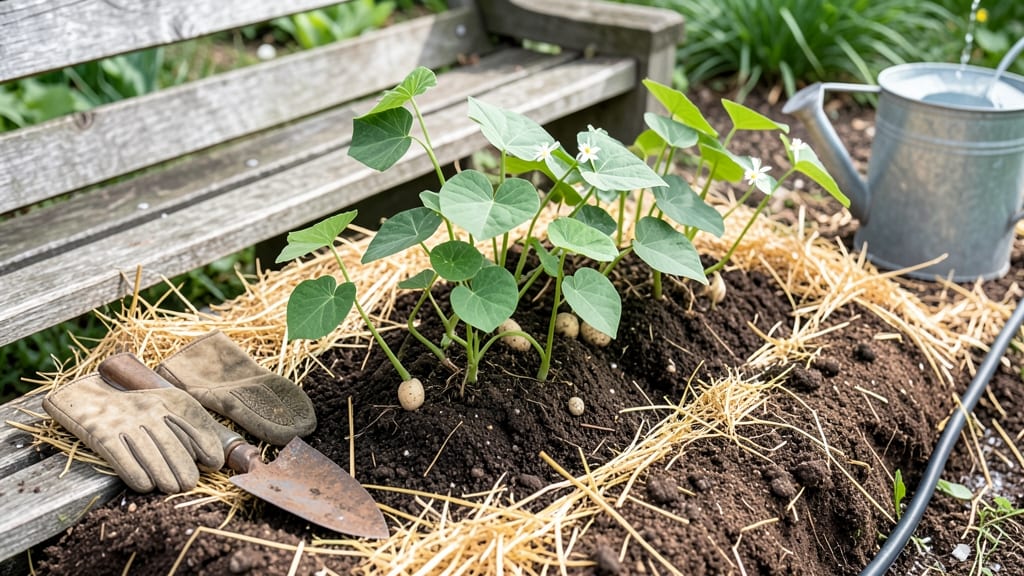
If you're wondering when to plant sweet potatoes in Louisiana, timing is the secret to avoiding soggy soil and maximizing your harvest. The 🍠 thrives in the state's warm climate, but planting too early risks frost damage, while waiting too long cuts your growing season short.
For most of Louisiana's 8a-9b zones, the ideal window opens in March through June after the last frost—typically by mid-February. But there's a trickier second chance: late summer plantings in July-August for a fall harvest, perfect if you missed the spring window.
Here's what you need to know: soil must reach 65°F before planting slips (young plants), and heat-resistant varieties like Beauregard perform best. Whether you're a first-timer or seasoned gardener, these exact start dates will help you grow sweeter, healthier tubers.
Let's break down the best planting strategies for your specific Louisiana region, including how to extend your growing season and choose the right varieties for your climate. You'll learn how to avoid common mistakes that waste time and effort.
Optimal planting dates for sweet potatoes in Louisiana by region
Sweet potatoes thrive in Louisiana’s heat, but timing is critical—especially since soggy spring soil can rot tubers while late plantings risk stunted growth. The ideal window spans March through June, with adjustments for your specific region.
Louisiana’s USDA Zones 8a-9b mean frost is rare after mid-February, but soil temperature matters more than air temperature.
For North Louisiana (Zones 8a), where cooler pockets linger, aim to plant after April 15. Warmer Central Louisiana (Zone 8b) can start as early as March 15, while South Louisiana (Zone 9b) gardeners have flexibility until June 1.
Soil must reach 65°F+—use a soil thermometer to confirm before planting slips (young plants).
Here’s a region-specific breakdown of when to plant for maximum yields, including adjustments for early vs. late varieties:
| Region | USDA Zone | Optimal Planting Window | Soil Temp Threshold | Notes |
|---|---|---|---|---|
| North Louisiana | 8a | April 15–May 15 | 65°F+ | Cooler soils; use black plastic mulch to warm soil faster. |
| Central Louisiana | 8b | March 15–April 30 | 65°F+ | Best for early varieties like 'Beauregard'; avoid late May plantings. |
| South Louisiana | 9b | March 1–June 1 | 60°F+ (flexible) | Longer growing season; can plant for fall harvest (July–August). |
For a fall harvest, Louisiana gardeners can plant slips again in July–August, targeting a 120-day maturity before first frost (typically December 1). This works best in South Louisiana, where heat lingers longer. Use drought-tolerant varieties like 'Centennial' to avoid stress from late-season humidity.
Pro tip: Stagger plantings every 2 weeks to extend harvest season. For example, plant half your slips in April and the rest in May—this ensures a continuous supply of tubers from October through December.
Just avoid planting after June 15 in North Louisiana, as tubers may not mature before frost.
If you’re starting from seeds instead of slips, begin indoors in February (8–10 weeks before last frost) or direct-sow after soil warms to 70°F+. Seeds take 10–14 days to sprout, so plan accordingly. Slips are faster—most Louisiana gardeners prefer them for their 90–120-day harvest window.
Watch for false starts: Louisiana’s unpredictable spring rains can delay planting. If your soil stays below 65°F past May 1, opt for heat-tolerant varieties like 'Georgia Jet' and use row covers to accelerate warming. Mulch with straw or black plastic to maintain soil temperature and suppress weeds.
Remember: Sweet potatoes hate cold soil. Even in Louisiana, a late frost or cool snap can stunt growth. Monitor your local agricultural extension service for frost alerts—though rare, they happen. Planting too early is riskier than waiting for warm soil.
Optimal planting dates for sweet potatoes in Louisiana by region
Louisiana’s three distinct regions—North, Central, and South—each have unique frost patterns and soil warming speeds. For North Louisiana (USDA Zone 8a), the last frost typically hits around March 15, so plant slips (young plants) by late March for a fall harvest.
In Central Louisiana (Zone 8b), you can start as early as mid-February once soil reaches 65°F, while South Louisiana (Zone 9a-9b) offers a longer window, allowing plantings through June.
For a fall harvest, try a late summer planting in July-August. This works best in South Louisiana, where hotter soils and longer growing seasons support tubers maturing by November-December.
In North Louisiana, this method is riskier due to earlier frosts, but heat-loving varieties like Beauregard can still produce a small harvest if planted by mid-July.
🌱
| Region | USDA Zone | Last Frost Date | Ideal Planting Window | Soil Temp Threshold |
|---|---|---|---|---|
| North Louisiana | 8a | Mid-March | Late March–April | 65°F+ |
| Central Louisiana | 8b | Mid-February | Mid-February–May | 65°F+ |
| South Louisiana | 9a-9b | Early February | February–June | 65°F+ |
If you’re planting slips (the most common method in Louisiana), purchase them from a local nursery once soil temperatures consistently stay above 65°F. For seed plantings, start seeds indoors 8-10 weeks before your last frost date, then transplant seedlings after the soil warms.
This method is less common but works well for early varieties like Georgia Jet.
For fall harvests, prioritize heat-tolerant varieties and plant slips in July for a late-November harvest. Use black plastic mulch to warm the soil faster and retain moisture during Louisiana’s peak summer heat.
This trick extends your growing season by 2-3 weeks, giving tubers more time to mature before cooler temperatures arrive.
Always monitor your local weather forecasts for unexpected cold snaps, especially in North Louisiana. A single 40°F night can stunt growth or damage young plants. If frost threatens after planting, cover slips with row covers or old bedsheets for protection.
🌡️