
Plants
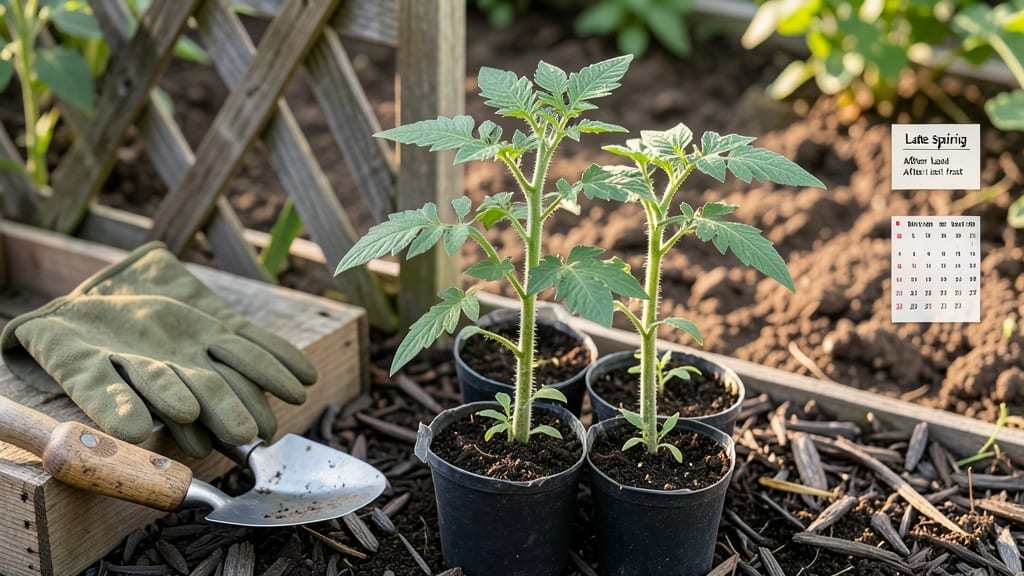
Planting your 🍅 tomatoes in Indiana at the wrong time can mean the difference between a bumper crop and a sad, frost-nipped disappointment. With Indiana's Zone 5b-6b climate, getting those seeds in the ground just right is the key to juicy, vine-ripened tomatoes all summer.
Most gardeners here know the general rule: wait until after the last frost date, which typically lands between April 15 and May 15. But there's more to it than just checking a calendar.
Soil temperature, microclimates, and even your specific tomato variety all play a role in determining the perfect planting window.
In this guide, I'll break down exactly when you should plant your tomatoes for maximum success, plus the 5 critical factors that determine your ideal schedule.
Whether you're a first-time gardener or a seasoned pro, these insights will help you avoid common mistakes and get the most out of your tomato plants.
From understanding frost risks to choosing the right varieties for Indiana's short growing season, you'll discover everything you need to know to plant your tomatoes at the perfect time. Let's get started!
Indiana tomato planting deadlines by Zone 5-6: exact dates for success
Indiana’s Zone 5-6 climate creates a tight window for planting tomatoes—get it right, and you’ll enjoy juicy, vine-ripened fruit all summer. Get it wrong, and you risk frost damage or stunted growth.
The key is understanding your last frost date, soil temperature thresholds, and regional variations between northern and southern Indiana.
Most of Indiana falls in USDA Zones 5b-6b, with average last frost dates ranging from April 15 in southern Indiana to May 1 in northern areas. However, these dates shift yearly—always check Purdue Extension’s frost forecast for real-time updates.
For reliable harvests, aim to plant transplants 2-3 weeks after your last frost or start seeds 6-8 weeks before transplanting.
Here’s your Indiana tomato planting timeline broken down by zone and method:
| Planting Method | Zone 5 (Northern IN) | Zone 6 (Southern IN) | Soil Temp Requirement | Backup Date |
|---|---|---|---|---|
| Transplants (Store-Bought) | May 1 - May 15 | April 20 - May 5 | 60°F+ | May 22 (Zone 5), May 10 (Zone 6) |
| Seeds (Indoor Start) | March 15 - April 1 | March 1 - March 15 | 70°F+ (for germination) | April 15 (both zones) |
| Transplants (Late Start) | June 1 (for fast varieties) | May 20 (for fast varieties) | 60°F+ (with row covers) | N/A (risky for most varieties) |
| Fall Planting (Zone 6 Only) | N/A (too cold) | July 15 - August 1 | 65°F+ (for late-season growth) | August 15 (Zone 6) |
For Zone 5 gardeners, the May 1 deadline is non-negotiable—planting before this risks frost damage to young seedlings. Southern Indiana’s earlier window (April 20) lets you start 2 weeks ahead, giving your tomatoes a head start.
Pro tip: Use black plastic mulch to warm soil faster and extend your planting window by 1-2 weeks.
If you miss the spring window, don’t despair! Zone 6 gardeners can try a late-summer planting (July 15) for a fall harvest. Choose fast-maturing varieties (like Early Girl) and use row covers to protect plants from early frosts.
Just be prepared to harvest by October 15 before temperatures drop.
Always double-check the 28-day forecast before planting—even if the last frost has passed, a late cold snap can devastate young plants. For extra protection, use frost cloths or plant near heat-retaining structures like brick walls.
My go-to trick? Plant tomatoes in containers near the house—warmer microclimates buy you 1-2 extra weeks of growing time.
Remember: Soil temperature matters more than air temperature. Tomatoes need soil at 60°F or warmer to thrive. Use a soil thermometer to confirm—cool soil delays growth and increases disease risk.
If your soil is still chilly, wait it out or use warmth-loving companion plants like basil to speed up heating.
For Indiana-specific resources, bookmark these tools: - Purdue Extension’s Frost Date Map (updated annually) - National Weather Service’s 7-Day Forecast (for late cold snaps) - Local Cooperative Extension Offices (call for hyper-local advice)
Timing your tomato planting in Indiana isn’t just about dates—it’s about reading your microclimate, preparing your soil, and choosing the right varieties. Master these deadlines, and you’ll be feasting on homegrown tomatoes from July through October. 🌱
5 Critical factors that determine your Indiana tomato planting schedule
Timing your tomato planting in Indiana isn't just about checking a calendar—it's about understanding 5 key factors that can make or break your harvest. While the April 15-May 15 window is a good starting point, these variables ensure you're planting at the absolute best time for your specific situation.
First, soil temperature is non-negotiable. Tomatoes won't thrive until the soil warms to at least 60°F (15°C). Cold soil stunts root growth and delays maturity, leaving you with fewer tomatoes by harvest time. Use a soil thermometer to check—especially in northern Indiana where soils warm slower.
Next, the 28-day forecast rule is my secret weapon for avoiding late frosts. Check your local National Weather Service or Purdue Extension forecast 28 days before your target planting date. If frost is predicted within that window, delay planting by 1-2 weeks to protect your tender seedlings.
- Soil Temperature: Wait until soil reaches 60°F+ (use a thermometer!)
- Last Frost Date: Northern IN (May 10), Southern IN (April 20) average
- 28-Day Forecast: Check for frost risk before planting
- Seedling vs. Transplant: Transplants need 10°F warmer soil than seeds
- Microclimate: South-facing slopes warm 2-3°F faster than low spots
Another game-changer is whether you're planting seeds or transplants. Transplants need soil that's 10°F warmer than seeds because their roots are already established. This means you can plant transplants 2-3 weeks earlier than seeds in Indiana's climate.
If you're starting from seed, plan to transplant seedlings indoors 6-8 weeks before your target outdoor date.
Don't overlook microclimates—your garden might have spots that warm up 2-3°F faster than others. South-facing slopes, raised beds, and areas near buildings all create warmer pockets perfect for early planting. Conversely, low-lying areas and shaded spots may need 1-2 extra weeks to warm up safely.
Finally, consider your tomato variety's maturity time. Fast-maturing varieties like Early Girl (55 days) can handle later starts, while longer-season varieties need the earliest possible planting. In Indiana's 165-day growing season, every day counts—especially when you're racing against the October 15 first frost average.
By mastering these 5 factors, you'll transform guesswork into a precise planting schedule tailored to your specific Indiana location. The result? Bigger harvests, healthier plants, and tomatoes that ripen perfectly before the first frost hits.