
Plants
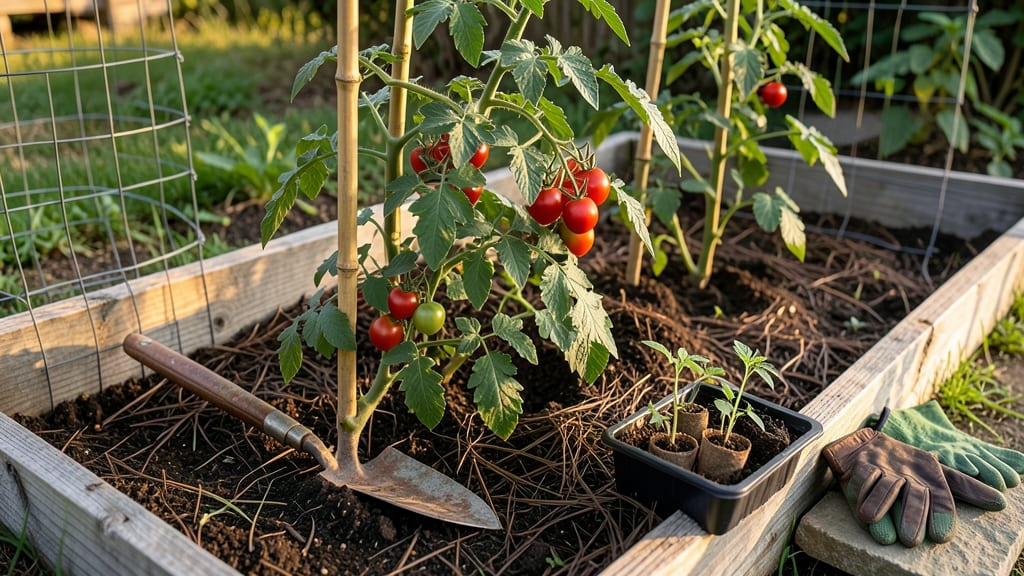
If you’ve ever wondered why your neighbor’s tomatoes thrive while yours barely sprout, the answer likely lies in when you plant them—especially in Washington State’s wildly varied climate.
From the chilly coastal fog of the Puget Sound to the hot, dry summers of Eastern Washington, timing is everything for your 🍅 plants to flourish.
Getting the dates right isn’t just about avoiding frost—it’s about matching your microclimate to your tomato’s needs. Whether you’re in Seattle’s rainy zone or Spokane’s sunbaked plains, planting too early or too late can mean the difference between a bountiful harvest and a sad, wilted disappointment.
In this guide, I’ll break down the exact planting windows for Washington’s key regions, including when to start seeds indoors and when to transplant seedlings for maximum success. You’ll also discover how to adjust for your specific corner of the state—because even a few miles can change everything.
Ready to grow tomatoes that actually ripen? Let’s dive into the microclimate-specific secrets that’ll have you enjoying homegrown 🍅 from July through October—no matter where you garden in Washington.
Washington State tomato planting dates by microclimate zone
Washington State’s diverse microclimates create a challenge—and an opportunity—for tomato growers. While the Puget Sound region enjoys milder springs, Eastern Washington can experience early heat waves, and high-elevation areas face shorter growing seasons. Understanding these variations ensures your tomato plants thrive from seed to harvest.
Most gardeners in Washington start tomatoes indoors 6-8 weeks before the last expected frost date. For Western Washington, this typically means March or early April for transplanting outdoors in May or June.
In contrast, Eastern Washington gardeners often plant 1-2 weeks earlier due to warmer soils and longer daylight hours.
The USDA Plant Hardiness Zones in Washington range from Zone 6 (mountains) to Zone 9 (lowland deserts). Your local frost dates are the best guide—check the National Weather Service or Washington State University Extension for your area’s averages.
For example, Seattle’s last frost is usually around April 15, while Spokane’s can occur as late as May 15.
Here’s a quick reference for transplanting windows based on Washington’s key regions:
| Region | Last Frost Date | Transplant Window | Notes |
|---|---|---|---|
| Western WA (Seattle, Olympia) | April 15 | May 15–June 1 | Cooler soils; use row covers |
| Puget Sound (Bellingham, Tacoma) | April 1–April 15 | May 1–May 15 | Frost pockets; plant near south walls |
| Eastern WA (Spokane, Wenatchee) | May 15 | May 1–May 15 | Warmer soils; plant early varieties |
| High Elevation (Mount Rainier, Snoqualmie) | June 1 | June 15–July 1 | Short season; choose fast-maturing types |
For direct sowing (planting seeds outdoors), wait until soil temperatures reach 60°F (15°C) and nighttime temperatures stay above 50°F (10°C). In Western Washington, this often aligns with late May or early June, while Eastern Washington may see conditions ready by mid-May.
Always test soil temperature with a soil thermometer—cold soils delay germination.
If you’re starting seeds indoors, begin 6-8 weeks before your last frost date. Use grow lights or a sunny windowsill, and transplant seedlings outdoors only after they’ve developed 4-6 true leaves. Harden them off for 7-10 days before transplanting to avoid shock from temperature fluctuations.
One critical tip: Soil warmth is more important than air temperature. In cooler regions, use black plastic mulch or row covers to warm the soil faster. In dry areas, mulch also helps retain moisture—a must for tomato plants that need consistent watering.
For container growing, plant 1-2 weeks later than in-ground plants since pots heat up faster. Choose determinate varieties (bush types) for containers, as they handle transplanting stress better than indeterminate (vining) types.
Washington State tomato planting dates by microclimate zone
Washington’s three distinct growing regions—Western, Eastern, and the Puget Sound—each demand different planting strategies for tomatoes. The last average frost dates range from May 15 in Seattle to June 1 in Eastern WA, creating a 3-week window that can make or break your harvest.
Let’s break down the best times to plant for each zone.
For Western Washington (including Seattle, Olympia, and Bellingham), the ideal transplant window is late April to early May, once soil temperatures hit 55°F (13°C). This cooler, wetter region benefits from early-maturing varieties like ‘Stupice’ or ‘Mountain Merit’ to avoid summer rains slowing ripening.
In Eastern Washington (Spokane, Yakima, Wenatchee), where summers are hot and dry, you can plant directly in the ground as early as late April—but transplant seedlings by May 1 for faster results. The longer growing season here allows for late varieties like ‘Brandywine’ to fully ripen.
Puget Sound’s unique microclimates—like the frost pockets of Snohomish County—require extra caution. Here, wait until May 10 to transplant, and consider row covers if nights dip below 45°F (7°C). The coastal fog can delay soil warming, so test with a soil thermometer before planting.
| Region | Last Frost Date | Transplant Window | Soil Temp Requirement | Best Varieties |
|---|---|---|---|---|
| Western WA | May 15 | Late April–Early May | 55°F (13°C) | Stupice, Mountain Merit |
| Eastern WA | June 1 | Late April–Early May | 60°F (16°C) | Brandywine, Cherokee Purple |
| Puget Sound | May 10 | Early–Mid May | 50°F (10°C) min | Celebrity, Early Girl |
If you’re starting seeds indoors, begin 6–8 weeks before your region’s transplant window. For Western WA, that means early March; Eastern WA gardeners can start late February. Use grow lights to avoid leggy seedlings, and harden them off for 7–10 days before moving outdoors.
Pro tip: Monitor local frost alerts via the Washington State University Extension or NOAA frost maps. A late frost in May can wipe out unprotected seedlings—so have row covers ready for those chilly coastal mornings. 🌱