
Plants
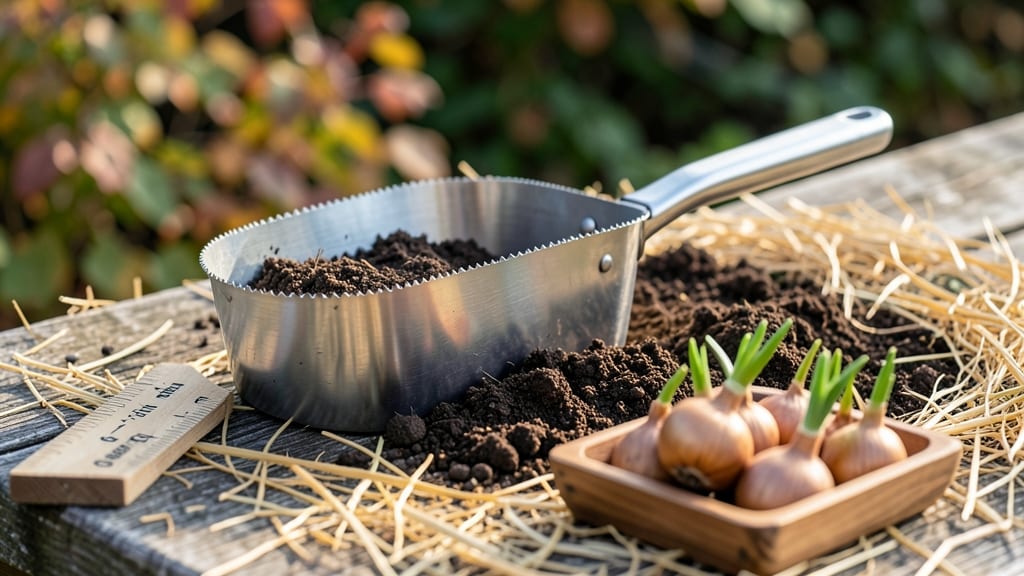
Planting tulips in Oklahoma isn’t just about timing—it’s about outsmarting the state’s unpredictable weather to guarantee those vibrant 🌷 blooms next spring. If you miss the ideal window, you might end up with late frosts or weak growth, leaving your garden looking bare when neighbors are admiring their tulip displays.
For Oklahoma’s Zone 6b-7a, the sweet spot is late fall—typically between October and November—when soil temperatures dip but haven’t frozen solid. This gives bulbs time to root before winter’s chill sets in, setting the stage for April-May showstoppers.
But here’s the catch: urban areas like Oklahoma City can run 5-10°F warmer than rural spots, shifting your perfect planting date by weeks.
I’ve learned the hard way that rushing too early (like September) or waiting too late (December) can backfire—either your bulbs rot in warm soil or freeze before establishing roots. The key is balancing soil prep, mulching, and knowing your microclimate.
Let me walk you through the exact steps to nail your tulip planting, so you’re not left scrambling when the first frost hits.
Whether you’re a first-time gardener or a seasoned green thumb, these Oklahoma-specific tips will help you avoid common mistakes and get the most out of your tulip investment. Ready to transform your garden into a springtime spectacle? Let’s get those bulbs in the ground the right way.
Oklahoma Zone 7b tulip planting calendar: exact months & temperature guidelines
Timing your tulip bulbs in Oklahoma’s Zone 7b means balancing fall temperatures with frost risk. Unlike northern states, Oklahoma’s mild winters and unpredictable springs create a unique window—plant too early, and bulbs may sprout prematurely; too late, and they won’t root before freeze.
The ideal window spans mid-October to early November, but microclimates shift this by 1-2 weeks.
Oklahoma City typically sees its first frost around November 15, while Tulsa averages November 20. Rural areas may freeze 1-2 weeks earlier, so adjust planting 4-6 weeks before your expected frost date.
Use your local weather app to track soil temperatures—aim for 50-60°F (10-15°C) at planting depth (6-8 inches).
Pro Tip: If your fall stays warm (like 2022’s late freeze), plant early October to avoid false springs. Conversely, if early frost looms, December planting can work with heavy mulch (3-4 inches of straw or leaves).
| Planting Stage | Oklahoma City | Tulsa | Rural Areas |
|---|---|---|---|
| Ideal Planting Window | Mid-October – Early November | Late October – Mid-November | Late September – Early November |
| Soil Temp at Planting | 50–60°F (10–15°C) | 50–60°F (10–15°C) | 45–55°F (7–13°C) |
| Last-Chance Planting | Early December (with mulch) | Mid-December (with mulch) | Early November |
| Frost Risk | Nov 15 (avg) | Nov 20 (avg) | Nov 1–10 (earlier) |
| Microclimate Tip | Urban areas: plant 1 week later (heat islands delay frost) | Low-lying areas: plant 1 week earlier (cold air sinks) | Wind-exposed: add extra mulch (3–4 inches) |
For Oklahoma City gardeners, aim to plant by October 20 for optimal root growth. If you’re in Tulsa or southeastern OK, extend planting to mid-November—just ensure bulbs root 4-6 weeks before the first frost. Rural areas with earlier freezes should prioritize late September planting.
Watch for soil temperature drops below 40°F (4°C)—this signals it’s time to mulch heavily. In 2023’s late freeze, many Oklahoma gardeners lost tulips planted after November 10 due to unseasonably warm late falls. Use a soil thermometer ($10 at garden centers) to avoid guesswork.
Key Takeaway: Oklahoma’s Zone 7b flexibility lets you plant September–December, but October–November is prime. Adjust by region: Urban areas plant later; rural areas plant earlier. Always mulch after planting to insulate bulbs.
Spring planting in Oklahoma? Not recommended—tulips need cold stratification to bloom. If you miss fall, force bulbs indoors in pots (plant in December, keep in dark fridge until buds swell). For extended blooms, mix early (Darwin Hybrid) and late (Fosteriana) varieties.
🌷
How to adjust tulip planting for Oklahoma’s unpredictable weather: microclimate & soil strategies
Oklahoma’s weather throws curveballs—one day it’s 80°F in Oklahoma City, the next it’s a 28°F freeze in rural areas. These shifts mean your tulip planting strategy can’t be one-size-fits-all. For example, urban heat islands delay soil cooling by weeks, while clay-heavy soils in rural zones freeze faster.
The key is adapting your approach based on where you live and what your soil can handle.
If you’re in Oklahoma City or Tulsa, aim to plant 2-3 weeks later than rural areas to avoid warm-soil rot. Meanwhile, gardeners in western Oklahoma’s panhandle (Zone 6b) should plant 2 weeks earlier to beat the first hard frost.
Even a 5°F difference can mean the difference between thriving bulbs and a failed garden.
Here’s how to adjust your planting for Oklahoma’s quirks:
🌡️ Urban vs. Rural Planting Adjustments
- Planting Window: Late October-November
- Soil Temp Goal: 50-60°F (wait for cooler nights)
- Mulch Thickness: 3-4 inches (extra insulation)
- Bulb Depth: 7-8 inches (deeper for heat retention)
- Planting Window: Early October (earlier frost risk)
- Soil Temp Goal: 45-55°F (soil cools faster)
- Mulch Thickness: 4-6 inches (heavier mulch needed)
- Bulb Depth: 6-7 inches (shallower for quicker rooting)
Clay soils in Oklahoma can be a nightmare for bulbs—they compact easily and stay soggy, leading to rot. If your yard has heavy clay, amend the soil with compost or sand before planting.
For containers or raised beds, mix in perlite or coconut coir to improve drainage. I’ve seen tulips planted in unamended clay fail entirely—don’t let that be you!
Another Oklahoma-specific challenge is false springs, where warm spells trick you into planting too early. Always check the 10-day forecast before digging—if nighttime temps are still above 50°F, hold off. A good rule of thumb: plant when your lawn stops growing (a sign soil temps are dropping).
For extra protection, add a layer of straw mulch after planting to insulate bulbs from temperature swings.
If you’re in Zone 7a (southern OK), where winters are milder, you can push planting to mid-November. But if you wait until December, your bulbs may not root before the ground freezes.
The last-chance window is typically the first two weeks of December—after that, your risk of failure skyrockets. For container gardeners, plant in pots and move them to a sheltered spot if frost is forecasted.
Remember: Oklahoma’s weather is unpredictable**, but with these adjustments, you can outsmart it. Start with soil prep, adjust for your microclimate, and always mulch—those 🌷 tulips will thank you next spring!