
Plants
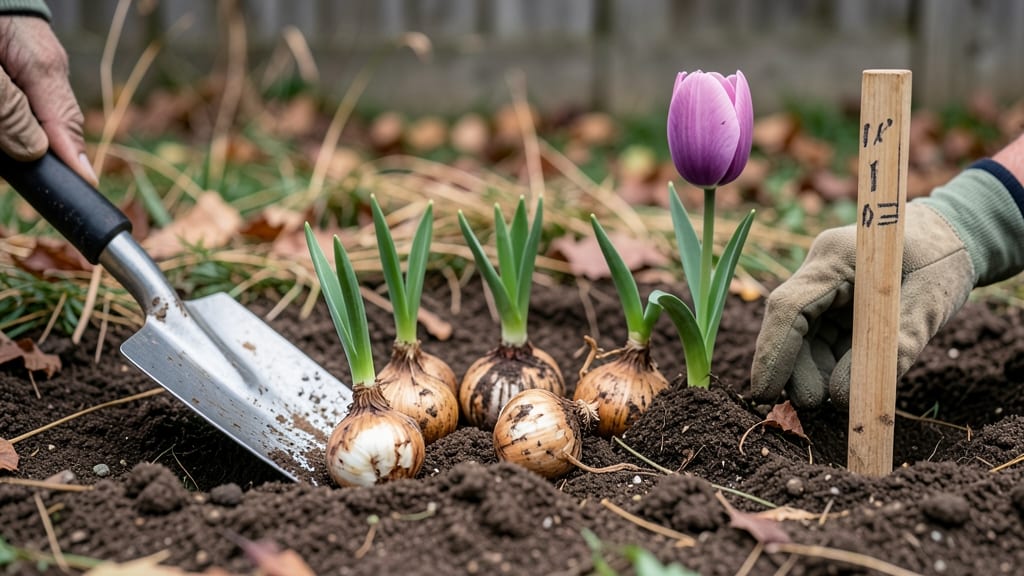
Planting tulips in Tennessee at the right time is the secret to those show-stopping blooms that brighten your spring garden. With USDA zones 6a-7b and unpredictable frost dates, timing matters more than you might think.
The ideal window falls between October and November, but getting it just right depends on your specific zone and soil conditions.
Why does this matter? Because tulips need 6-8 weeks of cool soil before the ground freezes to establish strong roots. Plant too early, and they’ll rot; too late, and they won’t bloom.
I’ll break down the exact months for your area—whether you’re in Nashville, Chattanooga, or Knoxville—and how to adjust for early or late winters.
You’ll also discover the critical factors that determine success, like soil temperature, bulb depth, and spacing. Plus, I’ll share common mistakes Tennessee gardeners make—and how to avoid them. Let’s get those tulips in the ground the right way for a garden that’ll make your neighbors jealous.
Ready to transform your yard with vibrant 🌷 tulips? The clock is ticking, and the perfect planting window is just ahead. Let’s make sure you’re ready when it arrives.
Best planting months for tulips in Tennessee by hardiness Zone (exact dates)
Tennessee spans USDA hardiness zones 6b to 7b, meaning your tulip planting window depends heavily on where you live. Most gardeners in Nashville (Zone 7a) and Chattanooga (Zone 7b) can plant as late as early December, while those in Knoxville (Zone 6b) should aim for October.
The key is planting 6-8 weeks before the first hard frost, which typically arrives between mid-October and early November.
Soil temperature is your best guide: tulip bulbs need the ground to be below 60°F (15°C) but not frozen. In Tennessee, this usually happens in late October, but early frosts can push your window earlier.
For example, Memphis gardeners (Zone 7b) often plant in early November, while Bristol (Zone 6b) may need to plant by late October.
Here’s a quick rule of thumb: Count backward 6 weeks from your average first frost date. Use your local Cooperative Extension Service frost data or check Almanac.com for your city’s specific timeline. For instance, if your first frost is November 15th, aim to plant by October 1st.
Missed the window? Early December is still acceptable if the ground isn’t frozen, but bulbs planted after December 15th risk poor root development and fewer blooms. In Zone 7b (Chattanooga, Nashville), you can sometimes squeeze in a late planting in early January, but success isn’t guaranteed.
| Zone | Ideal Planting Window | Soil Temp Threshold | Last Chance |
|---|---|---|---|
| 6b (Knoxville, Bristol) | October 15–November 15 | Below 60°F (15°C) | December 1 (if unfrozen) |
| 7a (Nashville) | October 30–December 1 | Below 60°F (15°C) | December 15 (risky) |
| 7b (Chattanooga, Memphis) | November 1–December 10 | Below 60°F (15°C) | January 5 (late, low success) |
Pro tip: Use a soil thermometer to confirm ground temps. If it’s above 60°F (15°C), wait a few days—warm soil can cause bulbs to sprout too early and get damaged by frost.
In Zone 7b, I’ve planted as late as December 10th with great success, but I always check the forecast for unseasonably cold snaps.
For container gardening, your window is slightly shorter. Pots cool faster, so plant 4-6 weeks before frost (typically October 1–15) and move containers to a protected spot or garage if freezing temps are forecasted.
Use black plastic pots to absorb heat and extend your planting window by a week or two.
If you’re unsure about your zone, enter your ZIP code into the USDA Plant Hardiness Zone Map. Tennessee’s zones can vary dramatically even within cities—elevations above 1,000 feet (like Lookout Mountain) may drop you into Zone 6a, requiring an earlier planting schedule.
Always err on the side of planting too early rather than late; bulbs can wait in the ground, but they won’t recover if frozen.
Once you’ve nailed the timing, focus on soil prep. Tulips thrive in well-draining, slightly acidic soil (pH 6.0–7.0). Amend heavy clay soils with compost or sand to prevent rot, and avoid fresh manure—it can burn bulbs.
In Tennessee’s humid climate, adding a 1-inch layer of mulch after planting helps retain moisture and insulate bulbs during winter.
Remember: Tulips are perennials in Tennessee, but they often decline after 3–4 years. For long-term blooms, divide and replant bulbs every 3–4 years in late summer (August). This keeps your garden vibrant and prevents overcrowding.
Critical factors that determine your tulip planting timeline in Tennessee
Tennessee’s variable climate means your tulip planting window isn’t just about the calendar—it’s about soil temperature, frost dates, and even bulb size. In USDA zones 6b-7a, the ideal time to plant is when daytime temps drop to 60°F (15°C) and nighttime temps hover around 40°F (4°C).
This usually lands in late October to early November, but early frosts in the mountains or late springs in Memphis can shift that window by weeks.
For Nashville and Middle Tennessee (zone 6b), aim for October 15–November 15. In Chattanooga and East Tennessee (zone 7a), you’ve got a little more flexibility—plant between October 20–December 1.
Knoxville’s higher elevation means slightly earlier planting, around October 1–October 15, to avoid early snow cover. Always check your local first frost date (typically mid-October) and plant 4-6 weeks before the ground freezes.
Soil temperature is your secret weapon. Tulip bulbs need 40–50°F (4–10°C) soil to root properly. Use a soil thermometer to confirm—if temps are still above 50°F (10°C), wait a week or two.
In warmer microclimates (like urban Nashville), soil stays warm longer, so delay planting until late October. Conversely, in cooler mountain zones, soil cools faster, so plant earlier in October.
Bulb size matters too! Larger bulbs (12–16 cm) establish roots faster and can handle slightly later planting (up to mid-November in zone 7a). Smaller bulbs (8–10 cm) need 6–8 weeks of cool soil, so plant them 4–6 weeks before your average first frost.
Pro tip: Pre-chill bulbs for 6–8 weeks in the fridge if you’re planting outside the ideal window—this mimics natural dormancy and boosts root growth.
Don’t overlook moon phases for extra success. Planting during the waxing moon (when the moon is growing) encourages root development, while the waning moon promotes top growth. Check a moon phase calendar and align your planting with the waxing gibbous phase for stronger bulbs.
In Tennessee, this often falls in late October, perfect for zone 6b gardeners.
Local microclimates can throw off your timing. South-facing slopes warm up faster and may need later planting, while north-facing areas or shaded spots can handle earlier dates.
If you’re unsure, plant a test bulb in early October and monitor its progress—if it sprouts too early, it’ll be vulnerable to frost damage. Adjust your schedule based on what you learn.
Finally, bulb quality affects your timeline. Fresh, firm bulbs from reputable nurseries (like Barenbrug or Dutch Masters) root more quickly than older, soft bulbs. Store them in a cool, dry place (like a garage) until planting day.
Avoid bulbs with sprouts or mold—these won’t thrive, no matter how perfectly you time your planting.