
Plants
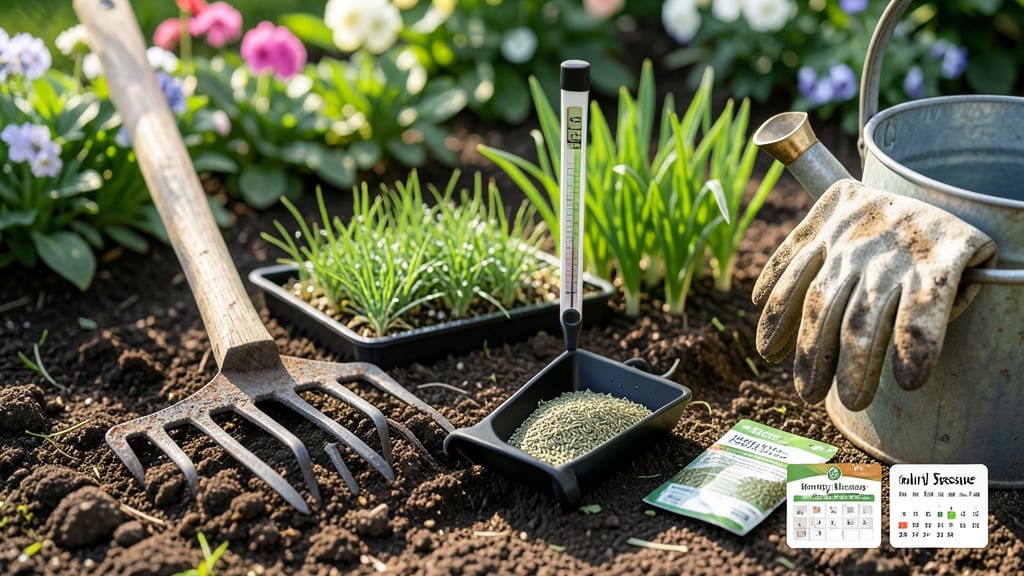
Planting your grass seed at the right time in spring could be the difference between a lush, green lawn by summer and months of patchy, weak growth. The ideal window isn't just about the calendar—it's about soil temperatures, frost risks, and your local climate zone.
In Zone 6a, like many general regions, timing is everything to give your 🌱 seed the best shot at thriving.
Most gardeners make one of two mistakes: planting too early when the soil is still cold or too late when summer heat arrives. Both can stall germination or invite weeds. The key is waiting until the soil reaches at least 55°F—usually 4-6 weeks after your last frost date.
For most of us, that means aiming for early to mid-April, but your exact timing depends on whether you're growing cool-season or warm-season grass.
Here's what you need to know: I'll break down the exact weeks to plant based on your zone, how to prep your soil for fast germination, and the critical factors that determine success.
Whether you're seeding a new lawn or repairing bare spots, getting this right saves you time, money, and frustration down the road.
Let's dive into the science-backed schedule that'll have your grass sprouting strong and healthy—no guesswork required. You'll walk away with a clear plan tailored to your climate, so you can finally stop second-guessing and start planting with confidence.
Spring planting windows by USDA hardiness zones for fast grass germination
Getting your grass seed in the ground at the right time in spring is like catching a wave—too early and you risk frost damage, too late and summer heat stunts growth.
The USDA Hardiness Zones act as your guide, with each zone having a 3-4 week window where soil temperatures and moisture align perfectly for germination. For most zones, this falls between late March and early June, but your exact timing depends on whether you're planting cool-season or warm-season grasses.
Cool-season grasses like Kentucky bluegrass and fescue thrive when soil temps hit 50-65°F, while warm-season types such as Bermuda and Zoysia need 65-75°F to sprout. My rule of thumb?
Plant cool-season grasses 4-6 weeks before your last frost date, and warm-season grasses after Memorial Day when the ground is consistently warm. Let’s break it down by zone so you can pinpoint your ideal weeks.
🌱 Did You Know?
Here’s your zone-specific planting schedule, including the ideal weeks, soil temperature goals, and key risks to avoid:
For example, if you’re in Zone 6a (like much of the Midwest), aim for late April when soil temps hit 55°F. In Zone 9a (Southern California), wait until late May or early June to avoid heat stress on seedlings.
Pro tip: Test your soil with a thermometer at 4-inch depth—surface temps can be misleading.
One common mistake I see is planting too early in zones with unpredictable frosts. If your area still has nighttime temps below 40°F, your seedlings will struggle. Conversely, planting too late (after June 15) in warm zones can lead to dormancy before roots establish.
The sweet spot? Consistent warmth + moisture—that’s your germination goldilocks
5 Critical factors that determine your ideal planting week in spring
Your ideal planting week for grass seed in spring isn't just about the calendar—it's about these 5 critical factors that create the perfect conditions for germination. First, soil temperature is non-negotiable: most grass seeds need soil between 50-65°F to sprout efficiently.
Plant too early when the ground is still cold, and your seeds will rot before they germinate.
Next, consider your local frost risk. Even if your calendar says spring, a late frost can wipe out tender seedlings. Check your last frost date and add 4-6 weeks as a buffer.
In Zone 6a, this typically lands in early April, but northern regions may need to wait until May.
Don't overlook rainfall patterns either. Grass seeds need consistent moisture to germinate, so aim for weeks with steady rain or plan to water daily. If your spring is dry, you might need to adjust your planting window to align with natural rainfall cycles or invest in irrigation.
Your grass seed type also dictates timing. Cool-season grasses like Kentucky Bluegrass and Fescue thrive when planted in early spring, while warm-season grasses such as Bermuda and Zoysia prefer late spring when soil is warmer. Mixing types? Plant cool-season first, then warm-season 6-8 weeks later.
Finally, soil preparation sets the stage. Loose, well-aerated soil with a pH of 6.0-7.5 gives seeds room to root. Test your soil 2-3 weeks before planting and amend it with compost or lime if needed. Skipping this step means slower germination and weaker grass overall.
🌱 Critical Factors for Spring Grass Seed Planting
- Soil Temperature: Wait until soil reaches 50-65°F (use a soil thermometer!)
- Frost Risk: Plant 4-6 weeks after last frost to avoid seedling damage
- Rainfall Patterns: Align planting with steady moisture (natural rain or irrigation)
- Grass Seed Type: Cool-season (early spring) vs. warm-season (late spring)
- Soil Prep: Loosen soil, test pH (6.0-7.5), add compost 2-3 weeks before planting
Pro tip: Use a soil thermometer to check temperatures at a 4-inch depth—this is where your seeds will be. If temps dip below 50°F, wait a few more days. Patience here pays off with faster, stronger germination and a lawn that's ready for summer heat.
By focusing on these factors, you'll avoid the two biggest mistakes: planting too early when conditions are still harsh, or too late when summer drought sets in. Your grass will thank you with vibrant green growth from day one. 🌿