
Plants
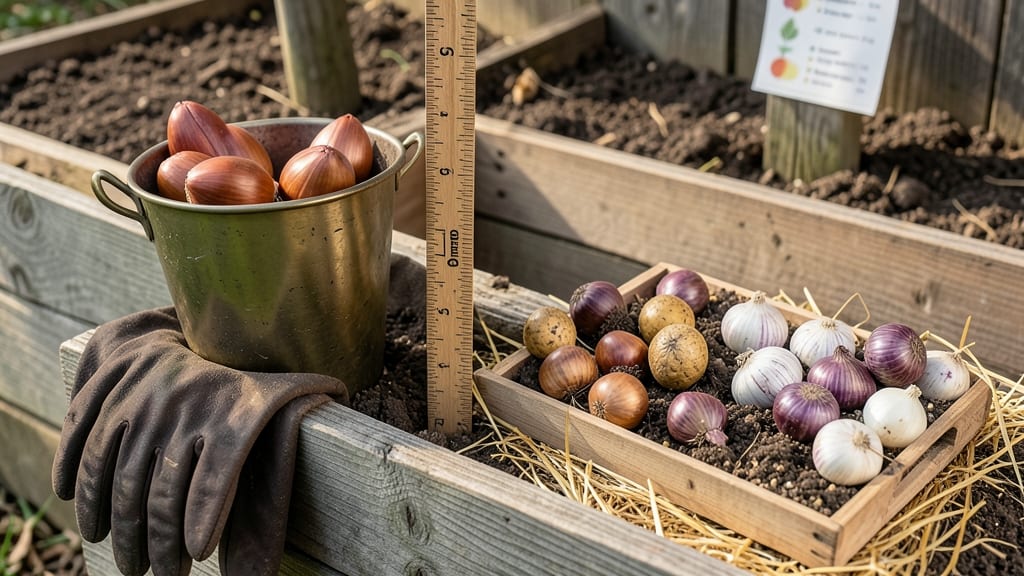
Planting your fall bulbs at the wrong time could mean waiting another year for those dreamy spring blooms—yet most gardeners still guess when to dig in. The secret lies in understanding chill hours and your local frost date, not just following a generic calendar.
In USDA Zone 6a, where I garden, the ideal window is 4-6 weeks before the first frost, typically mid-September to early October. But even in your area, timing matters more than you might think—too early, and bulbs rot; too late, and they won’t establish roots before winter.
I’ll break down exactly when to plant based on your zone, how chill hours affect bloom success, and pro tips to prepare soil for maximum root growth. By the end, you’ll know the perfect moment to tuck those bulbs into the earth for next spring’s showstopper flowers.
Ready to transform your garden? Let’s get those 🌱 bulbs in the ground at the exact right moment—no more missed opportunities or wilted dreams.
Fall bulb planting timeline by US hardiness zone: exact weeks before frost
Planting bulbs at the right time in fall ensures they get the chill hours they need to bloom beautifully next spring. The ideal window is 4-6 weeks before your first frost date, but this varies dramatically by USDA hardiness zone and bulb type.
For example, tulips and hyacinths thrive in zones 3-8 when planted 6-8 weeks before frost, while daffodils and alliums are more flexible, tolerating planting up to 10 weeks out in colder climates.
Mild-winter zones (9-11) require special attention—planting too early can cause bulbs to sprout prematurely and rot. In these areas, aim for 3-4 weeks before frost or even late fall.
To simplify, I’ve created a zone-by-zone planting chart below that includes chill-hour requirements and ideal planting windows for popular bulbs.
| USDA Zone | Weeks Before Frost | Chill Hours Needed | Best Bulbs for Zone | Ideal Planting Month |
|---|---|---|---|---|
| 3-5 | 8-10 weeks | 1,000-1,500 hrs | Tulips, Daffodils, Hyacinths | Late August - Early September |
| 6-7 | 6-8 weeks | 800-1,200 hrs | Tulips, Alliums, Crocus | Mid-September - Early October |
| 8-9 | 4-6 weeks | 400-800 hrs | Daffodils, Grape Hyacinths | Late October - November |
| 10-11 | 3-4 weeks | 200-400 hrs | Daffodils, Snowdrops | November - December |
If you’re unsure about your last frost date, check your local cooperative extension service or use a frost calendar app.
For example, in Zone 6a, where I garden, the first frost typically hits around October 15, so I aim to plant most bulbs by early to mid-September.
Some gardeners make the mistake of waiting too long, thinking "it’s still warm out." But bulbs need 6-8 weeks of cool soil (below 60°F) to root properly. Planting too late risks bulbs sitting in warm soil and rotting before winter sets in.
For tulips, which are particularly sensitive, I recommend planting on the earlier side of your zone’s window. They need more chill hours and may fail to bloom if planted too late. Daffodils, on the other hand, are more forgiving and can handle later planting in most zones.
If you’re in a mild-winter zone (9-11), consider using pre-chilled bulbs or planting in shaded or cool microclimates (like north-facing beds) to mimic colder conditions. Some nurseries even sell "warm-climate" bulb varieties that require fewer chill hours.
Remember, the goal is to give your bulbs enough time to establish roots before the ground freezes. Once frost hits, they’ll enter dormancy and wake up in spring ready to bloom.
Finally, mark your calendar now! The best time to plant is when soil temperatures drop below 60°F but before the ground freezes solid. That’s your sweet spot for perfect spring blooms! 🌱
How chill hours determine bloom success: what your bulbs really need
Most gardeners focus on frost dates when planting fall bulbs, but the real secret to vibrant spring blooms lies in chill hours. These are the cumulative hours your bulbs spend between 32°F and 45°F during dormancy.
Without enough chill, bulbs may produce weak stems, sparse flowers, or—worst of all—no blooms at all.
For example, tulips and hyacinths typically need 12-16 weeks of chill, while daffodils and alliums often thrive with just 8-12 weeks. Planting too early in warm climates can trick bulbs into sprouting before they’ve met their chill requirements, leaving them vulnerable to frost damage.
In USDA Zone 6a, where I garden, most bulbs get enough chill naturally, but in warmer zones (7b+), you may need to plant earlier or use refrigeration tricks (like pre-chilling bulbs in the fridge) to mimic winter conditions.
Here’s how chill hours break down for popular bulbs and what it means for your planting schedule:
| Bulb Type | Chill Hours Needed | Planting Window (Zone 6a) | Notes |
|---|---|---|---|
| Tulips | 12-16 weeks | Mid-September to early October | Needs deep dormancy; avoid warm soil |
| Daffodils | 8-12 weeks | Late September to November | More flexible; tolerates partial shade |
| Hyacinths | 14-16 weeks | Early September to mid-October | Fragrant but needs cool soil to root |
| Alliums | 6-10 weeks | October to November | Drought-tolerant; plant later for best results |
If you’re in a warmer climate (Zone 8+), aim to plant bulbs 8-12 weeks before your average first frost—often by late August.
In cooler zones (4-5), you can plant as late as November, but avoid planting when soil temps drop below 40°F, as roots won’t establish.
Pro tip: Use a soil thermometer to check temps—ideal planting soil should be 50-60°F. If your soil is too warm, wait a few weeks or plant in shaded areas to cool the ground naturally.
Remember, bulbs need 6-8 weeks of root growth before winter sets in. If you plant too late, they’ll struggle to anchor themselves, leading to weak stems and fewer blooms next spring. Don’t let chill hours become your gardening mystery—master them, and you’ll enjoy bigger, brighter blooms every year.