
Plants
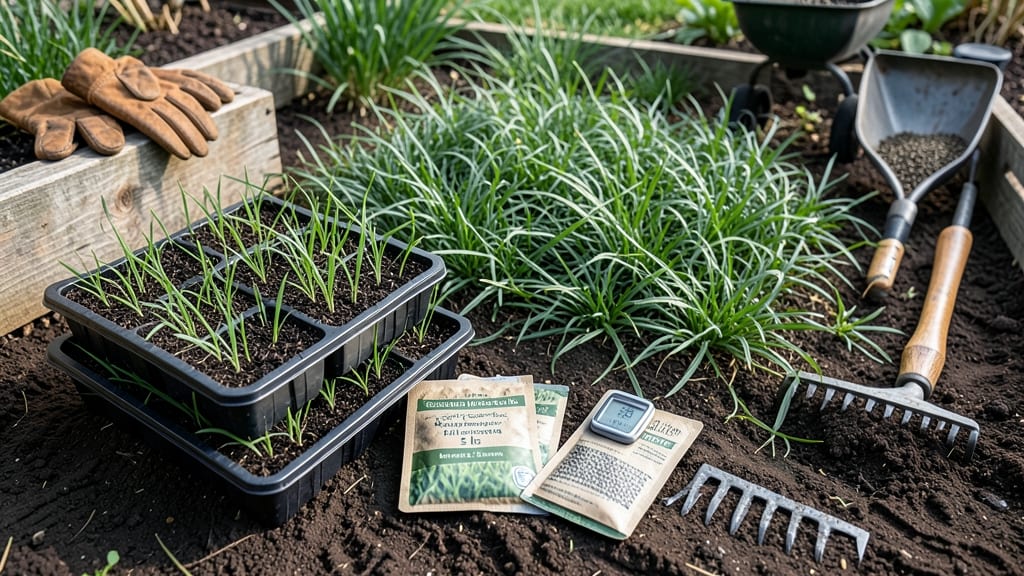
If you’ve ever wondered when is the best time to plant grass in Michigan, you’re not alone—especially when staring at your early May lawn and questioning why your seed isn’t taking root.
The best time to plant isn’t just about picking a random weekend; it’s about understanding how 5b-6b climate zones and frost patterns create a narrow window for success.
Most gardeners assume spring is the only option, but Michigan's unpredictable weather means fall planting often yields thicker, more resilient turf with fewer weeds. The key lies in timing: planting too early risks frost damage, while waiting too long means missed opportunities for root establishment before winter.
In this guide, I'll break down exactly when to plant—whether you're in northern Michigan's cooler regions or southern areas with slightly longer growing seasons—and how to prepare your soil for maximum germination. You'll learn the 3 critical factors that separate a patchy lawn from a lush, envy-worthy yard.
Let's get your grass off to the right start—because in Michigan, getting it right the first time saves you months of frustration (and money) down the road.
Spring vs fall grass planting in Michigan: the science behind the seasons
Michigan’s cool-season climate creates a tight window for planting grass seed—just 4-6 weeks before the last frost or in early fall when soil stays warm. The difference between spring and fall success boils down to soil temperatures, moisture retention, and avoiding heat stress or early frosts.
Let’s break down the science behind each season’s ideal timing.
Spring planting in Michigan typically starts late April to early June, once soil temperatures hit 50°F (10°C) at a 4-inch depth. This ensures seeds germinate quickly before summer’s drought conditions kick in. However, planting too early—before April 15—risks frost damage or slow growth.
Southern Michigan’s warmer microclimates (like USDA Zone 6b) can push this window to March 20, while northern areas (Zone 5b) should wait until May 1.
Fall planting, on the other hand, thrives when soil remains 60°F (15°C) or warmer but avoids mid-October frosts. The ideal window is September to mid-October, giving grass 4-6 weeks to establish roots before winter dormancy.
This method often yields thicker turf because cool temps reduce weed competition and water evaporation stays low.
Here’s the critical comparison: Spring planting races against summer heat and weed pressure, while fall planting benefits from consistent moisture and fewer pests. Both seasons require consistent watering—1 inch per week—but fall’s cooler air means less water loss to evaporation.
🌱
| Factor | Spring Planting (Late April–Early June) | Fall Planting (September–Mid-October) |
|---|---|---|
| Soil Temperature | 50–65°F (10–18°C) | 60–70°F (15–21°C) |
| Weather Risks | Late frosts, summer drought | Early frosts, heavy rain |
| Watering Needs | Daily (1 inch) | Bi-weekly (1 inch) |
| Weed Competition | High (summer weeds) | Low (cool temps) |
| Establishment Time | 6–8 weeks | 4–6 weeks |
| Best For | Fast summer coverage | Thick, durable roots |
Michigan’s northern vs. southern divide also plays a role. In Upper Peninsula regions (Zone 5b), aim for May 15–June 15 in spring or August 20–September 15 in fall.
Meanwhile, southern Michigan (Zone 6b) can start spring planting as early as April 1 and extend fall planting to October 15—just 4 weeks before the first frost.
One critical mistake many Michigan gardeners make is planting too late in spring (after June 15) or too early in fall (before September 1). Late spring seeds struggle with heat stress, while early fall seeds risk frost damage before rooting.
Use a soil thermometer to confirm temps—50°F+ for spring, 60°F+ for fall.
For best results, I recommend fall planting in Michigan’s climate. The cooler air and higher humidity create ideal conditions for seed germination and root growth. Plus, you’ll avoid the weed explosion that hits lawns planted in late spring.
Just mark your calendar for September 15—that’s your sweet spot for most of the state.
🌿
Pro tip: If you’re torn between seasons, consider overseeding in early spring (March–April) for fast green-up or late fall (November) to fill thin spots. Just remember—Michigan’s weather is unpredictable, so always have a backup plan for sudden frosts or droughts.
Michigan-specific grass types: which seed thives in spring vs fall planting?
Michigan’s climate favors cool-season grasses, which dominate lawns across the state. These varieties thrive in spring and fall planting, aligning perfectly with Michigan’s USDA Zones 5b-6b.
The most popular choices—Kentucky bluegrass, tall fescue, and perennial ryegrass—are designed to handle Michigan’s cold winters and hot summers, making them ideal for both seasons.
For spring planting, focus on Kentucky bluegrass and perennial ryegrass.
These grasses establish quickly, giving them an edge when planted 4-6 weeks before the last frost (typically late April to early May). Tall fescue, while slower to germinate, offers drought tolerance and deep root systems, making it a great choice for southern Michigan’s hotter summers.
Fall planting shifts the spotlight to tall fescue and fine fescue, which establish roots before winter dormancy. Planting in September to mid-October allows seeds to germinate in warm soil while avoiding late-summer heat stress. Kentucky bluegrass also performs well in fall, provided you plant 6-8 weeks before the first frost.
🌱 Michigan Grass Seed Summary
| Variety | Best Planting Season | Establishment Time | Michigan Adaptation |
|---|---|---|---|
| Kentucky Bluegrass | Spring or Fall | 14-21 days | Cold-hardy, spreads aggressively |
| Tall Fescue | Fall (best) or Spring | 21-30 days | Drought-resistant, deep roots |
| Perennial Ryegrass | Spring (fastest) | 7-14 days | Quick cover, good for mixes |
| Fine Fescue | Fall (ideal) | 14-28 days | Shade-tolerant, low-maintenance |
Avoid warm-season grasses like Bermuda or Zoysia unless you live in southern Michigan’s Zone 6b, where summers are long enough for them to thrive. These varieties struggle with Michigan’s short growing season and cold winters, often going dormant or dying back entirely.
Stick to cool-season blends for reliable results across the state.
For northern Michigan (Zones 5a-5b), prioritize tall fescue mixes with 20-30% Kentucky bluegrass for durability. In southern Michigan, add perennial ryegrass to blends for faster germination and shade tolerance. Always check seed labels for Michigan-adapted varieties, as regional strains perform better in local conditions.
Pro tip: If you’re over-seeding an existing lawn, choose a fine fescue blend in fall—it fills gaps without competing with established grass. For new lawns, a Kentucky bluegrass-tall fescue mix balances beauty and resilience in Michigan’s variable climate. 🌿