
Plants
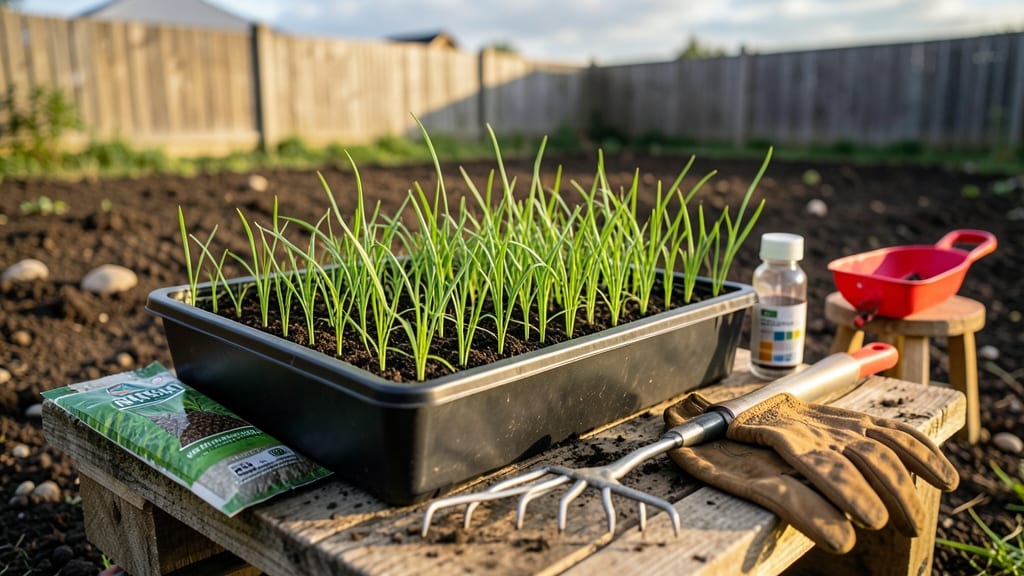
Timing your grass planting in Wisconsin isn't just about the calendar—it's about catching that sweet spot between soil temperatures and frost-free deadlines that make all the difference. Skip the guesswork, and you could end up with patchy lawns or wasted seed, especially when unpredictable spring weather throws curveballs.
I’ve spent years helping Wisconsin homeowners get their lawns just right, and the best window isn’t as simple as “plant in spring.”
Whether you’re in Zone 4b or 6a, knowing when the ground warms to 50–65°F and how late you can push fall planting without risking frost is the key to success.
In this guide, I’ll break down the exact planting windows for your area, including how to adjust for Wisconsin’s microclimates and common weather delays.
You’ll learn which grass types thrive here, how to prep your soil, and what to watch for after planting—so you can finally stop second-guessing and start growing.
Ready to transform your lawn from “meh” to “wow”? Let’s get started with the timing and techniques that actually work for Wisconsin’s climate.
Wisconsin grass planting timeline by hardiness Zone: soil temps and frost-free deadlines
Wisconsin spans USDA Zones 3b to 5a, meaning your ideal planting window depends heavily on where you live. In northern Wisconsin (Zones 3b-4a), frost lingers longer, while southern Wisconsin (Zones 4b-5a) enjoys earlier springs. The key? Plant when soil temps hit 50-65°F and stay consistent for 7-10 days.
Spring planting should begin 4-6 weeks before your average last frost date, while fall planting should wrap up 6 weeks before your first frost. For most of Wisconsin, this means early April to mid-May for spring and mid-September to early October for fall.
Timing matters—plant too early, and frost will kill seedlings; too late, and summer heat stresses young roots.
Here’s how Wisconsin’s zones break down for optimal planting:
If you’re in Zone 3b, aim for April 15–May 5 in spring—any earlier, and frost will damage tender seedlings. For Zone 5a, you can start as early as mid-March, but wait until soil warms to 55°F to avoid slow germination.
Fall planting is trickier; plant too late, and roots won’t establish before winter.
Pro tip: Use a soil thermometer to confirm temps. Stick it 2 inches deep in the soil and monitor for 3 consecutive days above 50°F. If temps dip below 40°F at night, cover seedlings with frost cloth until they’re 3–4 inches tall and rooted.
Wisconsin’s microclimates can shift planting windows by 2–3 weeks. For example, urban areas like Milwaukee may warm up faster than rural northern Wisconsin. Check local weather stations or ask neighbors with established lawns—they’ve likely already learned the best timing for their specific spot.
For late spring plantings, choose fast-germinating seeds like Tall Fescue (germinates in 7–14 days) or use sod instead of seed for instant coverage. If you miss spring, fall is your next best bet—but stop by September 15 in most zones to avoid winter stress.
Remember: Grass needs 6–8 weeks to establish roots before winter
How to adjust grass planting for Wisconsin’s microclimates and common weather delays
Wisconsin’s climate isn’t one-size-fits-all—what works in Zone 4b in northern Wisconsin might fail in Zone 6a near Milwaukee. Microclimates, like urban heat islands or shaded yards, can shift your planting window by 2-4 weeks.
I’ll show you how to adapt your timeline based on your specific location and common weather delays that throw off even the best-laid plans.
For example, northern Wisconsin (Zones 3b-4a) often sees frost lingering until mid-June, while southern areas might be frost-free by early May. If you’re in Madison or Green Bay, aim for late April to early May for spring planting.
But if you’re in Milwaukee or Racine, you can start as early as mid-April—just check your local frost-free date first.
🚨 INSERT VISUAL ELEMENT HERE 🚨
⚠️ Common Weather Delays & Fixes
🌱
If your spring arrives late (like in 2021 or 2023, when Wisconsin saw delayed frost-free dates by 2+ weeks), don’t panic. You can still plant grass successfully by using cover crops or temporary frost cloths to protect young seedlings.
Ryegrass, for example, germinates faster (7–14 days) than fescue (14–21 days), making it a great choice for tight schedules.
For fall planting, the window narrows quickly—aim to plant 6 weeks before the first frost (usually late August to early September). If you miss this, your grass may not establish strong roots before winter.
In northern Wisconsin, this could mean planting by mid-August, while southern areas get a 2-week extension.
Another trick for delayed springs? Choose drought-tolerant grasses like Tall Fescue or Buffalo Grass, which handle dry spells better than Kentucky Bluegrass. Pair this with deep watering (1 inch per week) and mulch to lock in moisture.
Even a 2-inch layer of straw mulch can improve germination rates by 30% in unpredictable weather.
Finally, urban gardeners in cities like Milwaukee or Madison often face urban heat islands, where pavement and buildings trap heat. This can push your planting window 2 weeks earlier than rural areas.
Use a shade cloth if your lawn gets too hot (>85°F), and water deeply in the early morning to avoid evaporation.