
Plants
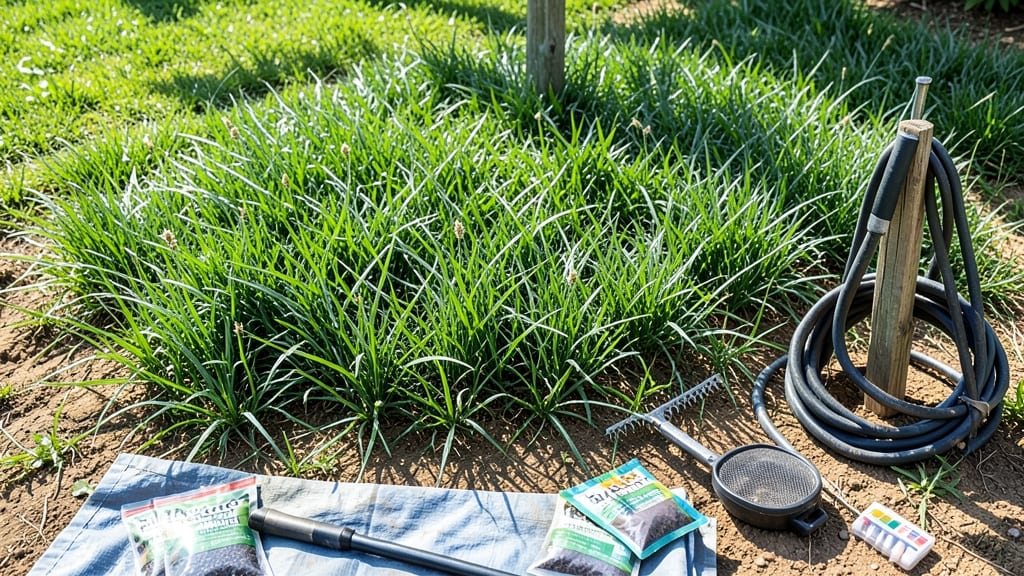
If you’ve ever stared at a patchy Oklahoma lawn and wondered when is the best time to plant grass seed, the answer isn’t just about the calendar—it’s about beating the heat, outsmarting droughts, and working with Mother Nature’s rhythm.
The cool-season window (September through October) gives your grass seed the perfect head start, with soil temps just right for germination and fewer weeds to compete for space.
Why does timing matter so much in Oklahoma’s 6b-8a zones? Because summer’s scorching sun and winter’s hard freezes can turn even the hardiest grass seed into a gamble. Plant too early, and you’ll battle weeds; too late, and frost will stall growth.
The 6-week window between early September and mid-October is your sweet spot—where cooler air, consistent rainfall, and longer days set your lawn up for fast, thick establishment.
But here’s the kicker: Oklahoma’s microclimates mean the “best time” can shift from the Panhandle to the Ozarks. Urban heat islands in Tulsa or Oklahoma City might push your window later, while rural areas could need an earlier start.
I’ll break down how to read your local frost dates, soil temps, and rainfall patterns to pinpoint your ideal planting window—no guesswork required.
Ready to ditch the patchy lawn? Let’s dive into the pro tips that’ll have your grass seed sprouting like clockwork, whether you’re seeding in spring or nailing that fall window. Your future lawn will thank you.
Oklahoma’s ideal grass seed planting window: cool-season timing explained
Oklahoma’s cool-season grasses like tall fescue and Kentucky bluegrass thrive when planted during a 6-week window in early fall. This period—roughly early September to mid-October—aligns perfectly with soil temperatures between 50–65°F, which is ideal for seed germination and root establishment.
The early fall window offers cooler air, consistent rainfall, and longer daylight hours than spring, giving grass seeds the best chance to germinate before winter dormancy.
Planting too early in fall risks early frosts, while waiting too long may leave seeds vulnerable to drought stress or winter desiccation.
For warm-season grasses like Bermuda grass or Zoysia, the window shifts to late spring (April–May), but these are less common for Oklahoma lawns. Focus on cool-season varieties for year-round green coverage.
🌱
| Factor | Ideal Condition | Why It Matters |
|---|---|---|
| Soil Temperature | 50–65°F | Promotes root growth without heat stress. |
| Daylight Hours | 10–12 hours | Supports photosynthesis for faster germination. |
| Rainfall | 1–2 inches weekly | Keeps soil moist for seed-to-soil contact. |
| Frost Risk | 4–6 weeks before first frost | Ensures grass establishes roots before dormancy. |
Spring planting (March–April) is a second-best option but comes with risks. Late frosts can damage tender seedlings, and summer heat may stress new growth before roots deepen. If you must plant in spring, choose hardy varieties like tall fescue and water deeply twice daily until germination.
Oklahoma’s USDA Zones 6b–8a mean your exact timing may vary slightly. Northern regions (e.g., Oklahoma City) can plant 2 weeks earlier than southern areas (e.g., Tulsalocal frost dates—aim to finish planting 4–6 weeks before the first expected frost.
Pro tip: Use a soil thermometer to confirm temps. If soil is warmer than 70°F, wait—seeds may dry out before sprouting. Morning planting (before 10 AM) reduces evaporation and improves success rates.
After planting, mulch lightly with straw to retain moisture and protect seeds from bird foraging. Avoid heavy mulch, which can smother seedlings. Keep the area consistently moist (not soggy) for 3–4 weeks or until grass reaches 2–3 inches tall.
💧
Why does fall planting outperform spring? Cooler temps reduce water stress, and shorter days signal grasses to focus on root growth over leafy topgrowth. By winter, your lawn will have a stronger root system to handle Oklahoma’s summer droughts and winter freezes.
For best results, pair planting with a starter fertilizer (high in phosphorus) to boost early root development. Avoid nitrogen-heavy fertilizers until grass is fully established—too much can burn tender seedlings.
How Oklahoma’s microclimates affect grass seed planting dates
Oklahoma’s diverse geography—from the Panhandle’s arid plains to the eastern forests’ humidity—means planting dates vary by 1-2 weeks across regions. The Panhandle (Zone 7b) often enjoys a longer fall window due to milder temps, while southeastern OK (Zone 8a) may face earlier freezes.
Even within cities, urban heat islands can delay frost by 10-14 days, creating microclimates where timing matters.
Elevation plays a critical role too. Areas like Oklahoma City (1,800 ft) typically plant 2 weeks earlier than mountainous regions like the Wichitas (2,000+ ft), where cooler nights extend the window.
Check your local USDA zone—most of Oklahoma falls in 6b-8a—and adjust your schedule accordingly to avoid heat stress or winter dormancy issues.
Rainfall patterns further complicate timing. The western half relies on fall moisture for germination, while the eastern half may need supplemental irrigation if September rains are scarce. Always monitor soil moisture—plant when the ground is damp but not soggy to prevent seed rot.
| Region | Ideal Planting Window | Key Adjustments |
|---|---|---|
| Panhandle (Amarillo, Guymon) | Late August–Mid-October | Drier soil; water deeply after planting. |
| Central OK (Oklahoma City, Stillwater) | Early September–Mid-October | Monitor urban heat; plant early if nights cool fast. |
| Eastern OK (Tulsa, Muskogee) | Mid-September–Early November | Higher humidity; ensure good airflow to prevent fungus. |
| Mountainous Areas (Wichitas, Arbuckle) | Late September–Early November | Cooler nights; extend window if frost isn’t imminent. |
If you miss the fall window, spring planting (March–April) is your backup—but it’s riskier. Early springs can bring unpredictable rains or late freezes, while late starts may leave your lawn vulnerable to summer heat stress.
For a safer spring option, try frost-seeding in late winter (February), when thawing soil allows seeds to work their way into the ground naturally.
Pro tip: Use a soil thermometer to confirm temps are 50–65°F before planting. In northern OK, this might mean waiting until mid-September, while southern OK could start as early as late August. Always plant 4–6 weeks before the first frost to give seeds time to establish roots.
Local weather patterns are your best guide—check the National Weather Service for 10-day forecasts and adjust your timeline. With the right timing, even Oklahoma’s unpredictable weather can’t stop you from growing a thick, resilient lawn. 🌱