
Plants
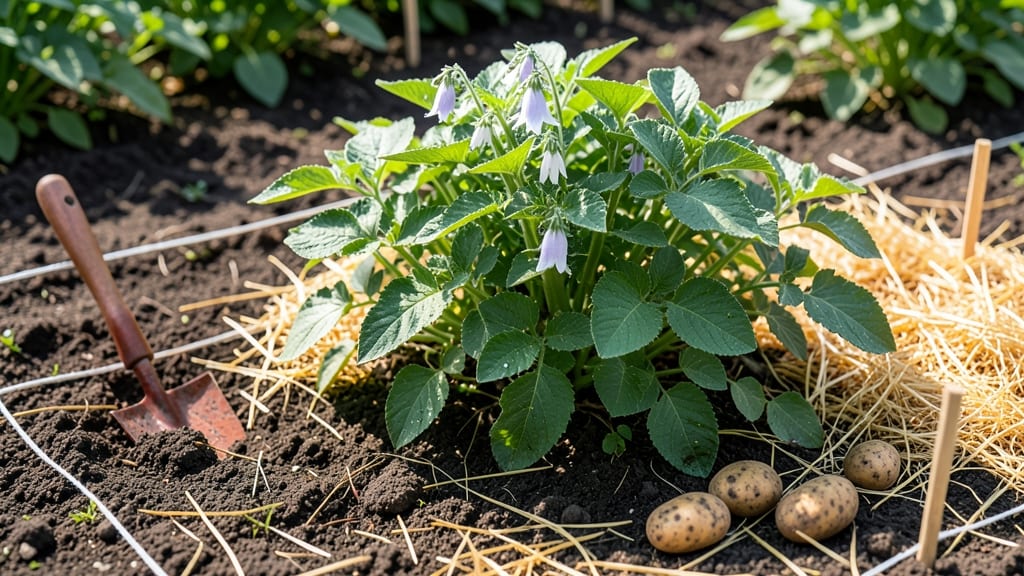
If you’ve ever wondered when is the best time to plant potatoes in North Carolina, the answer isn’t just "spring"—it’s about timing soil temperatures, frost dates, and your local USDA zone, which can shift dramatically from the mountains to the coast.
The difference between a thriving harvest and wasted effort often comes down to knowing these factors, as potatoes either bolt in the heat or rot before harvest if planted at the wrong moment.
I’ve spent years growing potatoes across North Carolina, and what I’ve learned is that planting too early in the cooler mountain zones (like 6b) risks frost damage, while waiting too long in the warmer coastal plains (zone 8a) can invite blight.
The sweet spot? Planting when soil hits 45°F and stays warm enough for steady growth—usually 2-4 weeks after your last frost date, depending on where you live.
What makes this even trickier is North Carolina’s humid climate, which means you might need to adjust your timing to avoid diseases. In this guide, I’ll break down the exact planting windows for each zone, plus pro tips for extending your harvest into fall.
Ready to grow potatoes that actually thrive? Let’s get started.
Whether you’re a first-time gardener or a seasoned grower, nailing the right timing will save you from common mistakes like stunted growth or early spoilage. By the end, you’ll know exactly when to plant for maximum yield—no more guesswork, just delicious, homegrown potatoes.
North Carolina potato planting dates by USDA hardiness zones (6b-8a)
Timing your potato planting in North Carolina depends heavily on your USDA hardiness zone—whether you're in the cool mountain regions (6b), the moderate Piedmont (7a), or the warm coastal plains (8a).
Each zone has distinct frost-free dates and ideal soil temperatures for germination, which can vary by 2-4 weeks across the state.
For zone 6b (western NC mountains like Asheville), aim to plant 2-4 weeks after your last frost date, typically between mid-March and early April.
In zone 7a (Piedmont areas like Raleigh), you can start as early as late February to mid-March, while zone 8a (coastal plains like Wilmington) gardeners should wait until mid-March to early April to avoid heat stress.
Potatoes thrive when soil temperatures reach 45°F (7°C)—any colder, and germination slows dramatically. Use a soil thermometer to confirm readiness, especially in clay-heavy NC soils that warm up slower. Warmer zones like 8a can even attempt fall plantings for a second harvest, but we'll cover that later.
🔍 Pro Tip: In NC's humid climate, planting too early risks blight from prolonged moisture, while late planting may not yield mature tubers before first frost (typically mid-October in 6b and late November in 8a).
| Zone | Last Frost Date | Ideal Planting Window | Soil Temp for Germination | First Frost Risk |
|---|---|---|---|---|
| 6b (Mountains) | Mid-April | March 15 - April 15 | 45°F (7°C) | Mid-October |
| 7a (Piedmont) | Late March | February 20 - March 30 | 45°F (7°C) | Late October |
| 8a (Coastal) | Early March | March 1 - April 1 | 50°F (10°C) | Late November |
🌱 NC Potato Planting Calendar by Zone
For early varieties like 'Yukon Gold' or 'Red LaSoda', zone 7a gardeners can push planting to late January under row covers for an earlier harvest. Meanwhile, late-season varieties such as 'Russet Burbank' need the full growing season, so stick to the mid-March window in warmer zones to avoid blight.
North Carolina's humidity levels also play a role—planting in late February in zone 7a can lead to fungal diseases if rains persist. Monitor your local weather forecasts and adjust planting by 1-2 weeks if spring arrives unusually early or late.
🌡️ Soil Temperature Check: Use a soil thermometer at 4-inch depth. If it's below 45°F (7°C), wait—potatoes won't sprout until conditions improve. In zone 8a, you might even see volunteer potatoes sprouting in February if winters are mild.
Remember, potatoes need 70-90 days to mature, so calculate backward from your first frost date. For example, in zone 6b, planting by April 15 ensures harvest before mid-October frost. Use seed potatoes (not grocery store potatoes) for best results—certified disease-free seed will give you stronger starts.
📅 Harvest Tip: In NC's hot summers, potatoes planted in late April may need shade cloth to prevent greening (toxic solanine buildup). Always harvest before vines die back, as tubers left in the ground too long become woody and inedible.
Signs your North Carolina soil is ready to plant potatoes (and how to fix common issues)
North Carolina’s clay-heavy soils and humid climate can make potato planting tricky if you miss the signs of readiness. Unlike sandy soils, clay holds moisture but drains poorly—leading to rotten tubers or stunted growth. Before planting, check these three critical indicators to ensure your potatoes thrive.
First, test your soil’s temperature. Potatoes need soil that’s at least 45°F (7°C)—warmer than most gardeners expect. Use a soil thermometer in the morning; if it’s cooler, wait 1-2 weeks. Cold soil delays germination, leaving your crop vulnerable to disease pressure from NC’s spring rains.
🌱 Visual Element: Callout-Warning
North Carolina’s clay soils can suffocate potato roots if not amended. Symptoms of compacted soil include:
- Slow sprouting (weeks after planting)
- Yellowing leaves despite adequate water
- Tubers forming near surface (poor drainage)
Fix it: Mix in 3 inches of compost or aged manure before planting. For severe clay, add coarse sand (50% sand, 50% soil) to improve aeration.
Next, assess moisture levels. Stick your finger 2 inches deep—soil should feel damp but not soggy. North Carolina’s spring showers can over-saturate beds, inviting fungal diseases like blight. If your soil stays waterlogged, raise beds or plant on mounds to promote drainage.
A simple permeability test works: Dig a 6-inch hole, fill with water, and time how long it drains. Ideal drainage takes 4-6 hours.
Don’t overlook pH balance, either. Potatoes prefer slightly acidic soil between 5.0 and 6.0. Test your soil with a kit (available at local garden centers) or send a sample to NC State Extension.
If pH is too high (alkaline), add elemental sulfur or pine needles; for low pH, use lime. Unbalanced pH reduces nutrient uptake, leading to small, misshapen tubers.
Finally, watch for weed competition, a silent threat in NC gardens. Weeds steal nutrients and moisture, stunting potato growth. Clear the planting area at least 2 weeks before sowing—tilling incorporates weeds while improving soil structure. For organic gardeners, smother weeds with cardboard or black plastic for 4-6 weeks pre-planting.
With these checks complete, your North Carolina soil should be ready for planting. Remember, amending soil is a long-term investment—repeat compost additions yearly for consistently high yields. Happy planting! 🌱