
Plants
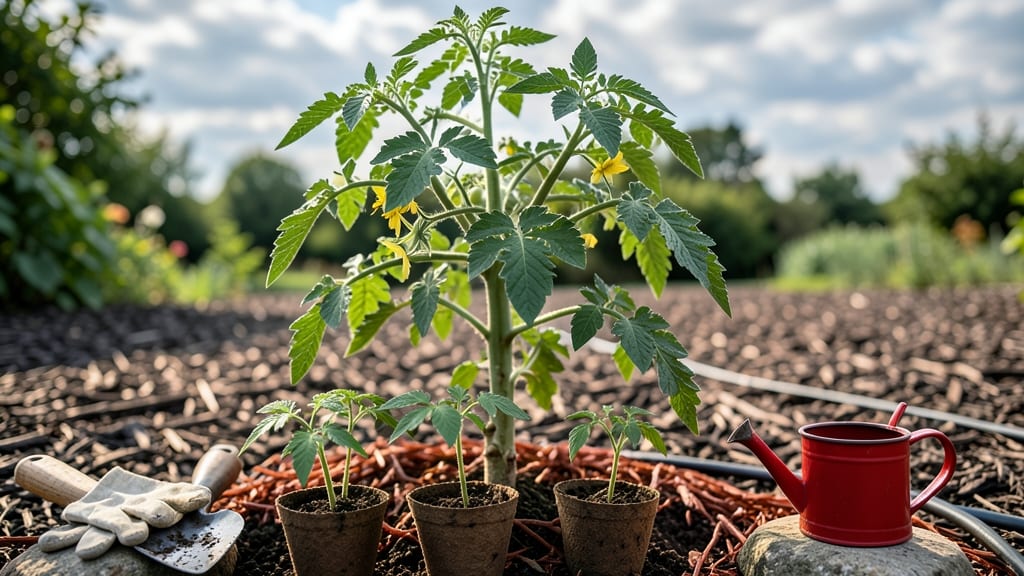
If you’ve ever stared at your seed packets wondering when is the best time to plant tomatoes in Indiana, you’re not alone—getting this wrong can mean the difference between a bumper crop of juicy 🍅 and a sad, stunted plant.
Indiana’s unpredictable springs make timing tricky, but the key lies in knowing your zone and working with Mother Nature, not against her.
For most of Indiana, especially in USDA Zone 6a, the sweet spot is late April to early June, right after the last frost—typically around April 15—but don’t just guess. Northern Indiana gardeners should hold off a little longer, while southern regions can push things a bit earlier.
The secret? Planting 2-4 weeks before the last frost date gives seedlings a head start indoors or in a greenhouse, ensuring they’re ready to thrive once temperatures stabilize.
Here’s the game-changer: soil temperature matters just as much as air temperature. Tomatoes need soil that’s at least 60°F to germinate properly, and waiting for that warmth (usually mid-May for most of the state) prevents cold-soaked seeds.
Whether you’re starting from seeds or transplanting young plants, this guide will help you pinpoint the best weeks for your specific corner of Indiana—no more second-guessing, just confident planting.
Ready to turn your garden into a tomato paradise? Let’s break down the exact weeks, regional tweaks, and pro tips to make sure your 🍅 plants grow strong, fruit heavy, and outlast even Indiana’s trickiest springs. You’ll never second-guess planting day again.
Indiana’s last frost dates by Zone: exact weeks before planting tomatoes for maximum success
Indiana’s USDA Hardiness Zones 5-6 create distinct planting windows for tomatoes. In Northern Indiana (Zones 5a-5b), like Lake County or Gary, the average last frost date falls around April 15, while Southern Indiana (Zones 6a-6b), including Evansville, typically sees frost end by March 30.
These dates mark your 2-4 week countdown to planting tomatoes.
Tomatoes thrive when planted after soil warms to 60°F and nighttime temperatures stay above 50°F. In Zone 5, this usually means waiting until late April to early May.
For Zone 6, you can start as early as mid-March to early April if using row covers or cold frames to protect young plants.
🌱
| Zone | Avg. Last Frost | Planting Window | Soil Temp. Threshold | Notes |
|---|---|---|---|---|
| 5a-5b (Northern IN) | April 15 | Late April - Early May | 60°F+ | Use row covers for earlier starts |
| 6a (Central IN) | April 1 | Mid-March - Late April | 55°F+ | Direct sow after frost risk passes |
| 6b (Southern IN) | March 30 | Late February - Early April | 50°F+ | Start seeds indoors for early harvests |
For Northern Indiana gardeners, the 2-4 week window before last frost means starting seeds indoors by mid-March. Transplant seedlings outdoors only after May 1 to avoid frost damage.
In Southern Indiana, you can direct-sow seeds as early as late March, but use black plastic mulch to warm the soil faster.
Purdue Extension recommends monitoring soil temperatures with a soil thermometer—tomatoes won’t germinate well below 55°F. If your soil is still cold, opt for heat-tolerant varieties like ‘Celebrity’ or ‘Better Boy’ that mature faster in cooler conditions.
🌡️
Microclimates play a role too. Urban areas like Indianapolis may experience 3-5°F warmer soil temperatures than rural farmland, allowing for earlier planting. Always check local frost records from the National Weather Service or Purdue Climate Data for your specific area.
Pro tip: Plant tomatoes after your sweet corn—corn’s shade helps regulate soil temps and deters pests like tomato hornworms. This intercropping trick works well in Zone 6 gardens where space is limited.
🌿
Tomato planting calendar for Indiana: start indoors vs. direct sowing by region
Indiana’s varied climate means your tomato planting strategy should change depending on whether you’re in Northern Indiana (Zones 5a-5b) or Central/Southern Indiana (Zones 6a-6b).
The difference between these regions can be 2-3 weeks in planting timing, so let’s break it down to help you avoid common mistakes like transplant shock or seedling rot from cold soil.
For Northern Indiana gardeners, starting seeds indoors 8-10 weeks before your last frost date (typically mid-March) gives you a head start. By the time the last frost passes (usually mid-April), your seedlings will be robust and ready to harden off.
In contrast, Central/Southern Indiana gardeners can push things later—direct sowing in early May is often successful if soil temperatures hit 60°F.
Here’s the key difference: Northern Indiana’s cooler springs demand indoor starts, while Southern Indiana’s milder climate allows for direct sowing or slightly later transplanting. Even within these regions, microclimates (like urban heat islands or sheltered valleys) can shift your ideal planting window by 1-2 weeks.
Indiana Tomato Planting Comparison
| Region | USDA Zone | Start Indoors | Direct Sow | Transplant Outdoors |
|---|---|---|---|---|
| Northern Indiana | 5a-5b | Mid-March (8-10 weeks before last frost) | Late May (soil ≥60°F) | Late April - Early May (after last frost) |
| Central Indiana | 6a | Late March (6-8 weeks before last frost) | Early May (soil ≥60°F) | Early to Mid-April (after last frost) |
| Southern Indiana | 6b | Early April (optional, 4-6 weeks before last frost) | Late April (soil ≥55°F) | Mid-April (after last frost) |
*Last frost dates vary yearly; check Purdue Extension for updates.
If you’re in Zone 6b (Southern Indiana), you can even experiment with early direct sowing in late April, but only if you’re using heat-tolerant varieties like ‘Celebrity’ or ‘Better Boy’. These tomatoes handle warmer soil better than traditional varieties, giving you a 2-week head start on the season.
For Northern Indiana, don’t rush to transplant—wait until nighttime temperatures stay above 50°F consistently. Use row covers or black plastic mulch to warm the soil faster if needed. And remember: hardening off seedlings (acclimating them to outdoor conditions) takes 7-10 days, so plan accordingly.
Pro tip: Mark your calendar for May 15 as a flexible deadline—this is when most of Indiana’s soil reaches that critical 60°F threshold. If you’re still waiting, consider container growing; pots warm up faster and give you more control over soil temperature.