
Plants
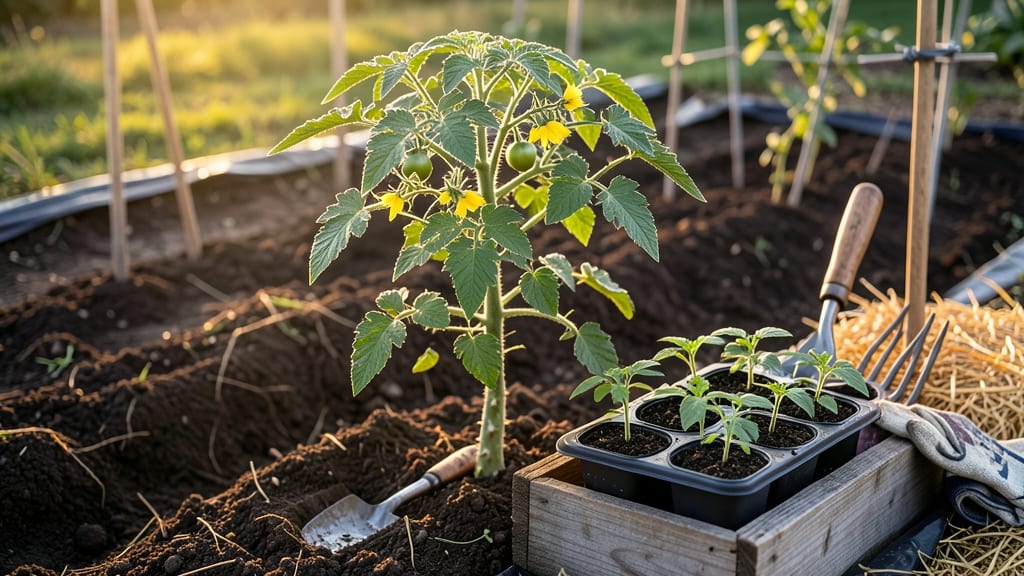
North Carolina tomato planting calendar by USDA zones (5b-8a): exact weeks for best yields
North Carolina spans USDA Zones 5b through 8a, creating wildly different tomato planting windows. In the mountains (Zone 5b-6a), gardeners should start seeds indoors by March 1st for a late-April transplant—while Coastal Zone 8a gardeners can plant directly in the ground as early as February 15th.
The key? Timing seedlings to mature after the last frost (typically mid-April in the mountains to early March on the coast) and before summer heat arrives.
For spring harvests, aim to transplant seedlings 2-3 weeks after your area's last frost date. In Zone 7a (Piedmont), that’s usually mid-April, while Zone 6b (foothills) waits until late April.
Fall planting for a late-season harvest works too—start seeds indoors in July for transplanting by mid-August, giving tomatoes 60-70 days to ripen before frost.
Here’s the breakdown by zone—including when to start seeds indoors vs. transplanting seedlings outdoors:
Pro tip: Use black plastic mulch to warm soil faster in cooler zones (like 5b-6a), which can extend your planting window by 1-2 weeks. For Zone 8a, prioritize heat-tolerant varieties like 'Heatmaster' to avoid blossom drop during summer’s peak heat.
Soil temperature is just as critical as air temperature. Tomatoes thrive when soil reaches 60°F or warmer. In Zone 6a, this might not happen until late April, while Zone 7b often hits 60°F by mid-March.
Use a soil thermometer to confirm—planting too early in cold soil leads to poor root growth and disease susceptibility.
For fall harvests, start seeds indoors in July and transplant by mid-August to give tomatoes 60-70 days to mature before frost. In Zone 5b, aim for early August transplanting to avoid early frost.
Coastal areas (Zone 8a) can push this to late August for a harvest into November.
Don’t overlook microclimates—a south-facing slope in Zone 6a might warm up faster than a north-facing valley, allowing you to plant 2 weeks earlier. Similarly, urban heat islands in Raleigh or Charlotte can
5 Critical factors that determine your ideal tomato planting time in NC (beyond zones)
North Carolina’s microclimates create planting challenges beyond just USDA zones. For example, the mountains (Zone 6a) can have 2-3 weeks earlier frost dates than the coast (Zone 8a), while Piedmont regions often experience hotter summers that demand heat-tolerant varieties.
These variations mean your ideal planting window could shift by 4+ weeks depending on where you live.
Let’s break down the 5 critical factors that influence your tomato planting timing—so you can adjust for your specific NC location. Soil temperature alone can make or break your harvest, and ignoring it means risking slow growth or blossom drop.
🌱
Even if you follow zone guidelines, these factors can shift your planting window by weeks. For example, my Asheville garden (Zone 6b) often plants 2 weeks later than my friend’s Raleigh garden (Zone 7b) because of cooler mountain nights.
Always check your local microclimate—a 5-mile difference can mean 10°F temperature swings.
Pro tip: Use a garden journal for 2-3 years to track your best planting dates. Note when tomatoes first set fruit, how long they took to mature, and any pests or diseases you encountered.
This helps you fine-tune future plantings—because next year’s weather will never be identical to this year’s!
☀️