
Trees
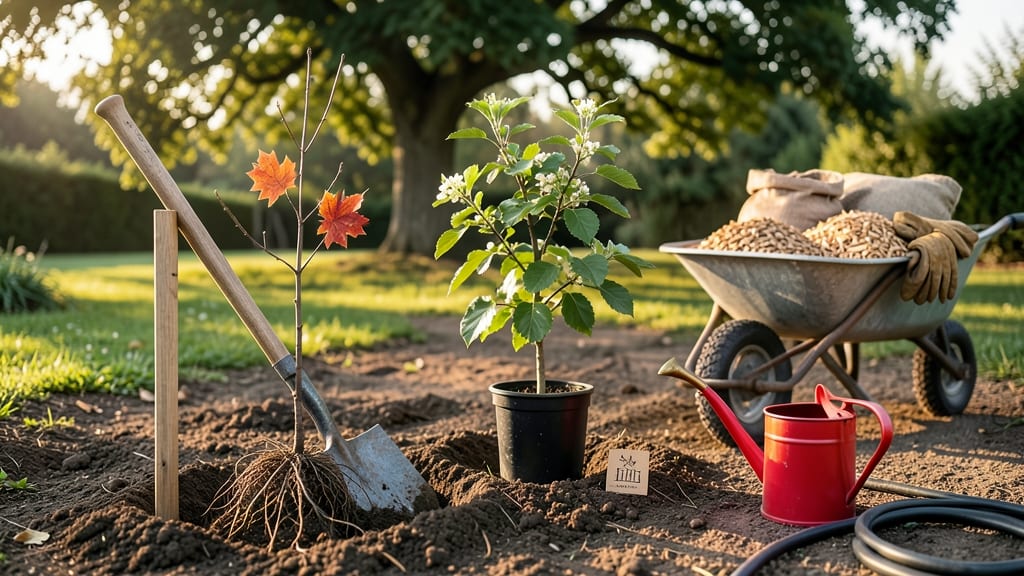
If you’ve ever wondered when is the best time to plant trees in Wisconsin, timing is the secret weapon you’re missing.
Planting a tree at the wrong time in Wisconsin’s 4a-6b zones can mean the difference between a flourishing canopy and a slow, vulnerable start—especially when frost sneaks in unexpectedly.
The best time to plant trees in Wisconsin isn’t just a single answer—it’s a balance between soil warmth, frost dates, and tree species.
Whether you’re eyeing a towering oak or a delicate birch, knowing whether to dig in during early spring or fall can save you from winter stress and root shock.
I’ll break down the exact windows for your region, from September’s ideal fall planting to the critical April-May spring rush, so you can avoid common pitfalls like planting too late in fall or too early in spring. Let’s get your trees off to the right start.
Ready to turn your yard into a thriving forest? The clock is ticking—here’s how to work with Wisconsin’s climate, not against it.
Wisconsin planting zones: when to plant trees by hardiness zone (4-6)
Wisconsin spans USDA hardiness zones 4a-6b, meaning your planting timeline depends heavily on your exact location. Northern regions like zone 4a face shorter growing seasons, while southern areas in zone 6b enjoy longer windows. The key is planting when soil temperatures stay above 40°F (4°C) for root establishment.
Most Wisconsin gardeners aim for two prime windows: early spring (April-May) and fall (September-October). Spring planting lets roots establish before summer heat, while fall planting gives trees time to root before winter dormancy. Evergreens like pine and deciduous trees like oak each have slightly different ideal timelines.
Here’s how Wisconsin’s zones break down for optimal tree planting:
| Zone | Spring Planting Window | Fall Planting Window | Key Consideration |
|---|---|---|---|
| 4a (Northern WI) | Mid-April to early May | Early September to mid-October | Soil thaws latest; prioritize cold-hardy species |
| 4b (Central-North WI) | Late April to early May | Late August to early October | Watch for late frosts; mulch heavily |
| 5a-5b (Central WI) | Early April to mid-May | Mid-September to mid-October | Best balance of soil warmth and frost risk |
| 6a-6b (Southern WI) | Late March to early May | Late September to early November | Longer windows; avoid planting too late |
For bare-root trees, the window is narrower—aim for dormant season planting (November-March) when roots aren’t active. Container-grown trees offer more flexibility, allowing planting throughout the growing season (April-October), but avoid extreme heat or cold.
Wisconsin’s last frost dates range from April 15 in the north to May 1 in the south. Planting 4-6 weeks before the first frost in fall gives roots time to establish. Use local Almanac frost date tools to pinpoint your exact timeline.
Soil temperature is critical—wait until it reaches 50°F (10°C) for most species. Use a soil thermometer to check, especially in zone 4a where cold soils delay root growth. Evergreens like spruce need cooler soil, while maples and oaks thrive in warmer conditions.
In zone 6b, you can push fall planting later—some gardeners plant Japanese maples as late as mid-November if soil stays unfrozen. However, zone 4a gardeners should wrap up by October 1 to avoid winter stress. Always mulch 3-4 inches deep after planting to insulate roots.
Pro tip: Container-grown trees can be planted year-round in Wisconsin (except during extreme cold), but spring or fall still offer the best success rates. If planting in summer, water daily for the first 2 weeks to prevent transplant shock.
🌳
Best tree varieties for Wisconsin planting: spring vs. fall deadlines
When it comes to best tree varieties for Wisconsin, timing isn’t just about the season—it’s about matching your species to the exact planting window that prevents winter stress.
For example, oak and maple trees need 6-8 weeks before first frost to establish roots, while pine and spruce can handle cooler fall soil better.
In spring, aim for early April to mid-May (after the last frost) for deciduous trees like birch and cherry. Evergreens like arborvitae can go in slightly earlier, as long as the ground isn’t frozen. The key? Soil temperature above 40°F—use a soil thermometer to check!
Fall planting is trickier but ideal for September to early October. Oaks, hickories, and elms planted in fall have 3x higher survival rates because their roots grow slowly in cool weather, avoiding transplant shock. But avoid planting after October 15—frost can damage tender new roots.
Ever wondered why some trees thrive while others struggle? It’s often about root establishment. Bare-root trees planted in fall have 60% more root growth before dormancy than those planted in spring. For container-grown trees, spring or early fall works year-round—just avoid extreme heat or cold.
Pro tip: Test your soil’s moisture before planting. If it’s dry, water 2-3 days beforehand to help roots settle faster. And always mulch heavily (3-4 inches) to protect roots from Wisconsin’s brutal winters.
Remember, late fall planting is risky—if frost hits before roots establish, your tree may not survive. Stick to these deadlines, and your trees will thank you with decades of shade and beauty. Happy planting!