
Plants
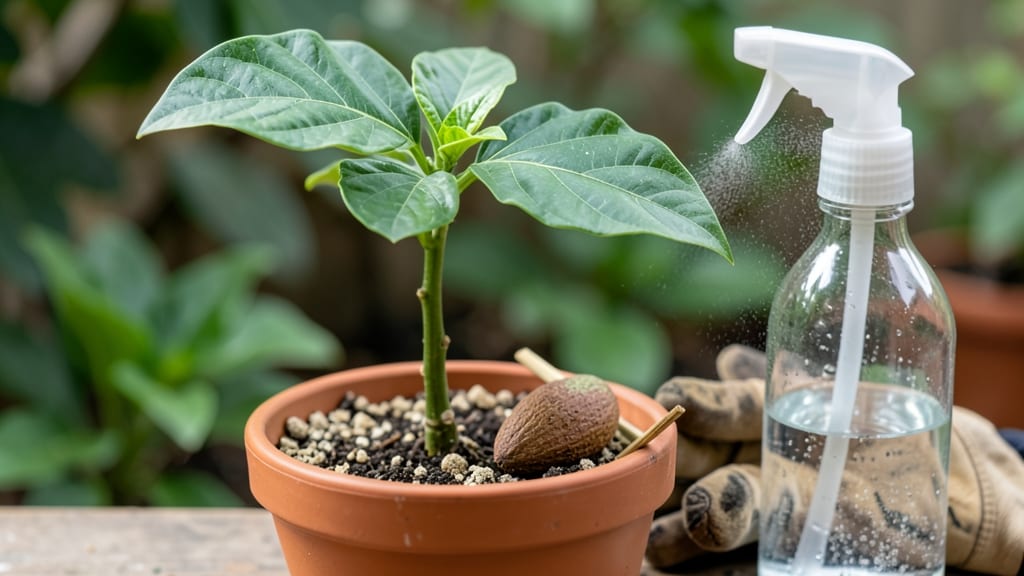
Planting an avocado seed in soil at the wrong time can mean the difference between a thriving 🥑 sapling and a sad, moldy mess.
The key isn't just waiting for spring—it's understanding the precise conditions your seedling needs to take root, whether you're starting indoors or outdoors in USDA Zone 6a.
Most gardeners make one of two mistakes: planting too early when the seed hasn't developed enough roots, or waiting until summer when the heat stresses young plants.
I've learned that the best window is actually March through April, right after your last frost date, when soil temperatures are steady and moisture levels are ideal for germination.
In this guide, I'll walk you through the exact week-by-week timeline for transplanting your avocado seed into soil, including how to tell when it's truly ready.
You'll discover the subtle cues that show your seedling is strong enough to handle real dirt—and how to avoid the three biggest mistakes that kill avocado seedlings before they even sprout.
Whether you're a first-time grower or just eager to skip the nursery and grow your own tree, these practical steps will give your avocado seed the perfect start. Let's get those roots in the ground the right way—no guesswork involved.
Optimal avocado seed germination timeline: week-by-week breakdown
Timing your avocado seed’s transition from water to soil is critical for success. The ideal germination window spans 4-8 weeks in water before planting, with week 6 being the sweet spot for soil transplant.
This timeline accounts for root development, seedling strength, and seasonal conditions—especially if growing outdoors.
Start by monitoring your seed’s root growth in water. Healthy roots should reach 2-3 inches before soil planting. If roots grow longer than 4 inches, they risk breaking during transplant. Week 4-6 is prime for transitioning to soil when roots are robust but not overly elongated.
For indoor cultivation, you can plant year-round, but spring (March-April) offers the best balance of warmth and humidity. Outdoors, wait until after your last frost date (typically mid-April in Zone 6a) to avoid cold shock. Use this timeline as your guide:
| Stage | Action | Conditions |
|---|---|---|
| Week 1-2 | Soak seed in water; change water every 2 days | Warmth (70-80°F), indirect light |
| Week 3-4 | Roots emerge; monitor for 1-inch growth | Humidity >50%; avoid direct sun |
| Week 5-6 | Plant in soil when roots reach 2-3 inches | Well-draining mix; 60-70°F soil temp |
| Week 7-8 | Seedling sprouts; provide bright light | 6+ hours sunlight; keep soil moist |
| Week 9+ | Fertilize lightly (10-10-10) when leaves appear | Outdoor: after last frost; indoor: year-round |
During weeks 1-2, your avocado seed is most vulnerable to rot or mold if water stagnates. Change the water every 2 days and keep it in a warm, humid environment (like a sunny windowsill). A plastic bag over the jar can boost humidity without overheating the seed.
By week 4, you’ll see white, fibrous roots emerging. This is your cue to increase light exposure gradually—3-4 hours/day of indirect sunlight prevents leggy growth. If roots exceed 3 inches, trim the longest ones to 2 inches before planting to encourage a stronger root base.
Transplanting into soil at week 6 aligns with the seed’s natural growth rhythm. Use a well-draining potting mix (50% cactus/succulent mix + 50% perlite) to prevent waterlogging. Bury the seed halfway into the soil, leaving the top visible for sprouting. Keep the soil consistently moist but never soggy.
Outdoor plantings should wait until soil temperatures exceed 60°F (use a soil thermometer to confirm). In colder climates, delay until after May 1 to avoid frost damage. If starting indoors, place your pot near a south-facing window or under grow lights for 12-14 hours/day.
After week 8, your seedling should show green leaves and active growth. This is when you can introduce balanced fertilizer (diluted to half-strength) to support root and stem development. Avoid over-fertilizing—too many nutrients can burn delicate seedlings.
Remember: Patience is key. Avocado seeds germinate slower than many plants, but following this timeline maximizes your chances of a healthy, thriving seedling. Track your progress with a small notebook or app to adjust care as needed.
Optimal avocado seed germination timeline: week-by-week breakdown
Timing your avocado seed’s transition from water to soil is critical. Most seeds take 4-8 weeks to develop 2-inch roots in water—this is your cue to plant.
Waiting too long risks root rot, while planting too soon can stifle growth. Below is my exact week-by-week guide to ensure healthy soil planting.
Start by soaking your avocado seed for 2-3 days in room-temperature water, changing it daily. Once roots reach 2-3 inches, it’s time to prepare the soil.
Use a well-draining potting mix (like cactus/succulent blend) to prevent soggy roots. Place the seed at a 45-degree angle with the root facing down.
| Week | Root Growth | Care Steps | Environment |
|---|---|---|---|
| Week 1-2 | 0.5-1 inch | Keep water fresh; no soil yet | Warm, bright indirect light |
| Week 3-4 | 1.5-2.5 inches | Prepare soil mix; trim roots if >3 inches | 60-75°F; humidity tray |
| Week 5 | 2-3 inches | Plant at 45° angle; water lightly | Bright light; no direct sun |
| Week 6-8 | New leaves | Gradually introduce sunlight; fertilize lightly | 6+ hours sun; 70-75°F |
By Week 5, your avocado seed should have 2-3 inches of roots and be ready for soil. Use a 4-6 inch pot with drainage holes to avoid waterlogging. Plant the seed halfway into the soil, leaving the top half exposed. This encourages stability and new root growth.
After planting, place your pot in bright, indirect light for the first week. Gradually introduce morning sunlight to prevent leaf burn. Keep the soil moist but not soggy—stick your finger in the soil; if the top inch feels dry, water lightly.
Overwatering at this stage is a common mistake that leads to root rot.
By Week 6-8, you’ll see new leaves emerge, signaling successful germination. This is when you can introduce 6+ hours of direct sunlight daily. Avoid fertilizing until you see 2-3 sets of leaves—this usually takes 8-12 weeks total. Use a balanced 10-10-10 fertilizer at half-strength to support growth.
If your seed hasn’t sprouted by Week 8, don’t panic. Some avocado seeds take up to 12 weeks to germinate. Check for mold or foul odors—these indicate rot. If the seed is still firm, return it to water for another 2 weeks before replanting.