
Companion Plants
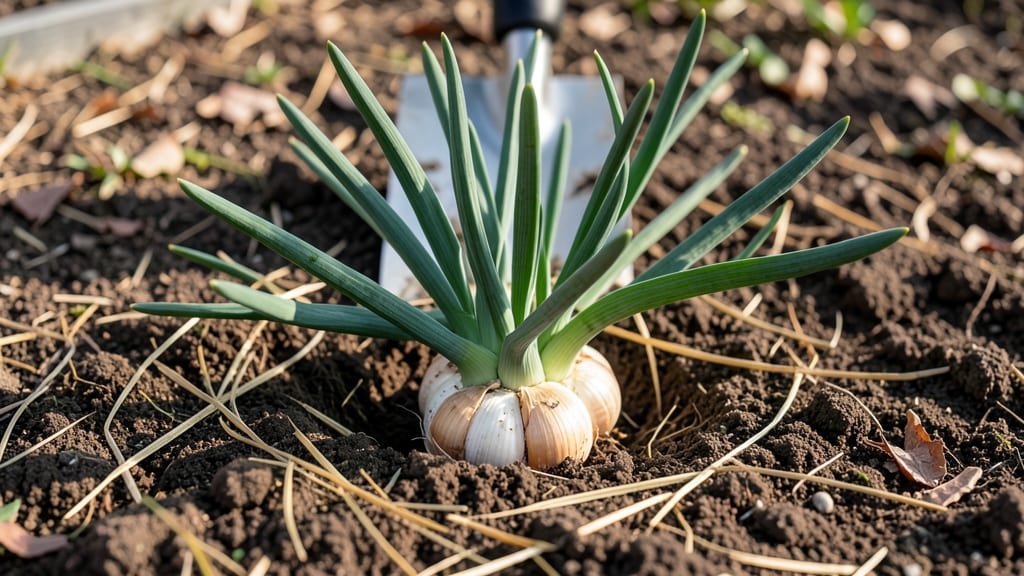
Timing is everything when it comes to growing 🧄 garlic in Michigan, and planting it at the wrong time could mean the difference between a thriving harvest and wasted effort.
If you're wondering when to plant garlic in Michigan, the answer depends on whether you're going for the traditional fall planting or a less common spring approach—both have their own ideal windows and challenges.
For most Michigan gardeners in zones 5b-6b, the best time to plant garlic is between October and November, giving the cloves time to establish roots before winter sets in. This method ensures hardneck varieties—like the popular ‘Music’ or ‘German White’—develop strong bulbs by next summer.
But if you miss that window, don’t panic: spring planting in March or early April can still work with the right adjustments.
What makes Michigan’s climate tricky is the unpredictable frost dates, which can vary from mid-October to mid-April depending on your location. Whether you're in Detroit or the Upper Peninsula, knowing how to protect your garlic from harsh winters—and when to adjust your planting schedule—is key to success.
Let’s break down the best strategies for both fall and spring planting to help you grow the biggest, healthiest bulbs possible.
From soil prep to frost protection, I’ll cover everything you need to know to avoid common mistakes and maximize your harvest.
Whether you're a seasoned gardener or just starting out, these tips will help you plant garlic at the perfect time for Michigan’s climate—and enjoy a bountiful crop come July or August.
Optimal fall planting dates for hardneck garlic in Michigan
Michigan’s cool, short growing season makes fall planting the gold standard for hardneck garlic—the variety best suited for our climate. The key is planting when soil temps drop to 32-40°F but before the ground freezes solid, giving roots time to establish before winter dormancy.
For most of USDA Zones 5b-6b, this window is late September to mid-November, with northern Michigan leaning toward the earlier end and southern Michigan stretching closer to November.
In northern Michigan (Zone 5b), aim for late September to early October—think Labor Day weekend as your cutoff. The soil needs to be cool but workable, not muddy. In southern Michigan (Zone 6b), you’ve got a bit more flexibility, with mid-October to mid-November being ideal.
The goal is to plant 4-6 weeks before the first hard frost, which typically hits mid-October in the north and late October in the south.
Why this timing? Garlic cloves need 6-8 weeks of cold exposure (a process called vernalization) to form bulbs properly.
Planting too early means cloves may sprout and get damaged by summer heat, while planting too late risks frozen soil that prevents root growth. Hardneck varieties like 'Music' or 'German White' thrive in Michigan’s climate, producing scape stalks (those curly shoots) that you can snip for early-season greens.
Pro tip: Check your local frost dates using the Michigan State University Extension’s frost calendar. For example, in Traverse City (Zone 5b), the average first frost is October 10, so plant by September 15 to be safe.
In Detroit (Zone 6b), you might push it to November 1.
🌱 Michigan Garlic Planting Timeline
| Region | Ideal Planting Window | Soil Temp Goal | Key Varieties |
|---|---|---|---|
| Northern Michigan (Zone 5b) | Late September – Early October | 32–40°F | Music, German White, Chester |
| Southern Michigan (Zone 6b) | Mid-October – Mid-November | 32–40°F | German Red, Silverskin, Rocambole |
| All Regions | 4–6 weeks before hard frost | Avoid frozen ground | Avoid softneck (store-bought) |
💡 Note: Use a soil thermometer to confirm temps—cool but unfrozen soil is critical!
If you’re planting in late fall (November), focus on southern Michigan where milder microclimates exist. For example, Ann Arbor or Kalamazoo might handle November plantings, but Marquette or Sault Ste.
Marie will likely see frozen ground too early. Always test soil moisture too—dry soil in winter can stress cloves, while waterlogged soil causes rot.
For container gardening in Michigan, fall planting still follows the same rules, but use larger pots (12+ inches deep) to accommodate root growth. Place containers in protected spots (e.g., against a south-facing wall) to shield from winter winds.
Mulch heavily with straw or leaves (4–6 inches) to insulate roots during temperature swings.
One common mistake? Planting softneck garlic (like what you’d buy at the grocery store) in Michigan. These varieties are bred for longer growing seasons and often bolt (flower prematurely) in our climate. Stick to hardneck types, which handle Michigan’s shorter summers and cold winters like a champ.
Ready to plant? Grab your garlic cloves, break apart the bulb (but don’t peel the papery skins), and get them into the ground before the first hard frost. Your July harvest will thank you!
Spring planting garlic in Michigan: a risky alternative with key adjustments
Planting garlic in spring is possible in Michigan, but it requires careful timing and adjustments to compensate for the state’s short growing season. Unlike fall planting, spring garlic needs extra attention to soil prep and variety selection to avoid poor yields or no harvest at all.
Most Michigan gardeners focus on fall planting because it aligns with garlic’s natural growth cycle—planting in autumn allows bulbs to establish roots before winter dormancy. However, if you missed the fall window or want a second chance, spring planting can still work with the right approach.
For spring planting, aim for late February to early March in southern Michigan (USDA zones 6a-6b). In northern regions (zones 5a-5b), wait until mid-March to early April to avoid early frost damage. Soil temperatures should ideally reach 40-50°F for successful germination.
Here’s the critical catch: spring-planted garlic in Michigan often produces smaller bulbs or may not mature fully before the next winter. The key is to choose softneck varieties like ‘Silverskin’ or ‘Artichoke,’ which tolerate warmer soils better than hardneck types.
Hardnecks (like ‘German Red’ or ‘Music’) struggle in spring plantings and rarely form proper bulbs.
⚠️ Spring Planting Warning
Mistake #1: Planting too early when soil is still cold or frozen. Result: Rot or delayed germination.
Mistake #2: Using hardneck varieties. Result: Poor bulb formation or no harvest.
Mistake #3: Skipping soil amendments. Result: Nutrient-deficient growth.
If you proceed with spring planting, prepare the soil 2-3 weeks ahead by amending it with compost or well-rotted manure to boost fertility. Plant cloves 2 inches deep and 4-6 inches apart, with the pointed end facing upward.
After planting, mulch heavily with straw or leaves to retain moisture and regulate soil temperature.
Monitor your garlic closely for signs of bolting (premature flowering), which is common in spring plantings. Bolting steals energy from bulb development, reducing yields. If you notice flower stalks emerging, snip them off immediately to redirect the plant’s energy to bulb growth.
Harvest spring-planted garlic late July to early August, but expect smaller bulbs than fall-planted varieties. Store them in a cool, dry place with good airflow to extend their shelf life.
For best results, prioritize fall planting—but if spring is your only option, treat it as an experiment and adjust next year based on outcomes.