
Companion Plants
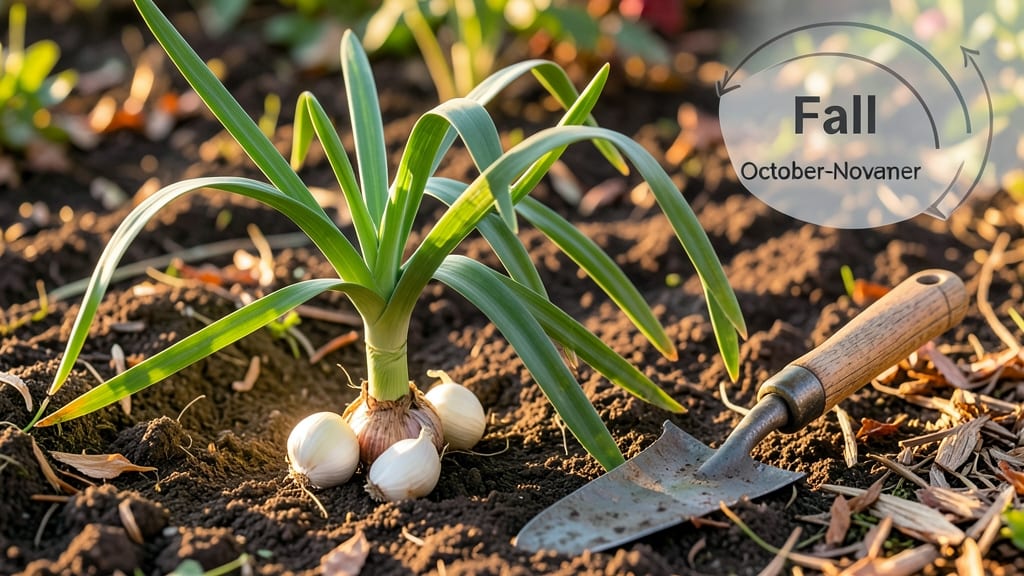
If you're wondering "when should I plant garlic in Zone 7", timing isn't just important—it's the secret weapon behind those plump, flavorful bulbs you've been dreaming of. 🧄 The difference between a mediocre harvest and a bountiful one often comes down to those 4-6 weeks before your first frost, when the soil cools but doesn't freeze solid.
Here's the truth: Planting garlic in Zone 7 isn't a one-size-fits-all scenario. Whether you're in 7a or 7b, your exact planting window shifts based on microclimates and soil conditions.
Too early, and your cloves might rot; too late, and you'll miss the sweet spot for root development. I'll show you exactly which weeks work best for your specific sub-zone.
Beyond just dates, we'll cover the soil temperature sweet spot—because garlic roots need that 60°F-70°F range to establish properly. You'll also learn how to prep your soil like a pro, from drainage tricks to the right amendments that make all the difference in bulb size.
Let's get your garlic off to the strongest possible start.
Ready to transform your garden? By the end, you'll know not just when to plant, but how to set up your garlic for a harvest that'll make your neighbors jealous. The best time to plant is coming up—let's make sure you're ready for it.
Optimal planting windows for garlic in Zone 7 (with exact dates)
If you're growing garlic in Zone 7, timing your planting is critical for large, flavorful bulbs. The best windows are late fall (October-November) or early spring (February-March). Fall planting gives garlic time to establish roots before winter, while spring planting works if you missed the fall window.
For Zone 7a (colder end), aim for planting 4-6 weeks before the first frost—typically mid-October to early November. In Zone 7b (warmer), you can extend planting until late November since frost arrives slightly later.
Spring planting should happen 4-6 weeks before your last frost date (usually late February to early March in Zone 7). Spring garlic may produce smaller bulbs but is a great backup if fall planting was missed.
Pro tip: Use a soil thermometer to check temperatures—garlic roots thrive in 60°F-70°F soil. If temperatures drop below 50°F, cover plants with straw mulch to protect them.
Garlic planted in late fall (November) may not have enough time to establish roots before winter, leading to smaller bulbs. If you plant in December or later, consider using row covers to protect young plants from harsh winter conditions.
For spring planting, avoid waiting until April—this delays bulb formation and reduces yield. Instead, plant in February or early March to maximize growth before summer heat arrives.
Remember: Garlic needs 6-8 months of cool weather to form bulbs. Planting too late in fall or too early in spring disrupts this cycle, resulting in poor harvests. Use a frost calendar for your specific Zone 7 location to fine-tune timing.
Once planted, mulch with 2-3 inches of straw to insulate roots and retain moisture. This is especially important in Zone 7 winters, where temperatures can fluctuate wildly.
Optimal planting windows for garlic in Zone 7 (with exact dates)
Zone 7 gardeners have two prime opportunities to plant garlic—fall and early spring—but the fall window consistently delivers the largest bulbs. The key is planting 4-6 weeks before your first frost, which in Zone 7 typically lands between mid-October and early November.
This timing lets garlic establish roots before winter dormancy, giving it a head start for next summer's harvest.
For Zone 7a (colder microclimates), aim for late October planting, while Zone 7b (warmer areas) can extend until early November. The goal is to have cloves sprout but not send up shoots before the ground freezes.
If planted too early, cloves may rot in warm soil; too late, and roots won't develop properly before winter.
Spring planting is a backup option but yields smaller bulbs. Plant mid-February to early March in Zone 7, ensuring soil temperatures stay above 50°F for consistent germination. Spring-planted garlic often matures faster but lacks the size of fall-planted varieties.
| Planting Season | Ideal Planting Window | Soil Temp Requirement | Bulb Size Result |
|---|---|---|---|
| Fall | Mid-October to Early November | 50°F-60°F | Large (2-3" diameter) |
| Spring | Mid-February to Early March | 50°F+ (consistent) | Small (1-2" diameter) |
Pro tip: Use a soil thermometer to verify temperatures. Garlic cloves need 40-60°F soil to sprout without rotting. If your soil runs warmer (common in urban areas), plant hardneck varieties like 'Music' or 'German White', which tolerate heat better than softnecks.
After planting, mulch with 4-6 inches of straw to insulate roots through winter. This protects cloves from freeze-thaw cycles and keeps soil moisture stable. Remove mulch in early spring to prevent rot as temperatures rise.
Remember: The earlier you plant in fall, the larger your bulbs will grow. But don't rush—wait until soil cools to 60°F or below to prevent clove rot. Mark your calendar now for October 15-31 (Zone 7a) or November 1-15 (Zone 7b) to maximize your harvest potential.