
Companion Plants
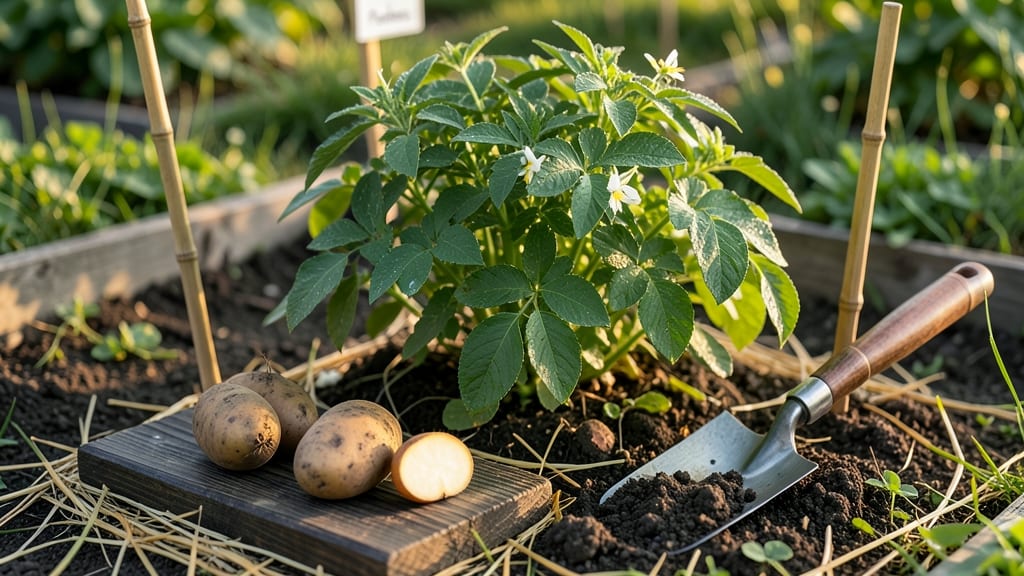
When should I plant potatoes in Michigan? Timing your 🥔 potato planting in Michigan isn’t just about the calendar—it’s about outsmarting frost, soil temperature, and Michigan’s famously fickle spring weather. Plant too early, and a late frost will turn your tender sprouts into sad, blackened stubs. Plant too late, and you might miss the 90-day window needed for a full harvest before blight strikes.
Most gardeners in Zone 5b-6b wait until mid-April to early May, but the real secret lies in soil temperature—not just air temperature. When the ground warms to 45–55°F, your seed potatoes will finally sprout without risking frost damage. That’s when you’ll know it’s time to dig in.
This guide cuts through the guesswork with exact planting windows for Michigan’s most popular varieties, plus pro tips to protect your crop from unexpected cold snaps.
Whether you’re a first-time gardener or a seasoned grower, these strategies will help you avoid the three biggest mistakes that ruin potato harvests in the Great Lakes region.
Ready to grow crisp, homegrown potatoes? Let’s dive into the perfect timing—and how to keep your crop thriving until harvest. Your future mashed potatoes (or fries) will thank you!
Michigan potato planting calendar: exact dates by variety for Zone 5 success
Michigan’s Zone 5 climate demands precision when planting potatoes—timing can mean the difference between a bumper crop and a failed harvest.
The key is planting 2-4 weeks before your last frost date, typically between March 15 and April 30, but this varies by potato variety and your specific microclimate. Early varieties like Red Norland can handle cooler soils, while late varieties like Kennebec need warmer conditions to thrive.
Your last frost date in Michigan usually falls between April 15 and May 15, but don’t rely solely on the calendar. Soil temperature matters more—potatoes sprout best when the ground reaches 45–55°F.
Use a soil thermometer to confirm readiness, especially in northern Michigan where frost lingers longer. Planting too early in cold soil can stunt growth, while waiting too long risks blight from Michigan’s humid summers.
Here’s your Michigan potato planting timeline by variety, tailored to Zone 5’s short growing season. Adjust dates based on your local frost data and soil warmth.
| Variety Type | Planting Window | Days to Maturity | Best For |
|---|---|---|---|
| Early (Red Norland, Yukon Gold) | March 15–April 1 (soil at 45°F) | 60–90 days | Cold soil, short season |
| Mid-Season (Kennebec, Russet) | April 15–May 1 (soil at 50°F) | 90–110 days | Balanced harvest timing |
| Late (Red Pontiac, Fingerling) | May 1–May 15 (soil at 55°F) | 110–130 days | Longer season, storage |
For a continuous harvest, stagger plantings every 2 weeks starting in mid-March. This ensures you’re not overwhelmed with mature potatoes all at once and maximizes your garden’s potential.
For example, plant Yukon Gold in early April for a June harvest, followed by Kennebec in late April for a July-August harvest. This strategy works especially well in Michigan’s Zone 5b-6b, where the growing season is short but productive.
Don’t forget about fall planting if you’re eager to try it! In southern Michigan, you can plant certified seed potatoes in late August for a fall harvest before the first frost (aim for October 1–15).
Choose early-maturing varieties like Red LaSoda and use row covers to extend the season. Just be prepared to harvest quickly before hard frosts hit in October.
Michigan’s first frost typically arrives between October 15 and November 1, so plan your harvest timeline accordingly. Late varieties like Russet Burbank need to be in the ground by May 1 to mature before frost, while early varieties give you more flexibility.
Always monitor your local Michigan State University Extension frost forecasts for real-time adjustments.
One critical mistake many Michigan gardeners make is planting potatoes too deep (over 4 inches) or too shallow (under 3 inches). Aim for 3–4 inches deep with 12-inch spacing between plants and 30-inch rows.
This spacing prevents disease spread and makes harvesting easier. In Michigan’s dense clay soils, consider adding compost or sand to improve drainage before planting.
Finally, chit your seed potatoes (sprout them indoors) 4–6 weeks before planting to give them a head start. Place them in a bright, cool spot (around 50°F) with the cut side up.
This ensures your potatoes emerge faster in Michigan’s cool springs, giving you a jump on the growing season. Just avoid chitting too early—you don’t want sprouts that are too long when you plant them.
With these Michigan-specific planting windows and variety recommendations, you’ll avoid the common pitfalls of frost damage and blight. Next, we’ll cover how to adapt your planting schedule when Michigan’s weather throws curveballs—like unexpected late frosts or false springs. Stay tuned for Pro Tips to keep your potato patch thriving! 🥔
How to time potato planting for Michigan’s unpredictable weather: pro tips
Michigan’s variable spring weather can make potato planting feel like a high-stakes game of chance. But with the right strategies, you can outsmart frost and false springs. The key is adapting to conditions rather than following a rigid calendar.
I’ve learned to watch for soil warmth and use protective covers to extend the growing season—here’s how.
First, test your soil temperature before planting. Potatoes need soil that’s at least 45°F (7°C), but ideal planting occurs when it reaches 55°F (13°C). Use a soil thermometer to check—this is far more reliable than guessing by date.
In southern Michigan, this often happens by mid-April, while northern regions may wait until early May.
Michigan’s unpredictable warm spells can trick you into planting too early. If frost warnings appear after you’ve planted, cover seedlings immediately with frost blankets or row covers. Even a light frost can kill tender sprouts, setting back your harvest by weeks.
Pro Tip: Plant early varieties like Yukon Gold first—they mature faster and can tolerate cooler soils better than late-season types like Kennebec.
For extended harvests, try succession planting. Start with early varieties in late March, then plant mid-season potatoes 2-3 weeks later. This spreads out your harvest and reduces the risk of losing everything to late blight or early frost.
Just remember: never plant after May 15—your potatoes won’t have enough time to mature before Michigan’s first frost in October.
Another trick I swear by is chitting potatoes indoors 4-6 weeks before planting. Place seed potatoes in a bright, cool spot (like a sunny windowsill) and watch for sprouts 1-2 inches long.
Plant them with the sprouts facing up—this gives you a 2-week head start on growth. Just avoid letting the sprouts grow too long, or they’ll be weak and leggy when planted.
If you’re worried about late-season blight, choose resistant varieties like Red LaSoda or Pontiac. These hold up better in Michigan’s humid summers. Also, rotate planting locations every year to prevent soil-borne diseases from building up.
Finally, keep an eye on your plants’ growth stage. If your potatoes start flowering in late July, they’re on track for harvest by early September.
But if your plants look stunted or yellow, they might need more phosphorus-rich fertilizer or better drainage. Adjust as needed to maximize your yield before frost hits.